

New Research Highlights Link Between Atopic Diseases and Surgical Complications
Recent studies have revealed a significant connection between atopic diseases and increased risks of complications following certain surgical procedures. These findings, presented at the annual meeting of the American College of Allergy, Asthma & Immunology, highlight the importance of considering patients’ allergic conditions when planning reconstructive and bone grafting surgeries.
Implant-Based Reconstruction and Atopic Skin Conditions
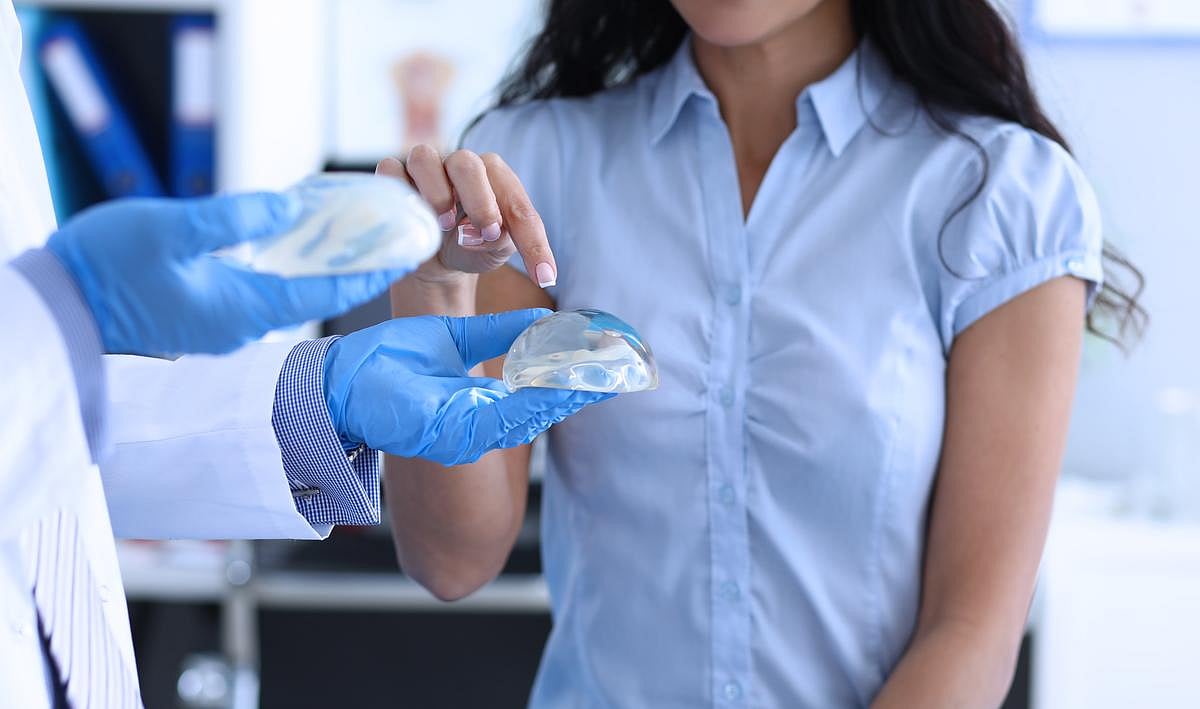
Philong Nguyen from the University of Texas Medical Branch in Galveston, along with a team of researchers, investigated the relationship between atopic skin conditions and implant-related complications among female breast cancer patients who underwent implant-based reconstruction. The study analyzed data from 2002 to 2022, comparing 10,205 patients with atopic skin conditions to an equal number without such conditions after propensity score-matching.
The results showed that patients with atopic conditions faced significantly higher risks for various complications. Specifically, they had a 20% increased risk of implant complications, a 20% higher chance of capsular contracture at two and three years, and a 10% greater likelihood of requiring revision surgeries at all time points.
Impact of Atopic Diseases on Bone Grafting Procedures
Another study led by Joshua Wang from the same institution focused on the effects of atopic diseases on bone grafting outcomes. The research team conducted a retrospective cohort study involving 19,334 patients with atopic diseases and an equal number without such conditions, after matching for propensity scores.
Patients with atopic diseases were found to have a 19% higher risk of infection or wound complications, a 29% increased chance of osteomyelitis, and a 22% greater likelihood of hardware removal within 90 days. The elevated risks persisted over a two-year follow-up period, with higher chances of infection or wound complications (20%), osteomyelitis (20%), hardware removal (21%), mechanical loosening (35%), and revision surgery (16%).
Implications for Patient Care
“These results suggest that allergic conditions can affect the body’s ability to heal after surgery — not just in the skin, but in the bones as well,” said Wang in a statement.
This research underscores the need for healthcare providers to be aware of patients’ atopic histories when recommending and performing surgical procedures. Understanding these risks can help in developing more personalized treatment plans and improving patient outcomes.
Key Findings Summary
- Implant-Based Reconstruction:
- Increased risk of implant complications (risk ratio 1.2)
- Higher likelihood of capsular contracture at 2 and 3 years (risk ratio 1.2)
-
Greater chance of revision surgeries at all time points (risk ratio 1.1)
-
Bone Grafting Procedures:
- Elevated risk of infection or wound complications (hazard ratio 1.19)
- Increased chance of osteomyelitis (hazard ratio 1.29)
- Higher probability of hardware removal at 90 days (hazard ratio 1.22)
- Persistent risks over two years including infection (hazard ratio 1.20), osteomyelitis (hazard ratio 1.20), hardware removal (hazard ratio 1.21), mechanical loosening (hazard ratio 1.35), and revision surgery (hazard ratio 1.16)
These findings emphasize the importance of comprehensive patient evaluation and the potential benefits of integrating allergy management into pre- and post-surgical care plans. As more research emerges, the medical community will continue to refine strategies to mitigate these risks and enhance recovery outcomes for patients with atopic conditions.