
The Need for Implementation Over Negotiation
The African Continental Free Trade Area (AfCFTA) is a significant initiative aimed at creating a single market across the continent. However, trade bodies emphasize that it’s time for Africa to move from negotiations to actual implementation of this ambitious pact. Despite its formal launch on May 30, 2019, challenges such as tariff and non-tariff barriers continue to hinder trade within the region.
Approximately 90% of tradable goods in Africa still face tariff challenges. This issue is compounded by infrastructure deficiencies, inadequate transportation networks, and underdeveloped border facilities. These factors are further slowing down the full realization of AfCFTA’s potential. According to the East African Business Council (EABC), there is a stalemate in several key sectors including textiles and apparel, sugar and sugar products, goods produced in Special Economic Zones (SEZs), edible oils, and motor vehicles.
Simon Kaheru, EABC Vice Chairperson (Uganda), emphasized the importance of collaboration between the private and public sectors in ensuring the success of AfCFTA. He stated, “We are equal partners in ensuring the integration of Africa for increased trade and prosperity is a success.” Kaheru highlighted the critical role of the private sector in making the aspirations of AfCFTA a reality, while also acknowledging the public sector’s focus on job creation and wealth generation for Africa’s youth population.
AfCFTA Secretary General Wamkele Mene has stressed the urgent need to shift from negotiations to implementation, stating that the AfCFTA is Africa’s response to current geopolitical challenges through industrial development. His message underscores the importance of ensuring that no country is left behind in this process.
Pilot Phase and Key Players
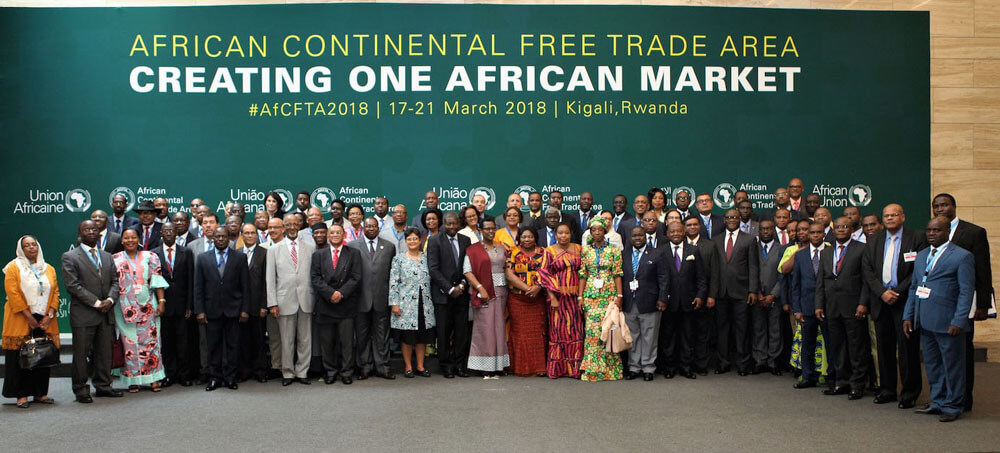
Kenya, along with Ghana, Cameroon, Egypt, Rwanda, and Tanzania, was selected to lead the AfCFTA in the pilot phase. Ghana and Kenya were the first to ratify the AfCFTA and deposit instruments of ratification with the AU Commission after the agreement was adopted by the AU Extra-Ordinary Summit on March 21, 2018 in Kigali, Rwanda.
Although the start of trading under the AfCFTA agreement began in 2021, no official trade has taken place under the regime, according to the AfCFTA secretariat, except for goods moved during the trial phase.
Kenya’s Strategic Approach
Kenya has identified 14 merchandise and service sectors for a start, prioritizing sectors in merchandise trade such as agriculture, livestock and fisheries, manufacturing, handicrafts, mining, oil and gas. Priority export sectors under services trade include business, professional services, tourism, education, health, financial services, ICT, cultural and sports services; and transport and logistics.
The country aims to use the AfCFTA agreement to expand its exports and industrialization, with ongoing initiatives like the Guided Trade Initiative (GTI) and partnerships to digitize trade. Kenya is also banking on the pact to open up opportunities for Micro, Small, and Medium Enterprises (MSMEs).
Kenya is part of the GTI, a pilot program that allows for the trial trading of goods under the AfCFTA. Recent trading activities include exports to Ghana and a new partnership with Ethiopia for reciprocal trade under the AfCFTA.
Commitment to AfCFTA Benefits
The Kenyan government has committed to harnessing the benefits of AfCFTA, which represents one of the most ambitious trade pacts creating an integrated market of over 1.4 billion people, with a combined GDP exceeding $3.4 trillion (Sh439.3 trillion).
During a National Assembly Engagement Workshop on AfCFTA Phase II Protocols, Trade PS Regina Ombam emphasized the importance of regional and continental integration in achieving Kenya’s national development aspirations. She reaffirmed the country’s readiness to translate AfCFTA commitments into tangible benefits for Kenyan businesses and citizens.
Challenges and Opportunities Ahead
Despite these efforts, the path to full implementation of AfCFTA remains complex. Addressing the existing challenges, such as infrastructure gaps and regulatory hurdles, will be crucial for the success of the initiative. The collaboration between governments, private sector stakeholders, and international partners will play a vital role in overcoming these obstacles.
As the AfCFTA continues to evolve, it holds the promise of transforming Africa’s economic landscape, fostering greater regional integration, and unlocking new opportunities for growth and development across the continent. The focus now must be on turning these promises into reality through sustained effort and collective action.