
The Bank of England’s Decision to Maintain Interest Rates
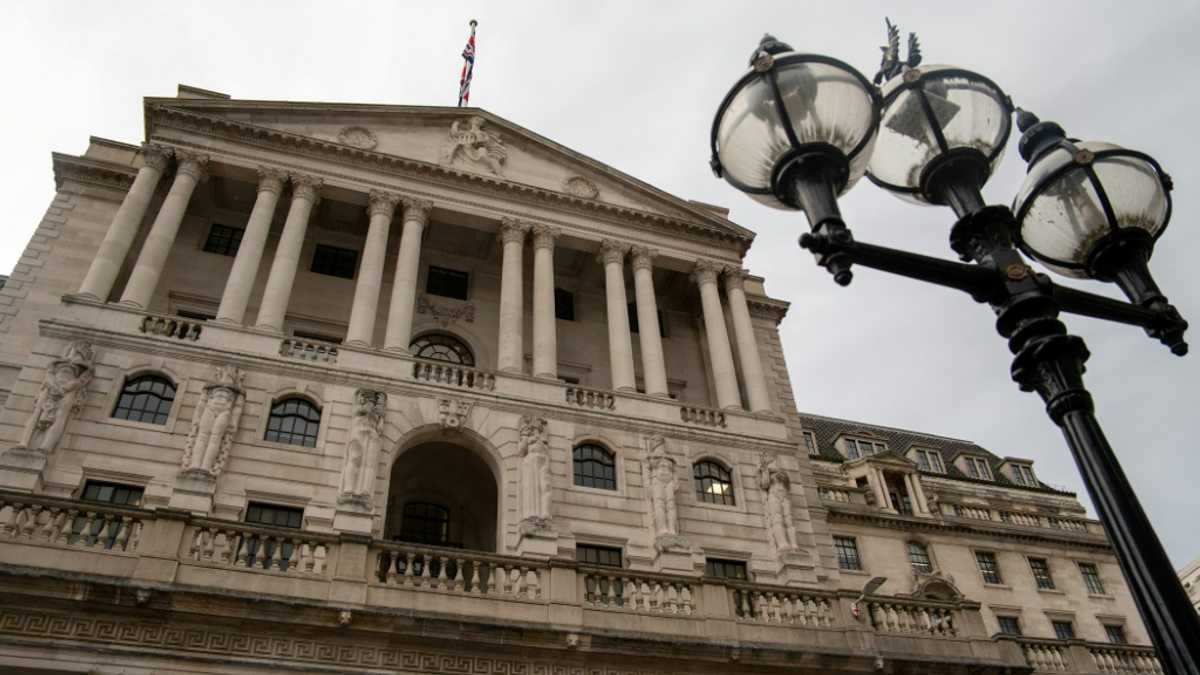
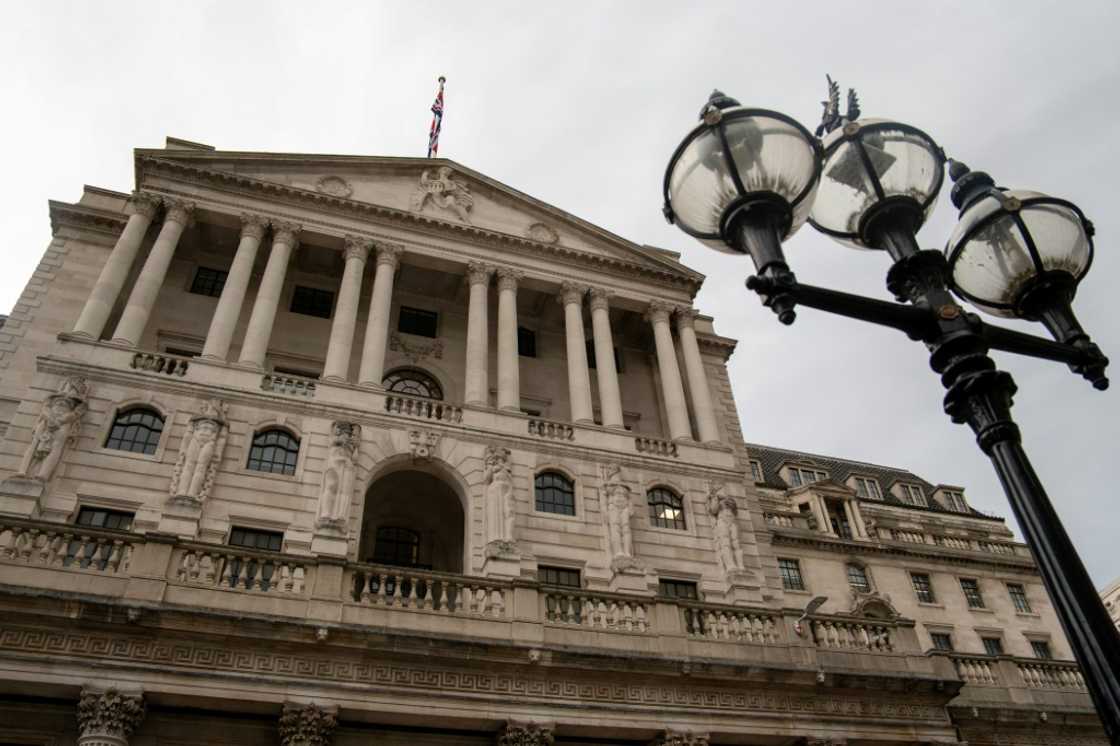
On Thursday, the Bank of England (BoE) decided to keep its key interest rate at 4.0 percent, choosing not to implement a cut before the UK government’s annual budget. This decision comes as the country prepares for significant tax increases in the upcoming budget.
In a statement following the decision, BoE governor Andrew Bailey emphasized that while rates are expected to gradually decrease, the central bank must ensure that inflation is on track to return to its two-percent target before considering further reductions. “We still think rates are on a gradual path downwards, but we need to be sure that inflation is on track to return to our two-percent target before we cut them again,” Bailey stated.
The decision was made by a narrow margin, with policymakers including Bailey voting 5-4 to maintain the current rate. Four members of the Monetary Policy Committee (MPC) had advocated for a reduction to 3.75 percent. Despite this, the majority opted to keep rates steady.
Economic Context and Implications
Although the UK’s annual inflation rate stands at 3.8 percent, the country’s economic growth has stagnated. A reduction in interest rates could have provided some relief to Prime Minister Keir Starmer’s Labour government, especially after finance minister Rachel Reeves indicated support for controversial tax hikes in her November 26 budget.
Reeves, the chancellor of the exchequer, warned of “necessary choices” as Britain grapples with high debt and inflation. She emphasized that her decisions on both taxation and spending would prioritize protecting families from the impacts of high inflation and interest rates. “As I take my decisions on both tax and spend, I will do what is necessary to protect families from high inflation and interest rates,” she said in a speech.
Retail banks in the UK typically pass on BoE rate cuts to their customers, which can help reduce the cost of mortgages and business loans. However, the current decision to maintain rates means these benefits will not be realized immediately.
Uncertain Outlook and Future Considerations
The BoE last reduced its key rate in August, driven by concerns over the impact of US tariffs on the UK economy. This marked the fifth reduction since the central bank initiated a trimming cycle in August 2024, just one month after Labour won a general election.
Recent BoE minutes from the latest meeting did not provide strong indications that rates would be cut at the next gathering in December. According to Paul Dales, chief UK economist at Capital Economics, much will depend on the content of the upcoming budget and the economic data released between now and the next meeting. “Much will depend on what is in the budget and also whether… (UK economic) releases between now and that meeting give the MPC more confidence that inflation is falling as it expects,” he added.
Reeves has not ruled out potential increases in income and value-added taxes, with speculation that at least one of these taxes could rise in the budget to fund investments in public services. In her inaugural budget last year, she introduced a tax on businesses, a move that has been linked to the UK’s weak economic growth.
Economic Performance and Challenges
The UK’s gross domestic product (GDP) grew by only 0.3 percent in the second quarter, following a 0.7-percent expansion in the first three months of this year. This slowdown highlights the ongoing challenges facing the UK economy as it navigates high inflation, rising debt, and the implications of recent policy decisions.
With the upcoming budget set to include significant changes, the BoE and the government will need to carefully balance economic stability with the need for fiscal responsibility. The decisions made in the coming months will play a crucial role in shaping the UK’s economic future.