
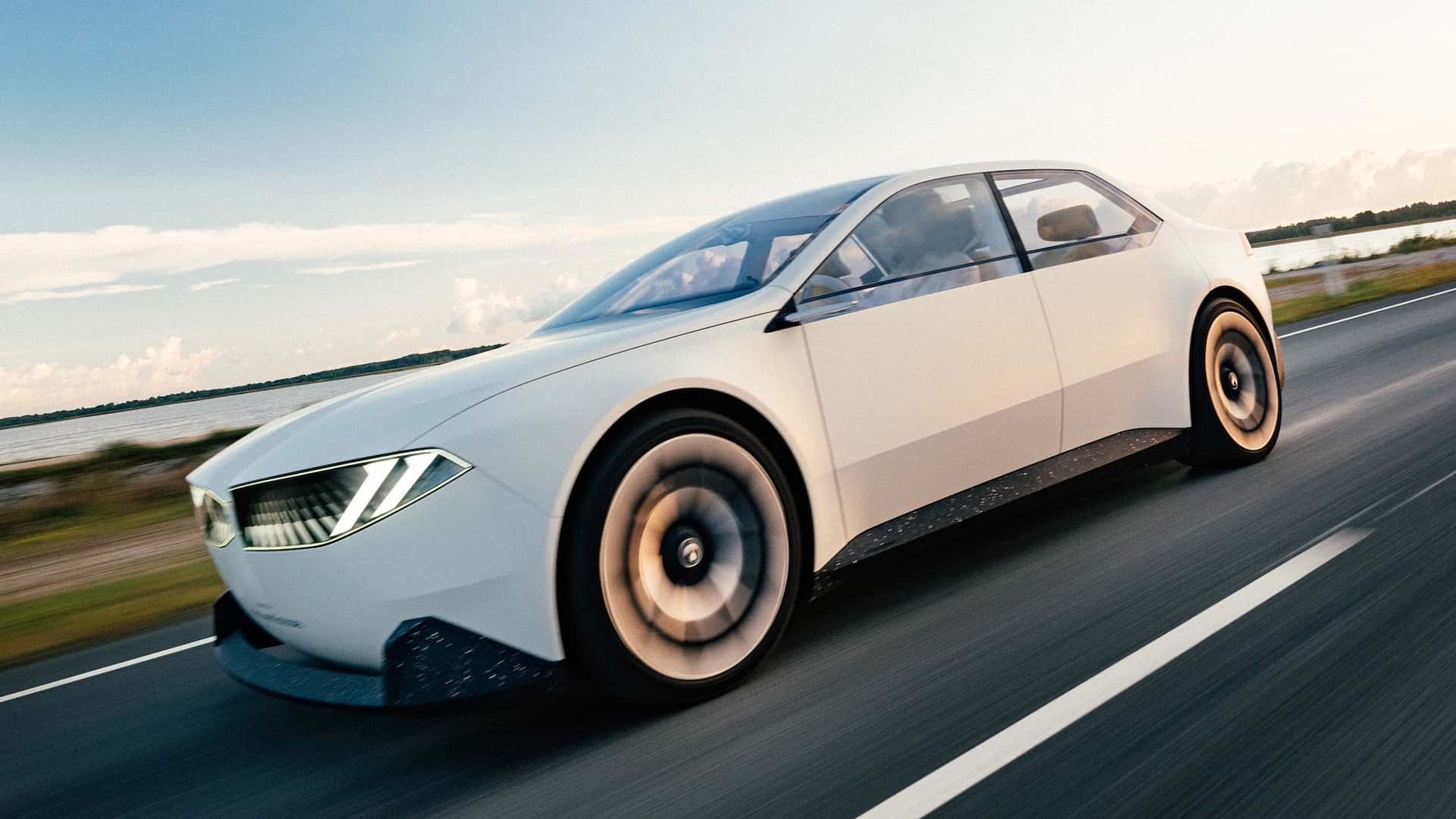
A New Era for BMW: The 3 Series Leaves Its Home
For the past 50 years, the BMW 3 Series has been a symbol of German engineering and performance, produced exclusively at the company’s main plant in Munich, Germany. This long-standing tradition is set to change in 2026 when the all-new BMW i3 electric sedan will take over the historic production site. This shift marks a significant turning point for the brand, signaling its commitment to electric vehicles (EVs) and the future of mobility.
The i3, based on the Neue Klasse architecture, will be built in Munich starting in the second half of next year. This is a major departure from the past, as the 3 Series sedan has been the heart of BMW’s production since its introduction in 1975. The decision to move the i3 to this iconic location highlights the importance of the model in the brand’s lineup.
The Future of the 3 Series
While the gas-powered 3 Series will no longer be built in Munich, it won’t be completely phased out. Rumors suggest that the next-generation 3 Series may be assembled at BMW’s largest European plant in Dingolfing. This facility, which produced nearly 300,000 vehicles in 2024 alone, is responsible for several other models, including the iX, 7 Series, and 8 Series. This move could help maintain the production of the 3 Series while allowing the i3 to take center stage in Munich.
The i3, which began as a quirky city hatchback, is evolving into a full-fledged electric sedan that aims to compete directly with the 3 Series. However, it should be noted that the current-gen i3 sedan is only sold in China, and the new i3 will not share the same underpinnings as the existing model. The i3 will be built on the EV-only Neue Klasse platform, while the eighth-generation 3 Series will continue to use the CLAR platform, which supports both combustion and electric powertrains.
The iX3: A Step Forward for BMW
The iX3 crossover was the first vehicle based on the Neue Klasse architecture and marked a bold step for BMW in the EV market. It showcased the brand’s ability to compete with more progressive companies like Tesla and BYD. Equipped with advanced technology such as an 800-volt battery, bespoke cells, and silicon carbide components, the iX3 delivered impressive range, fast charging, and well-rounded driving dynamics.
With the i3 set to launch next year, expectations are high. It is anticipated that the electric sedan will offer similar performance and innovation, potentially challenging the dominance of the gas-powered 3 Series. Whether the i3 can truly surpass its predecessor remains to be seen, but one thing is certain—BMW is fully committed to the electric future.
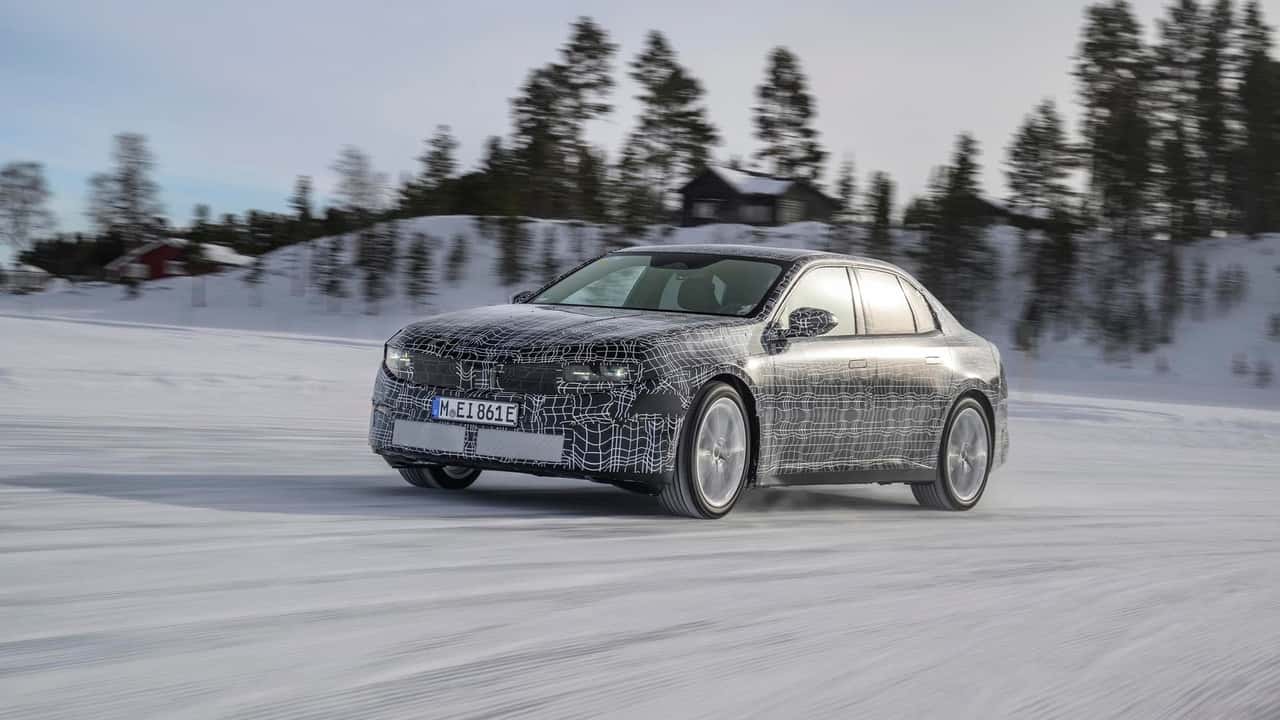
Looking Ahead
As BMW continues to expand its electric vehicle portfolio, the transition from the 3 Series to the i3 represents a strategic shift. The brand is not only embracing electric mobility but also redefining its manufacturing processes. With the iX3 already making waves and the i3 set to follow, BMW is positioning itself as a leader in the evolving automotive landscape.
The upcoming changes highlight the company’s vision for the future, where electric vehicles play a central role. As the industry moves toward sustainability, BMW’s decisions reflect a broader trend among automakers to adapt and innovate. The journey from the 3 Series to the i3 is just the beginning of what promises to be an exciting chapter for the brand.