
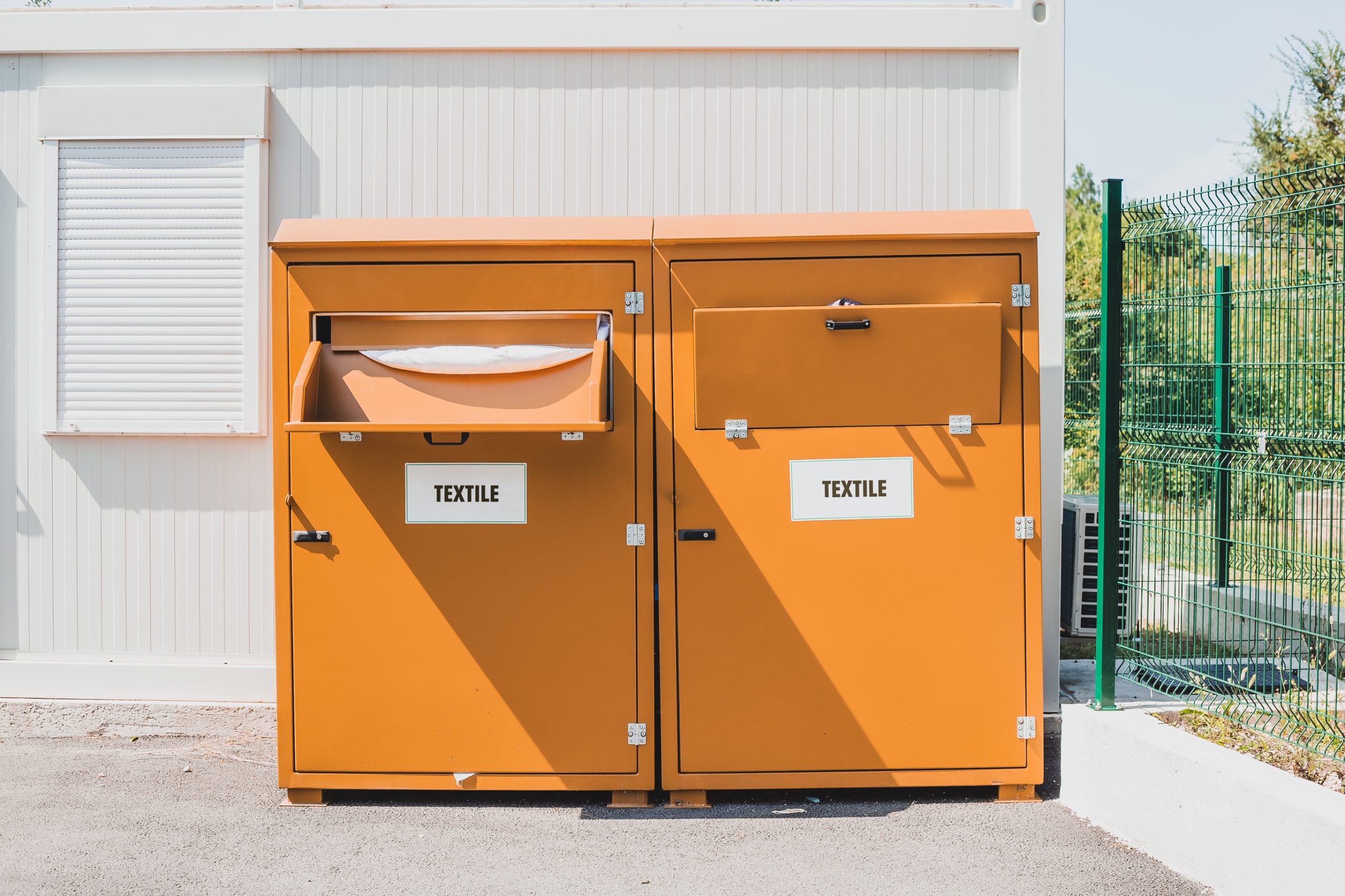
Progress in Textile Waste Management
Romania has made significant strides in managing textile waste over the past decade. According to data analyzed by Clean Recycle, the country’s separate collection of textile waste increased from 48 tons in 2010 to 2,774 tons in 2022. This growth highlights a positive shift in waste management practices. However, despite this progress, Romania still collects only about 15% of the approximately 250,000 tons of textile waste it generates annually.
Mandatory Collection Begins in 2025
Starting January 1, 2025, separate textile collection became mandatory in Romania, aligning with EU regulations. This means that local authorities are now responsible for providing the necessary infrastructure to support this initiative. The goal is to ensure that textile waste is properly managed and recycled, reducing environmental impact.
Authorized Facilities for Textile Processing
Currently, Romania has nine authorized facilities dedicated to textile collection and processing. These facilities are strategically located in key regions, including Vâlcea, Botoșani, Bistrița-Năsăud, Mureș, Bacău, Bihor, and Galați. These centers play a crucial role in transforming textile waste into useful materials such as yarn, fabric pieces, or components for energy recovery. This process not only helps reduce environmental harm but also creates new resources, contributing to a more sustainable economy.
Environmental Impact of Textile Waste
Textile waste poses a long-term environmental threat. Materials like polyester can take over 200 years to decompose, and during this time, they release harmful microfibers into the environment. These microfibers can contaminate water sources and affect ecosystems. The Clean Recycle analysis emphasizes the importance of addressing this issue through proper recycling and waste management practices.
Expert Insights on Recycling Efforts
Cosmin Monda, Founder and CEO of Clean Recycle, highlighted the need for continued efforts in textile recycling. He stated, “Romania has made visible progress in recent years, but we are only at the beginning of a complex process that requires time, investment, and collaboration between authorities, operators, and the population. For textile recycling to become a reality, we need dedicated infrastructure, ongoing information campaigns, and the involvement of every citizen. Only then can we transform separate collection from a legal obligation into a daily habit.”
Broader Implications Across Europe
The issue of textile waste is not unique to Romania. Across Europe, textile consumption contributes to CO2 emissions comparable to driving 1,800 kilometers in a gasoline car per person each year. Additionally, up to 9% of new textile products are destroyed before ever being used, highlighting the need for more sustainable production and consumption practices.
Conclusion
While Romania has made notable progress in increasing its textile waste collection, there is still much work to be done. The introduction of mandatory collection in 2025 marks an important step forward, but sustained efforts from all stakeholders will be essential to achieve meaningful results. By investing in infrastructure, raising awareness, and encouraging public participation, Romania can continue to improve its approach to textile waste management and contribute to a healthier environment.