
The Role of Local Feed Production in Uganda’s Agricultural Growth
Uganda is taking significant steps to boost its agricultural sector by focusing on the local production of feed raw materials. This initiative, led by the Presidential Advisory Committee on Exports and Industrial Development (PACEID), aims to reduce the country’s reliance on imported inputs and enhance food security.
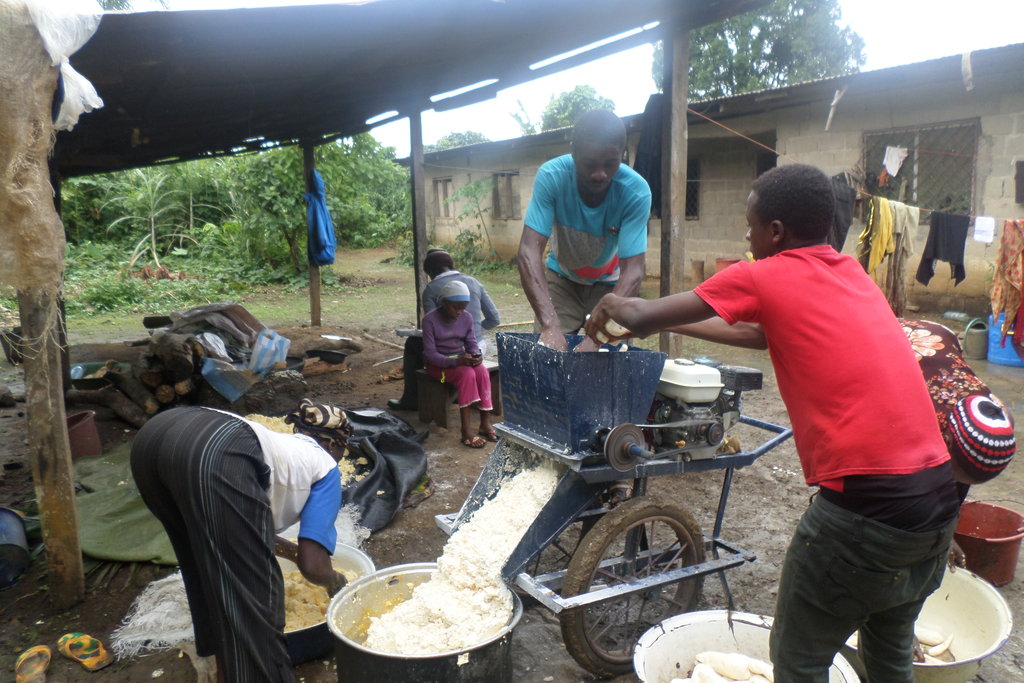
Mr. Odrek Rwabwogo, Chairman of PACEID, highlighted the importance of cultivating key crops such as soybeans, maize, and cassava. These ingredients are essential for fish feed production and play a vital role in strengthening the livelihoods of farmers across the country.
Opportunities for Farmers
During a visit to De Heus Uganda Ltd, a newly established Tilapia feed factory in Njeru Municipality, Buikwe district, Mr. Rwabwogo emphasized that localizing feed production would not only cut costs but also increase the competitiveness of Ugandan fish in regional and global markets.
“This is a huge opportunity for farmers, especially in Busoga to supply cassava and maize, while Acholi and other regions can focus on soybeans and grains,” he said.
The factory, officially commissioned by President Yoweri Kaguta Museveni on September 2, 2025, marks a milestone in Uganda’s agricultural development. It is the first of its kind in the country and represents a step towards self-sufficiency in feed production.
Building a Sustainable Feed Base
Mr. Rwabwogo pointed out that countries unable to produce animal feed cannot sustainably increase food production. He stressed that Uganda must build its own feed base to ensure long-term food security.
“If we grow enough soybeans, maize, and cassava, we can replace imports, feed our fish, and strengthen food security for our population,” he added.
Uganda’s climate, with two rainy seasons, allows for significant agricultural growth. However, Mr. Rwabwogo noted that continued reliance on grass-fed animals and wild catch limits the potential for expansion.
Potential Economic Impact
If 5 to 10 similar factories are established across the country, Uganda could produce millions of tons of fish annually, generating an additional USD 1.2 billion in foreign exchange. This potential economic boost underscores the importance of investing in feed production infrastructure.
Challenges and Future Goals
Despite the promising outlook, challenges remain. Mr. Bon Tjeenk Willink, Managing Director of De Heus Uganda Ltd, mentioned that the factory still imports some materials from Vietnam, which takes 3-4 months to arrive. As a result, the facility operates at low production levels due to a lack of raw materials for fish feed production.
“We had a dream of producing over one million tons of fish feed annually by 2035, marking a new chapter in Uganda’s aquaculture value chain; it has been widely adopted in some parts of the country,” Mr. Tjeenk said.
He cited several factors that contributed to Uganda being chosen for the establishment of the factory, including the availability of raw materials, growing demand in aquaculture, and improved farmer production.
Strategic Importance of Local Feed Production
The push for local feed production is not just about reducing costs; it is also about building a resilient agricultural sector that can support the country’s growing population. By focusing on soybeans, maize, and cassava, Uganda can create a sustainable feed base that supports both livestock and aquaculture industries.
This shift toward local production aligns with broader goals of economic independence and food security. It also provides opportunities for farmers to diversify their income streams and contribute to national development.
As the industry continues to grow, the success of initiatives like the De Heus Uganda Ltd factory will depend on continued investment, policy support, and collaboration between stakeholders.
Conclusion
The efforts by PACEID and companies like De Heus Uganda Ltd represent a critical step toward transforming Uganda’s agricultural landscape. By prioritizing the cultivation of feed raw materials, the country is laying the groundwork for a more self-reliant and competitive agricultural sector.
With strategic planning and sustained commitment, Uganda can harness its natural resources to drive economic growth and improve the lives of its citizens. The path forward involves not only increasing production but also ensuring that the benefits reach all segments of society.