
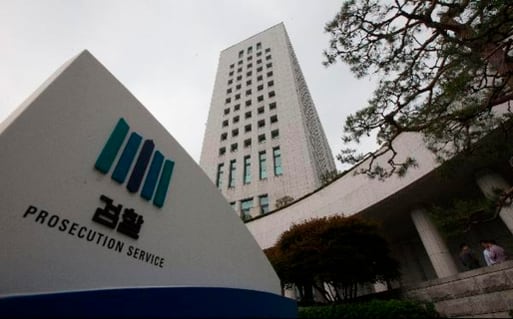
Survey on Prosecution System Reform
The Supreme Prosecutors’ Office has initiated a survey among its members to gather opinions on potential reforms to the prosecution system. This includes discussions on the abolition of the prosecutors’ office and the maintenance of the prosecution’s right to conduct supplementary investigations. The survey was conducted six days ago, with the aim of collecting insights from prosecutors and investigators.
Purpose of the Survey
The “Prosecution System Reform Task Force (TF)” sent emails to all prosecutors and investigators, seeking their views on the government’s ongoing reform plans. The TF highlighted that specific discussions are needed on whether and to what extent supplementary investigations and requests for such investigations by prosecutors are necessary. Additionally, the TF mentioned the need to address measures to control judicial police officers and personnel reallocation issues.
Questions Asked in the Survey
One of the questions in the survey asked participants, “After the establishment of the Public Prosecution Office and The serious crimes investigation agency, which institution do you hope to work for?” The options included “Public Prosecution Office,” “The serious crimes investigation agency,” “Undecided yet,” and “Irrelevant.” This marks the first time a demand assessment has been conducted for newly established institutions under the premise of abolishing the prosecutors’ office.
Another question focused on the factors necessary for moving to The serious crimes investigation agency. Options included “Payment of salary and allowances above the current level,” “Performance evaluations based on investigation results,” and “Providing welfare benefits such as official residences.” This is seen as an attempt to offer incentives, considering the strong reluctance among frontline prosecutors, some of whom have expressed concerns about losing their status as prosecutors and becoming investigators at The serious crimes investigation agency.
Key Issues Addressed
The survey also included questions about the necessity of supplementary investigations by prosecutors for cases referred by the police with prosecution recommendations. It asked whether prosecutors should have the right to request supplementary investigations from the police. Follow-up questions explored whether supplementary investigations should be limited to specific crime types or scopes and what appropriate control measures should be in place when prosecutors initiate investigations.
While Democratic Party hardliners advocate for eliminating the prosecution’s direct right to supplementary investigations to achieve a “complete separation of investigation and prosecution,” the dominant opinion within the prosecution is that the prosecution’s right to supplementary investigations should be maintained to control police investigations.
Next Steps
The Supreme Prosecutors’ Office TF plans to compile the opinions gathered from the survey and finalize its stance on prosecution reform. The task force is also considering transmitting the survey results to the Prosecution Reform Task Force under the Prime Minister’s Office. This step is expected to play a crucial role in shaping the future direction of the prosecution system.