
Global and Local Players Converge at Big 5 Construct Kenya Expo
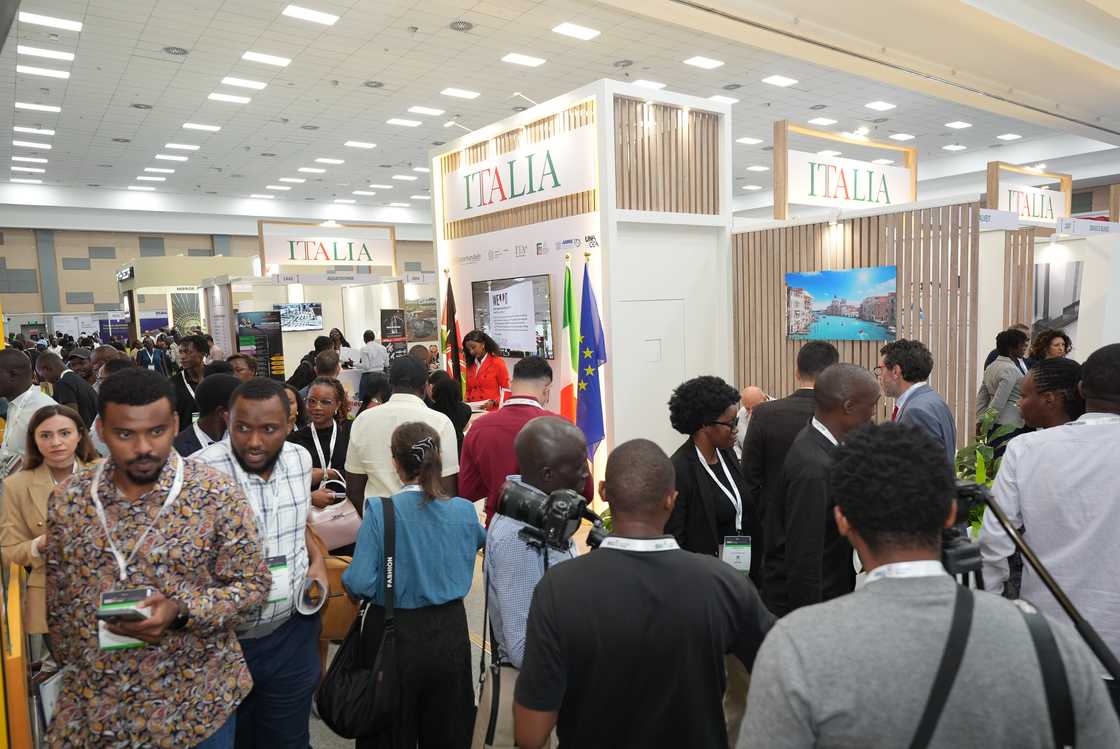
Over 150 companies from more than 20 countries showcased new technologies and materials at the 8th edition of the Big 5 Construct Kenya expo in Nairobi. The event attracted global brands such as Liebherr, Bauer, and Ejot Fixing Solutions, who presented various innovations aimed at improving the construction industry.
Kenya’s construction sector is gaining fresh international attention as global and local players come together to discuss the future of the industry.

Addressing Cost Challenges in Construction
Whitney Mugo, a Project Manager at Synergetic Development Group, emphasized the need for developers to align their projects with local realities. She highlighted the importance of better cost control, pointing to Project Management Institute (PMI) frameworks and modular construction as key tools for reducing waste and material overruns.
Mugo outlined practical ways to reduce construction costs while maintaining quality and sustainability. She pointed to PMI frameworks as essential for improving cost efficiency in affordable housing projects. According to her, rigorous cost planning, disciplined procurement, and proactive risk management can significantly curb material overruns.
“When teams follow structured estimating, cost baselines, and performance measurement, projects become more predictable and cost-effective,” she said.
Mugo also emphasized the role of technology and innovation in driving measurable savings. Approaches such as off-site prefabrication, Building Information Modelling (BIM), and digital survey tools are reducing waste, shortening construction timelines, and improving accuracy.
“These solutions help avoid rework, cut down on delays, and deliver faster at a lower cost,” she added.
Green Construction as a Smart Investment
The Project Management Institute (PMI) Kenya Chapter and the Kenya Green Building Society used the conference to emphasize the need for sustainability to be embedded at the design stage. Panellists argued that early integration of green-building principles, such as passive energy design, efficient materials, and lifecycle cost analysis, can lower long-term maintenance and energy expenses.
“Green construction is not just about compliance; it’s about smarter investment. The right design decisions upfront shift costs away from repeated maintenance to durable, efficient structures that save money over time,” Mugo noted.
Challenges Facing Kenya’s Construction Industry
Kenya’s construction industry, valued at nearly KSh 900 billion, remains one of the country’s fastest-growing sectors and a major employer. However, its progress hinges on addressing challenges like import dependency, rising material prices, and a shortage of skilled labour.
According to the 2025 Construction Costs in Kenya Handbook, the cost of building a house has increased in 2025 due to rising prices of materials, labour, and land. Building now costs between KSh 48,750 and KSh 122,860 per square metre depending on the finish.
The cost of basic homes starts from around KSh 3.5 million, and luxury houses exceed KSh 12 million. Nairobi remains the most expensive region to build in, costing up to 30% above the national average, while rural areas remain relatively cheaper, though transport costs can raise expenses.
Factors driving the surge include higher cement and steel prices, expensive finishes, and growing demand for skilled labour. Experts also recommend other cost-saving measures such as buying materials in bulk, using prefabricated or interlocking block technology, and building in phases to manage budgets effectively.