
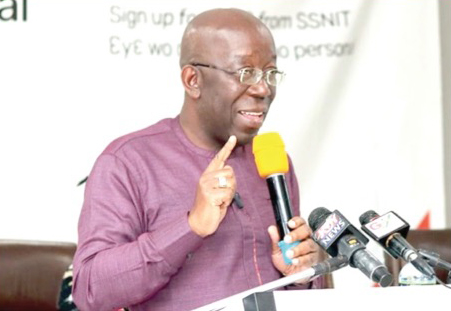
Embracing AI for a Sustainable Pension Future
Mrs. Rosemary Amerley Sackey, former Benefits General Manager at the Social Security and National Insurance Trust (SSNIT), has called for the organization to prepare for the disruptive impact of Artificial Intelligence (AI) in order to ensure the long-term viability of Ghana’s pension scheme.
At a recent symposium in Accra, she emphasized that SSNIT must anticipate and manage the effects of AI by integrating technology responsibly while protecting jobs, data, and system integrity. The event brought together contributors, pensioners, policymakers, and industry stakeholders to explore ways to improve the pension scheme and secure the future of Ghanaian workers.
Redefining Pension Administration
Mrs. Sackey highlighted that AI will significantly transform pension administration in Ghana. She urged SSNIT to leverage the potential of AI while carefully managing the associated risks. She advocated for proactive adaptation in operations, data management, and workforce development.
“We must ensure that technology strengthens, and not destabilizes, the sustainability of the pension system,” she said. This approach would help maintain the stability of the system as it evolves with technological advancements.
Enhancing Investment Strategies
In addition to technological integration, Mrs. Sackey encouraged SSNIT to explore innovative investment avenues that can deliver improved returns and maintain transparency. She stressed the importance of demonstrating value through improved returns, prudent investments, and member satisfaction.
She also emphasized the need for SSNIT to enhance public trust and brand visibility to become more accessible to all workers. By doing so, the organization can better serve its members and ensure long-term success.
Expanding Coverage and Fostering Compliance
Mrs. Sackey commended SSNIT for introducing the Self-Employed Enrolment Driven (SEED) Initiative, which aims to integrate self-employed individuals into the formal pension scheme. She called for further innovations to expand coverage and foster voluntary compliance based on trust, relevance, and value.
She also urged a renewed focus on measures that guarantee income and stimulate productivity. She praised SSNIT’s resilience and its role in Ghana’s economic development, highlighting the importance of continued efforts to support workers.
A Vision for Technological Innovation
Mr. Kwesi Afreh Biney, Director-General of SSNIT, stated that the Trust is positioning its future on technological innovation. He emphasized that AI has become a permanent fixture and must be central to the nation’s social protection strategy.
“Technology, innovation, and policy reform are essential to building a modern, inclusive, and efficient social protection system,” he said. Mr. Biney added that SSNIT will leverage digital innovations, including AI, to promote inclusive social protection.
He expressed confidence in the collective expertise of stakeholders to strengthen the scheme and urged employers to “fight” for better basic pay.
Evolution of Ghana’s Pension System
Ghana’s pension system has undergone significant reforms over the past six decades. These include the introduction of the three-tier pension scheme and SSNIT’s transformation into a modern social insurance institution.
This evolution reflects a commitment to adapting to changing economic and social landscapes. As AI and other technologies continue to shape the future, SSNIT’s ability to innovate and adapt will be crucial in ensuring the continued success of the pension scheme.
Key Takeaways
- Proactive Integration: SSNIT must embrace AI while safeguarding jobs and data.
- Investment Focus: Explore innovative investment strategies to improve returns and transparency.
- Public Trust: Enhance brand visibility and build trust among workers.
- Expanding Coverage: Innovate to include more individuals, especially the self-employed.
- Technological Leadership: Position AI as a core component of social protection strategy.
- Collaborative Efforts: Engage stakeholders and employers to support the pension system.
By adopting these strategies, SSNIT can ensure that the pension scheme remains resilient, inclusive, and effective in meeting the needs of Ghanaian workers.