
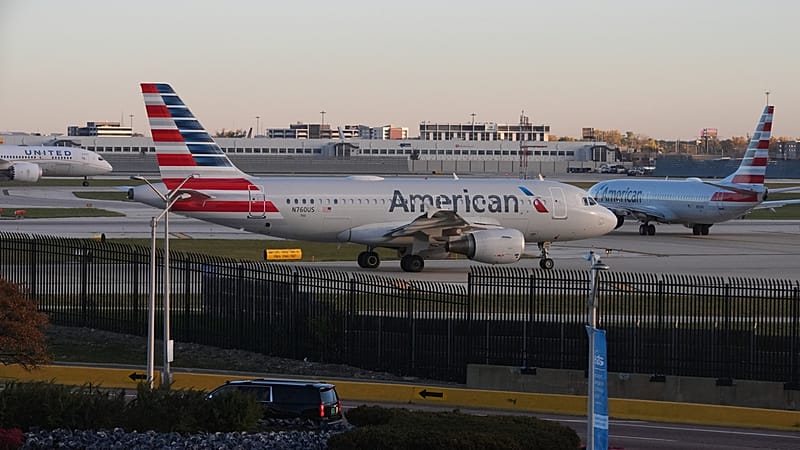
US Aviation Authorities Implement Flight Reduction Measures
In a rare move, US aviation authorities have announced that they will reduce air traffic by 10% across 40 high-volume airports starting Friday morning. This decision comes as air traffic controllers show signs of strain due to the ongoing government shutdown.
The Federal Aviation Administration (FAA) stated that this reduction will impact thousands of flights nationwide. The agency handles over 44,000 flights daily, including commercial passenger flights, cargo planes, and private aircraft. While the FAA did not immediately specify which airports or cities would be affected, it emphasized that the restrictions will remain in place as long as necessary.
Air traffic controllers have been working without pay since the shutdown began on October 1. Most have been on duty six days a week and are required to work mandatory overtime. FAA Administrator Bryan Bedford expressed concern about the situation, noting that he is not aware of any similar measures taken in his 35-year career in the aviation industry.
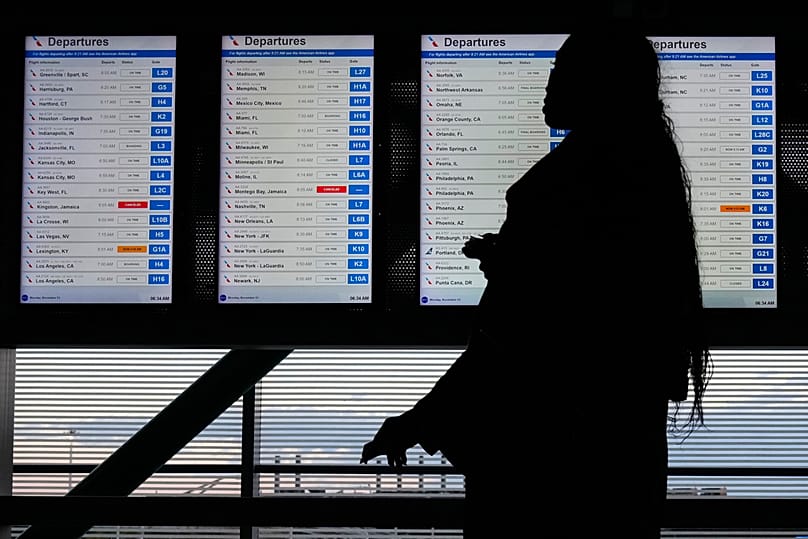
Bedford cited increased staffing pressures and voluntary safety reports from pilots indicating growing fatigue among air traffic controllers. He explained that he and US Transportation Secretary Sean Duffy wanted to act before the situation escalated into a crisis. “We’re not going to wait for a safety problem to truly manifest itself when the early indicators are telling us we can take action today to prevent things from deteriorating,” Bedford said.
He also assured the public that the system remains extremely safe and will continue to be so. However, if the pressures persist, additional measures may be implemented.
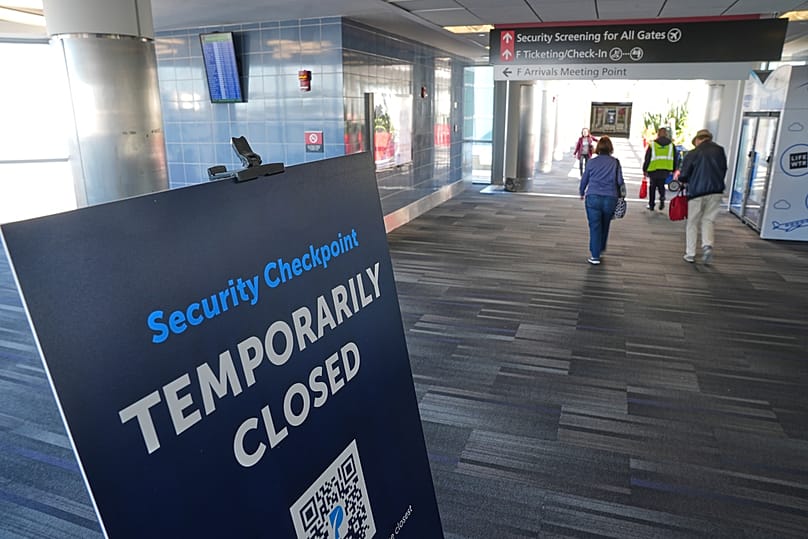
Several airlines, including United, Southwest, and American, have pledged to minimize the impact on consumers as they adjust their schedules to comply with the FAA’s order. Media reports indicated that calls to customer service hotlines for these airlines were answered quickly on Wednesday afternoon, suggesting that anxious passengers were not overwhelming the airlines with questions about flight status.
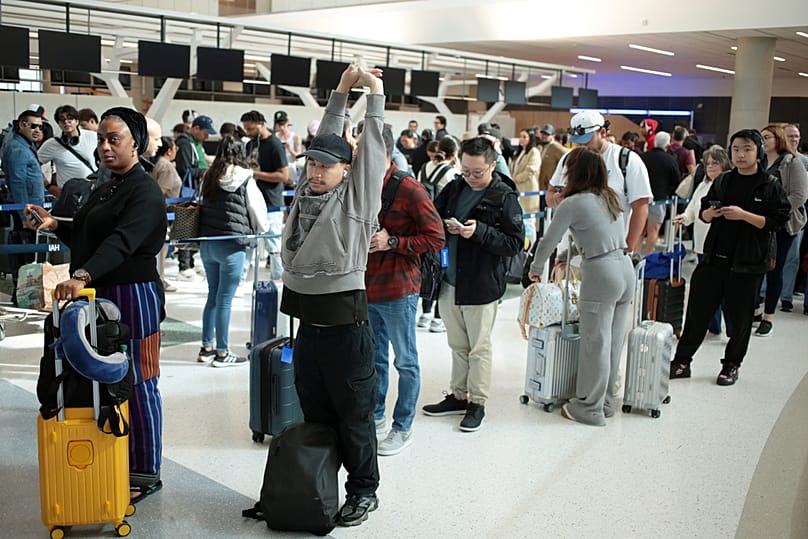
According to an estimate by aviation analytics company Cirium, the flight reductions could result in 1,800 flights and 268,000 seats being lost. For example, O’Hare International Airport in Chicago could see 121 of its 1,212 scheduled flights on Friday cut if the FAA distributes the reductions equally among impacted airports.
Data Shows Worsening Staffing Issues
It is common for the FAA to slow down or stop flights from taking off toward an airport for various reasons, such as weather conditions, equipment failures, and technical problems. Staffing shortages can also lead to slowed or halted departures if there aren’t enough controllers to handle the workload.
Last weekend saw some of the worst staffing shortages during the shutdown. An Associated Press report revealed that at least 39 distinct air traffic control facilities announced possible restricted staffing between Friday and Sunday evening. This figure, described as likely an undercount, is significantly higher than the average for weekends before the shutdown.
Major airlines, aviation unions, and the wider travel industry have all urged the US Congress to end the shutdown, which has now become the longest on record. The situation continues to raise concerns about the safety and efficiency of the nation’s air traffic system.