
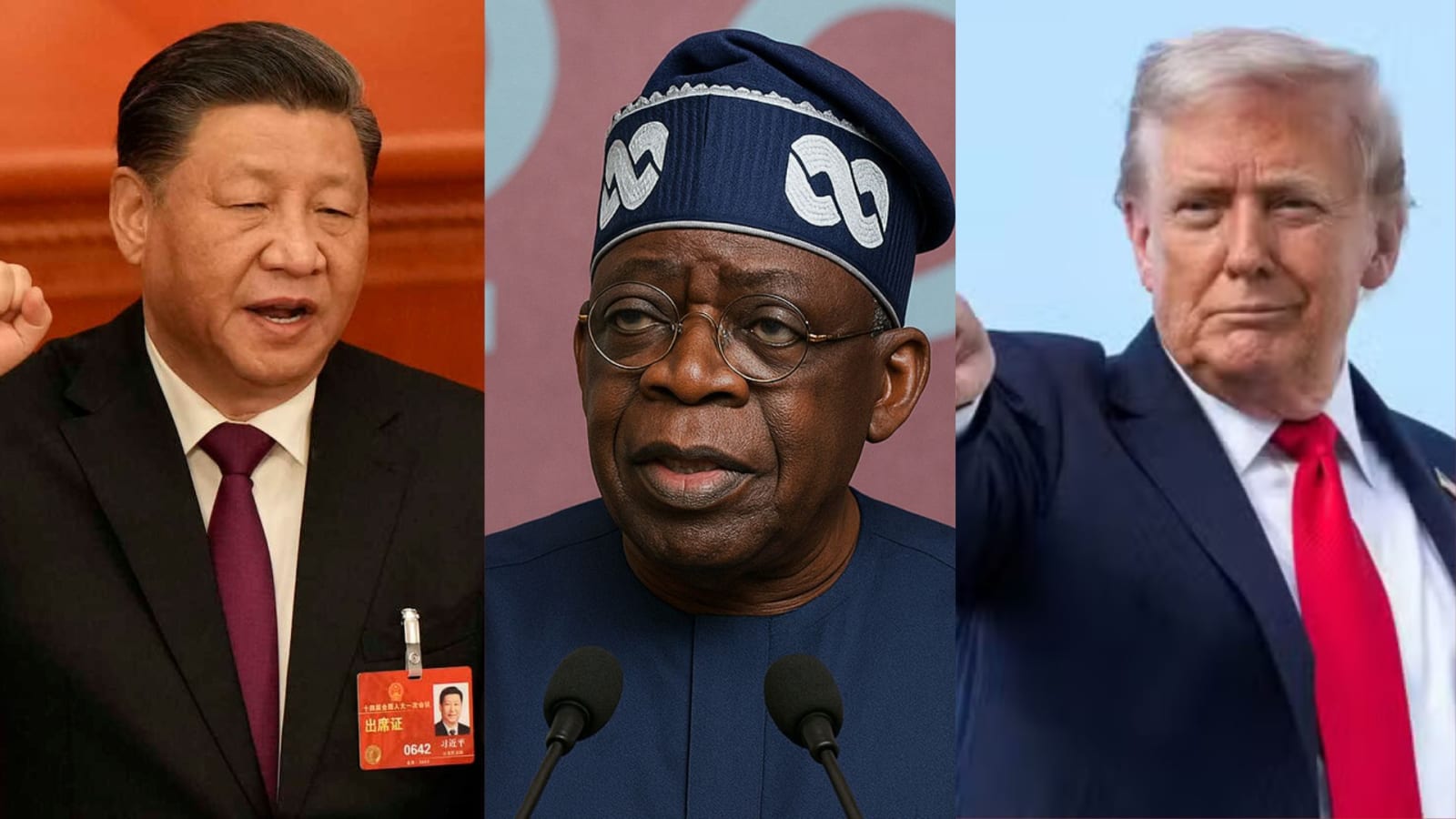
The Escalation of Tensions Over Nigeria
Riley Moore, a prominent figure in the political arena, has been vocal about the situation involving Donald Trump’s warnings of military action in Nigeria. This controversy began when the Chinese foreign ministry spokesperson, Mao Ning, criticized US President Trump’s comments regarding potential military intervention in Nigeria to protect Christians from persecution.
Ning emphasized that China, as Nigeria’s “comprehensive strategic partner,” firmly opposes any country using religion and human rights as an excuse to interfere in other countries’ internal affairs or threaten them with sanctions and force. This statement led to immediate backlash in Washington, highlighting the growing tensions between the two nations.
A Strong Response from Riley Moore
In response to Beijing’s position, Congressman Moore took to X (formerly Twitter) to dismiss China’s stance. He labeled China as a “Communist autocracy” without moral authority to lecture the United States. Moore argued that President Trump was correct in defending those suffering persecution for their faith.
He pointed out that China recently arrested 30 Christian pastors for their beliefs and imprisoned ethnic minorities in concentration camps. Moore, a Republican and staunch Trump ally, maintained that the US has a moral duty to defend global religious freedom while accusing China of hypocrisy on human rights issues.
Deepening US–China Rivalry
This exchange is part of a broader pattern of conflict between the world’s two largest economies. Their relationship is characterized by strategic competition, trade tensions, and geopolitical rivalry. While China’s foreign policy, under President Xi Jinping, emphasizes non-interference, mutual respect, and peaceful coexistence, the US approach prioritizes security, prosperity, and the protection of American interests.
Analysts suggest that Trump’s remarks, although controversial, reflect a larger American strategy of positioning itself morally against Beijing’s expanding influence in Africa. This dynamic underscores the complex interplay of power and ideology between the two nations.
Africa Caught in the Middle
As the rivalry intensifies, African nations find themselves caught in the middle. China remains Africa’s largest trading partner, investing significantly in infrastructure and energy projects. In contrast, the United States has faced criticism for aid cuts, stalled trade programs, and a reduced diplomatic presence on the continent.
Both the Economic Community of West African States (ECOWAS) and the European Union (EU) have reaffirmed their support for Nigeria’s sovereignty. They urge global powers to respect the country’s internal processes while assisting West Africa in its fight against terrorism.
Navigating the Superpower Rivalry
With tensions between Washington and Beijing escalating, observers believe that Nigeria and other African nations may once again be drawn into navigating the rivalry between the two superpowers. The implications of this ongoing conflict extend beyond the immediate political sphere, affecting economic relations, regional stability, and the future of international diplomacy.
The situation highlights the importance of maintaining a balanced approach to foreign policy, ensuring that the voices and needs of African nations are heard and respected amidst the global power struggles. As the world watches closely, the actions of both the US and China will continue to shape the geopolitical landscape of Africa and beyond.