
Vietnam’s trade surplus experienced a significant decline, dropping by 16% to $19.56 billion over the first ten months of the year, according to official data. This decrease highlights a shift in the country’s trade dynamics, with different sectors showing contrasting performance.
The domestic sector reported a trade deficit of $22.83 billion during this period. In contrast, the foreign-invested sector, which includes crude oil, maintained a robust surplus of $42.39 billion. These figures were released by the National Statistics Office (NSO) under the Ministry of Finance on Thursday, reflecting the ongoing impact of global economic conditions and internal market trends.
Vietnam’s total foreign trade value reached an impressive $762.44 billion in the first ten months of the year, indicating sustained activity in both imports and exports. This figure underscores the nation’s continued role as a key player in regional and global trade networks.
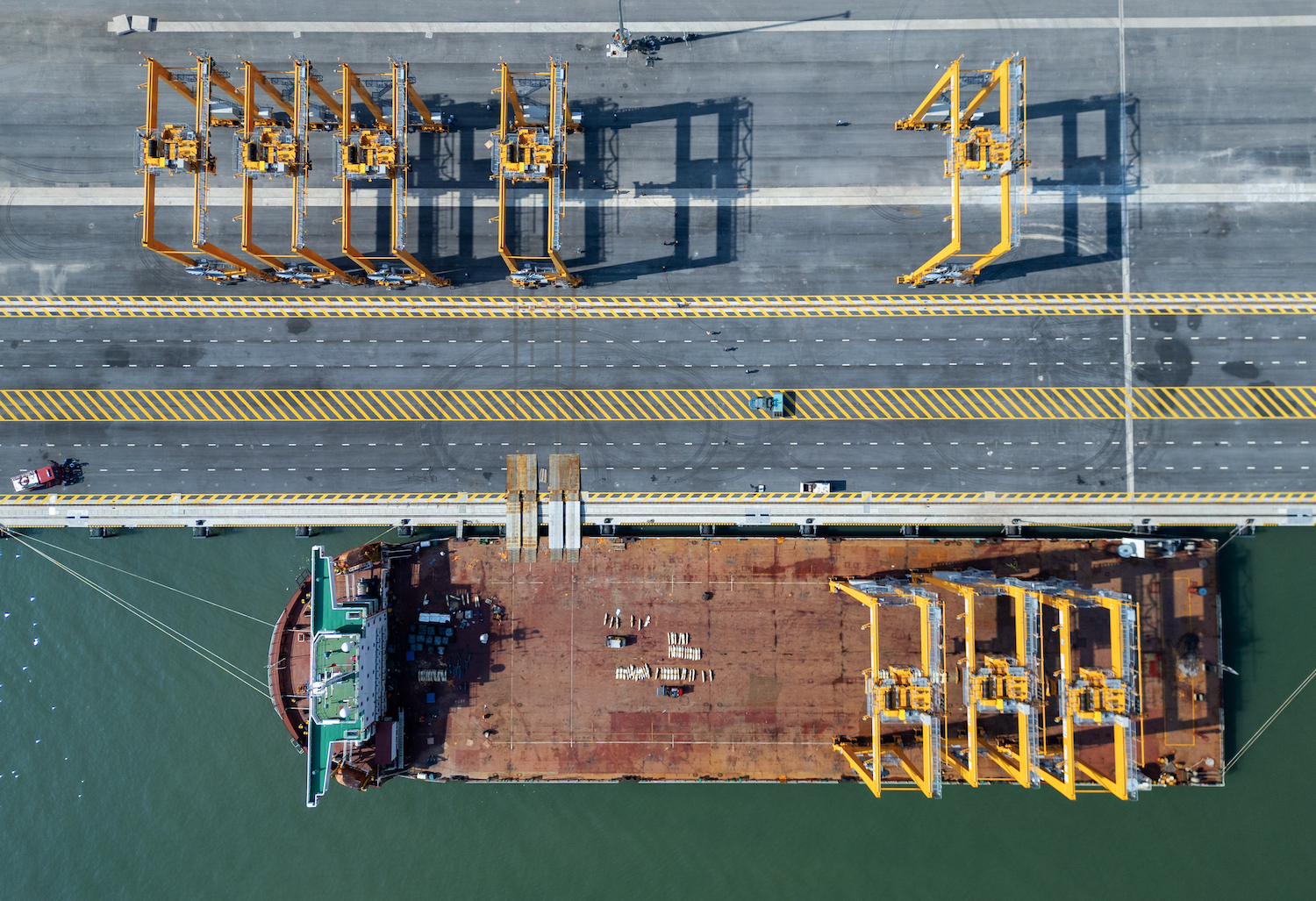
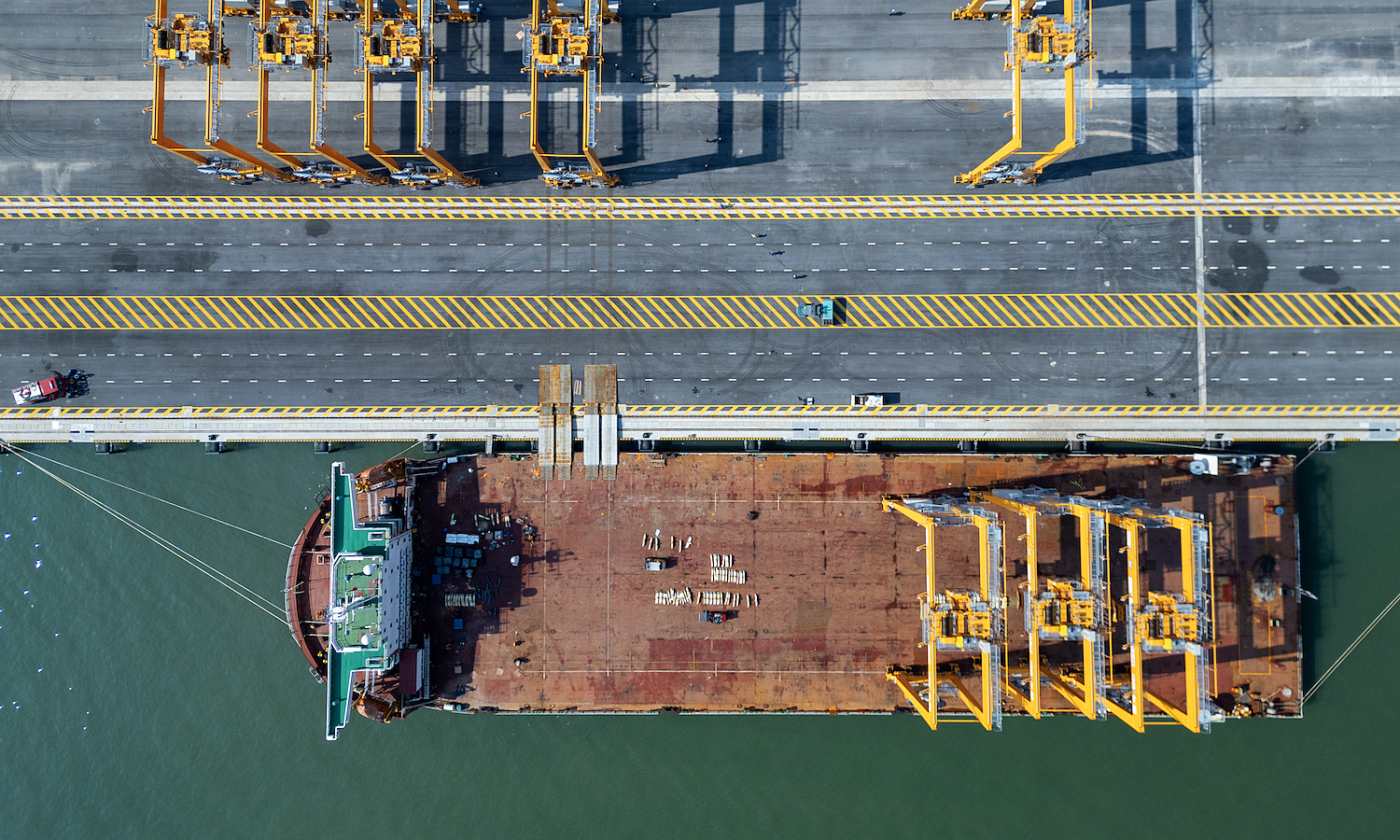
Lach Huyen Terminal in Hai Phong City, November 2024. Photo by VnExpress/Le Tan
In October alone, exports were estimated at $42.05 billion, marking a slight decrease of 1.5% compared to September. However, this figure represents a notable 17.5% increase when compared to the same month in the previous year. Over the January–October period, cumulative exports reached $391 billion, reflecting a 16.2% year-on-year growth.
Breaking down these figures, the domestic sector contributed $94.17 billion, accounting for 24.1% of the total exports. Meanwhile, the foreign-invested sector, including crude oil, achieved $296.83 billion, making up 75.9% of total exports. This segment saw a substantial increase of 22.5%, emphasizing its critical role in Vietnam’s export success.
According to NSO data, 36 commodities recorded an export turnover exceeding $1 billion, contributing to 94.1% of total overseas shipments. Among these, seven commodities surpassed the $10 billion mark each, collectively accounting for 67.9% of total exports. This concentration highlights the importance of specific goods in driving Vietnam’s trade performance.
The performance of these key commodities suggests that certain industries are thriving despite broader economic challenges. The continued growth in exports from the foreign-invested sector indicates strong international demand for Vietnamese-manufactured goods and raw materials.
As Vietnam navigates through these economic fluctuations, the government and businesses will need to focus on strategies that support sustainable growth. Diversifying export markets, enhancing productivity, and investing in infrastructure could be crucial steps in maintaining momentum.
The data also points to the need for further analysis of the domestic sector’s challenges. Addressing these issues could help balance the trade picture and reduce reliance on foreign investment for export growth.
Overall, while the trade surplus has declined, the resilience of the foreign-invested sector and the growth in overall exports demonstrate the potential for continued economic development. With the right policies and market strategies, Vietnam can work towards a more balanced and stable trade environment.