
Challenges and Delays in Blue Origin’s New Glenn Launch
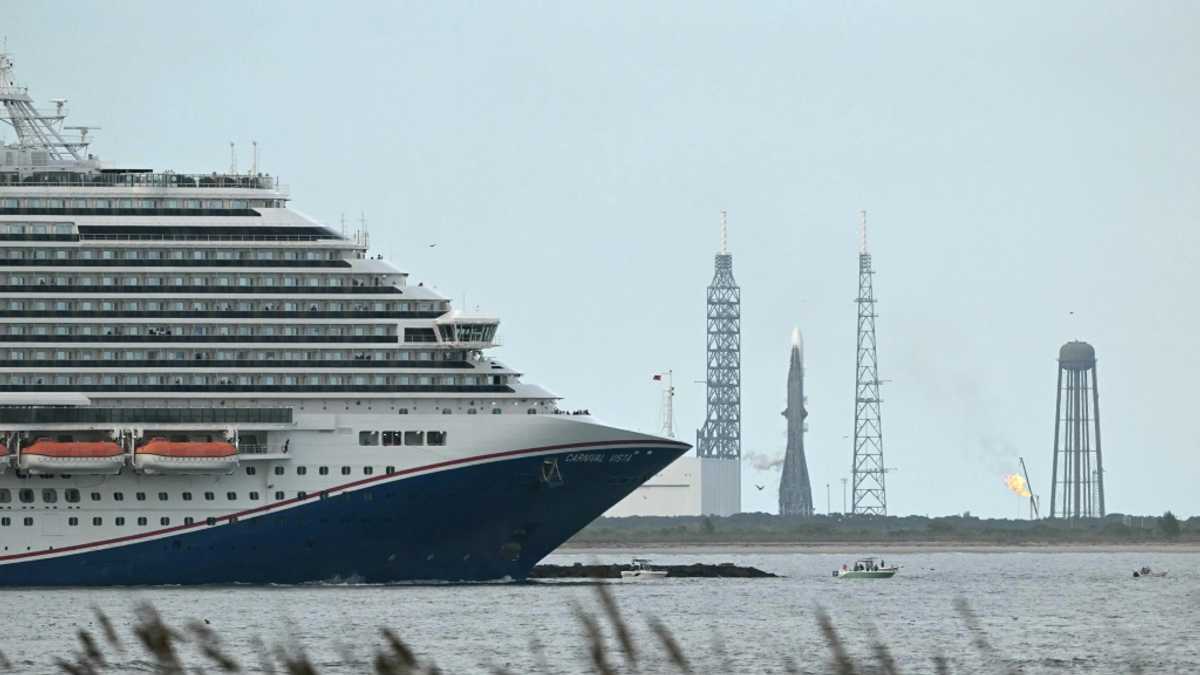
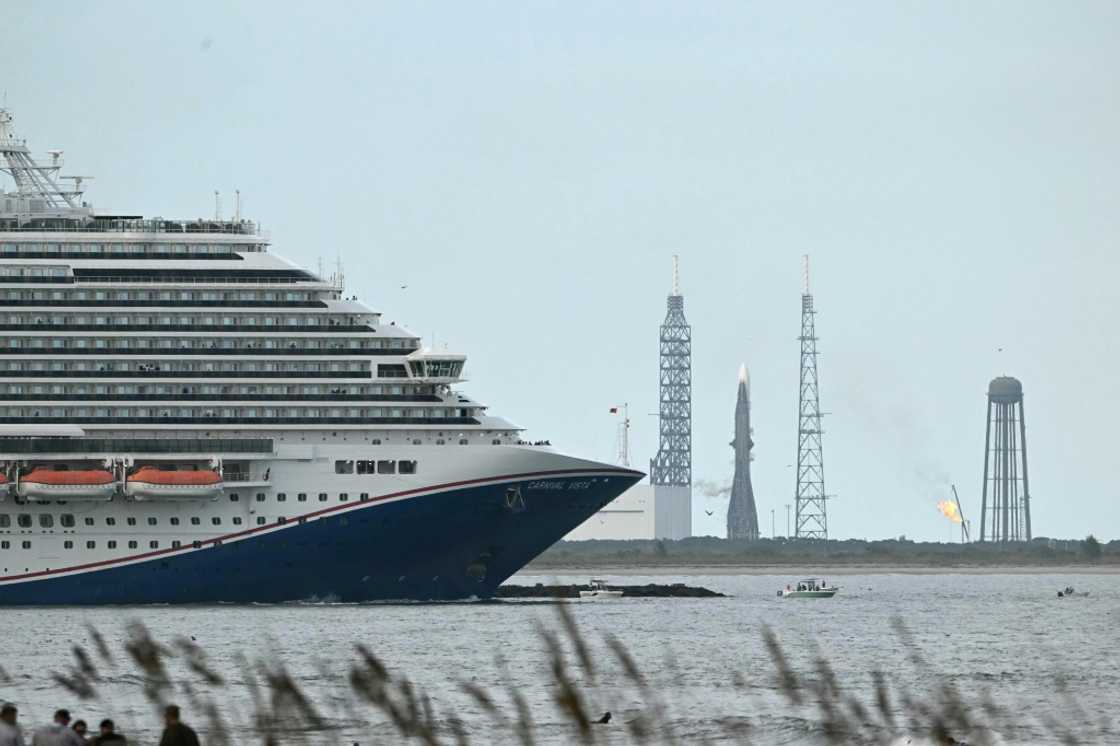
Blue Origin, the space company founded by billionaire Jeff Bezos, recently faced a setback as it had to delay the launch of its New Glenn rocket. The decision came after unfavorable weather conditions and technical issues were identified. Rain and a ground system problem led to further complications, with cumulus cloud cover closing the 88-minute launch window. As a result, mission managers had no choice but to reschedule the rocket’s second mission.
This delay occurred amid growing competition between Blue Origin and Elon Musk’s SpaceX, two major players in the commercial space industry. The rescheduling could be particularly challenging due to the ongoing US government shutdown. To manage airspace congestion, the Federal Aviation Administration (FAA) has limited commercial rocket launches starting from Monday. Blue Origin had previously sought an exemption from the FAA, but it remains to be seen whether this will be granted.
When the New Glenn rocket finally takes off, it will have a significant task: delivering NASA’s ESCAPADE twin spacecraft to Mars. This mission aims to study the Red Planet’s climate history, with the long-term goal of enabling human exploration. Additionally, the launch will serve as a critical test for Blue Origin’s ability to recover its booster stage, which would represent a major technological achievement if successful.
A Test of Technological Capabilities
The New Glenn rocket, standing at 322 feet (98 meters), made its debut in January, marking a successful first flight. The payload reached orbit and conducted successful tests. However, the first-stage booster, intended to be reusable, did not successfully land on a platform in the Atlantic. Instead, it was lost during descent.
In its second attempt, Blue Origin is aiming to recover the booster stage once again. So far, only SpaceX has managed to achieve this feat. The success of this recovery will be a key indicator of Blue Origin’s progress and capabilities in the field of reusable rocket technology.
Industry Perspectives and Future Implications
George Nield, a senior aerospace executive who has worked to promote the commercial space industry, highlighted the importance of the New Glenn’s eventual launch. He noted that how the mission unfolds will be a clear indicator of how well Blue Origin is performing and the progress it has made.
The competition between Blue Origin and SpaceX has intensified, especially as NASA opens up bids for its planned Moon mission. There have been concerns that SpaceX might be lagging behind in certain areas.
Mason Peck, an aeronautics professor at Cornell University and former NASA chief technologist, believes that increased competition between the two companies could expand options for launches. “More launches mean more ideas in space,” he said. “It can’t be a bad thing to have Blue Origin, even trailing behind.”
The Broader Context of the Space Race
The space race between these private companies is occurring against the backdrop of increasing pressure on NASA to accelerate its efforts to send a crewed mission to the Moon. This pressure has been amplified during the administration of former US President Donald Trump, who emphasized the need for rapid progress in space exploration.
As Blue Origin continues to refine its technology and push the boundaries of what is possible, the outcome of the New Glenn’s launch will be closely watched by industry experts and space enthusiasts alike. It represents not just a step forward for the company, but also a significant moment in the broader context of commercial space exploration.