
Legal Dispute Over FIFA’s Authority in Malaysian Citizenship Cases
Former Malaysian judge Hamid Sultan Abu Backer has raised concerns about FIFA’s involvement in determining the authenticity of government-issued documents, accusing the global football governing body of overstepping its authority. This issue arose after seven naturalized footballers were banned for a year due to alleged falsified birth certificates.
In comments shared with a Malay-language outlet, Hamid argued that FIFA does not have the jurisdiction to assess the validity of documents issued by a sovereign government. He pointed to Article 22 of FIFA’s Disciplinary Code as the basis for the sanctions but claimed that the organization made a “jurisdictional error” by declaring these documents fake.
“An arbitrator or committee may reject a birth certificate, but it has no jurisdiction to declare it forged or fraudulently issued if it was issued by the government,” he explained. According to Hamid, only Malaysian courts have the authority to determine whether a government-issued document is genuine or not.
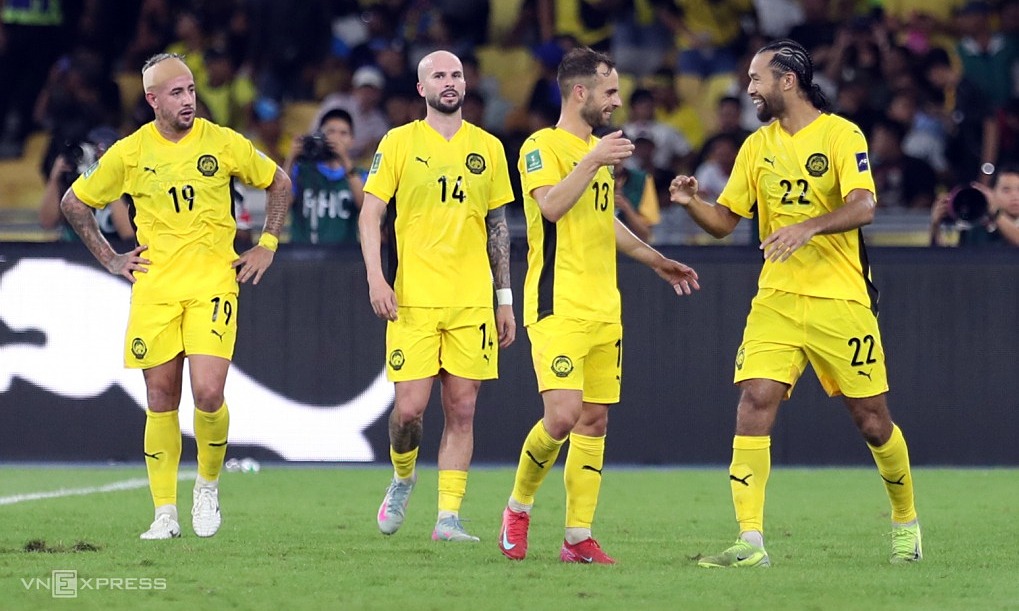
FIFA had previously imposed penalties on the Football Association of Malaysia (FAM), fining them 350,000 Swiss francs (US$432,000) and banning seven players for a year. These players include Gabriel Palmero, Facundo Garces, Rodrigo Holgado, Imanol Machuca, Joao Figueiredo, Jon Irazabal Iraurgui, and Hector Hevel. The ban followed allegations that they submitted falsified birth certificates.
On November 3, FIFA’s Appeals Committee rejected FAM’s appeal against the sanctions. The global football body stated that FAM and the players have 10 days from the announcement to request a written explanation of the decision and 21 days to file an appeal with the Court of Arbitration for Sport (CAS).
According to reports, FIFA informed FAM and the seven players in a letter that it had determined their grandparents were born outside Malaysia—specifically in Spain, Argentina, Brazil, and the Netherlands. The decision highlighted that the original birth certificates showed a significant contrast to the documentation provided.
Judge Hamid emphasized that the citizenship of the seven disputed players should be referred to Malaysian courts, which he described as the “sole competent authority.” He stressed that FIFA cannot act “against the records of a sovereign government” without going through a public and transparent judicial process in Malaysia or in the players’ countries of origin.
Political Implications and Support for FAM
Tunku Ismail Sultan Ibrahim, the Crown Prince of Johor and president of Johor Darul Ta’zim (JDT), criticized FIFA’s rejection of FAM’s appeal, calling it “politically motivated” and a “misuse of law.” According to reports, Tunku Ismail also offered to cover all expenses related to FAM’s effort to bring the case before CAS, expressing confidence in the legal process.
Tunku Ismail is credited with recruiting and naturalizing the seven players, three of whom—Figueiredo, Irazabal, and Hevel—currently play for JDT. His involvement highlights the broader implications of this dispute, not just for the players involved but for the relationship between international football governance and national legal systems.
Ongoing Legal Battles and Future Steps
The situation remains unresolved as FAM and the affected players prepare to take their case to CAS. The outcome of this appeal could set a precedent for how FIFA handles similar cases in the future. It also raises important questions about the balance of power between international sports organizations and national governments.
For now, the dispute underscores the complexity of navigating legal frameworks when dealing with issues of citizenship and identity in professional sports. As the case moves forward, all eyes will be on how the legal system in Malaysia and beyond responds to FIFA’s actions.