
Political Tensions Over Daejang-dong Case
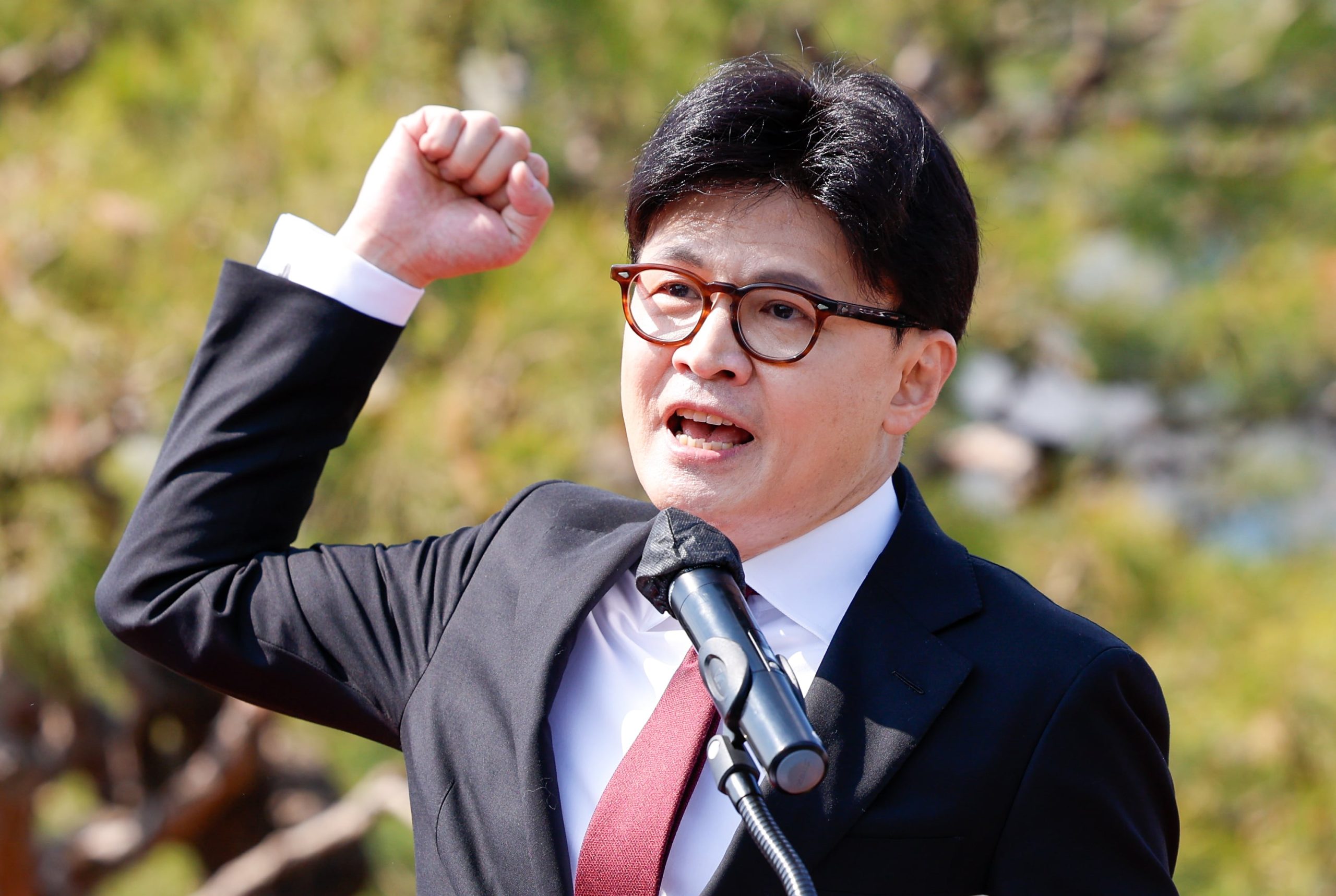
Former People Power Party leader Han Dong-hoon has voiced strong criticism against the Democratic Party for its stance on the Daejang-dong case, highlighting what he perceives as a lack of accountability for private developers involved in the matter. He accused the party of aligning itself with the Daejang-dong group, stating, “The Democratic Party has admitted to being accomplices and a single team with the Daejang-dong group” and suggesting that the party’s actions signal the beginning of a “soft dictatorship.”
Han made these remarks on his Facebook page on the 9th, emphasizing the contradiction between the judiciary’s severe sentencing of Kim Man-bae and the Daejang-dong group and the Democratic Party’s recent moves. According to him, while the South Korean judiciary had imposed heavy prison terms for their crimes, the party had pushed for the prosecution to abandon its appeal against the group. Furthermore, the party is now advocating for a permanent special counsel to handle related investigations.
The Prosecution’s Decision
The Seoul Central District Prosecutors’ Office did not file an appeal by midnight on the 7th, which was the deadline for private developers involved in the Daejang-dong case. Reports indicate that the Ministry of Justice and the Supreme Prosecutors’ Office directed the investigation team not to proceed with an appeal. This decision has sparked significant debate among political figures and legal experts.
Kim Byung-kee, the floor leader of the Democratic Party of Korea, responded to the prosecution’s choice to abandon the appeal. He stated, “The prosecution leadership decided to refrain from indiscriminate appeals” and added that this measure reflects public criticism over excessive investigations. Kim emphasized that the decision upheld a “minimal conscience before the people.”
He further explained that the party plans to actively review and implement a national investigation, hearings, and a permanent special counsel regarding the prosecution’s investigations into the Daejang-dong and inter-Korean remittance cases. This move is seen as an effort to ensure transparency and thoroughness in handling such sensitive matters.
Implications and Reactions
The controversy surrounding the Daejang-dong case highlights the complex relationship between the judiciary, political parties, and public opinion. The Democratic Party’s approach to the issue has drawn both support and criticism. Supporters argue that the decision to abandon the appeal reflects a balanced and responsible approach to justice, while critics view it as a potential cover-up or a sign of political favoritism.
The establishment of a permanent special counsel has also raised questions about the independence and impartiality of the investigative process. Some believe that such a body could provide a more comprehensive examination of the case, while others worry about the potential for political interference.
Ongoing Debate
As the situation continues to unfold, the debate over the Daejang-dong case remains a focal point for political discourse in South Korea. The actions of the Democratic Party and the prosecution have ignited discussions about the role of political influence in judicial decisions and the need for clear guidelines in handling high-profile cases.
The public’s trust in the legal system is closely tied to perceptions of fairness and transparency. As the case progresses, all eyes will be on how the various stakeholders navigate the challenges ahead. The outcome could have far-reaching implications for future investigations and the broader political landscape in the country.