
Labour’s Strategy for Border Security: Looking to Denmark
In a bid to address the growing concerns over border security and counter the rising influence of Nigel Farage’s party, the Labour government is exploring international models that could help manage migration more effectively. One such model under consideration is Denmark’s approach, known for its strict policies on asylum seekers and migrants.
Denmark’s ‘zero refugees’ model has attracted significant attention from UK officials. The Scandinavian nation has managed to turn away approximately 95% of asylum seekers, making it a potential blueprint for the UK. Under this system, all migrants must be in full-time employment to settle in Denmark. Those who are accepted receive a revocable temporary visa, which allows them to be deported if their home country becomes safe enough.
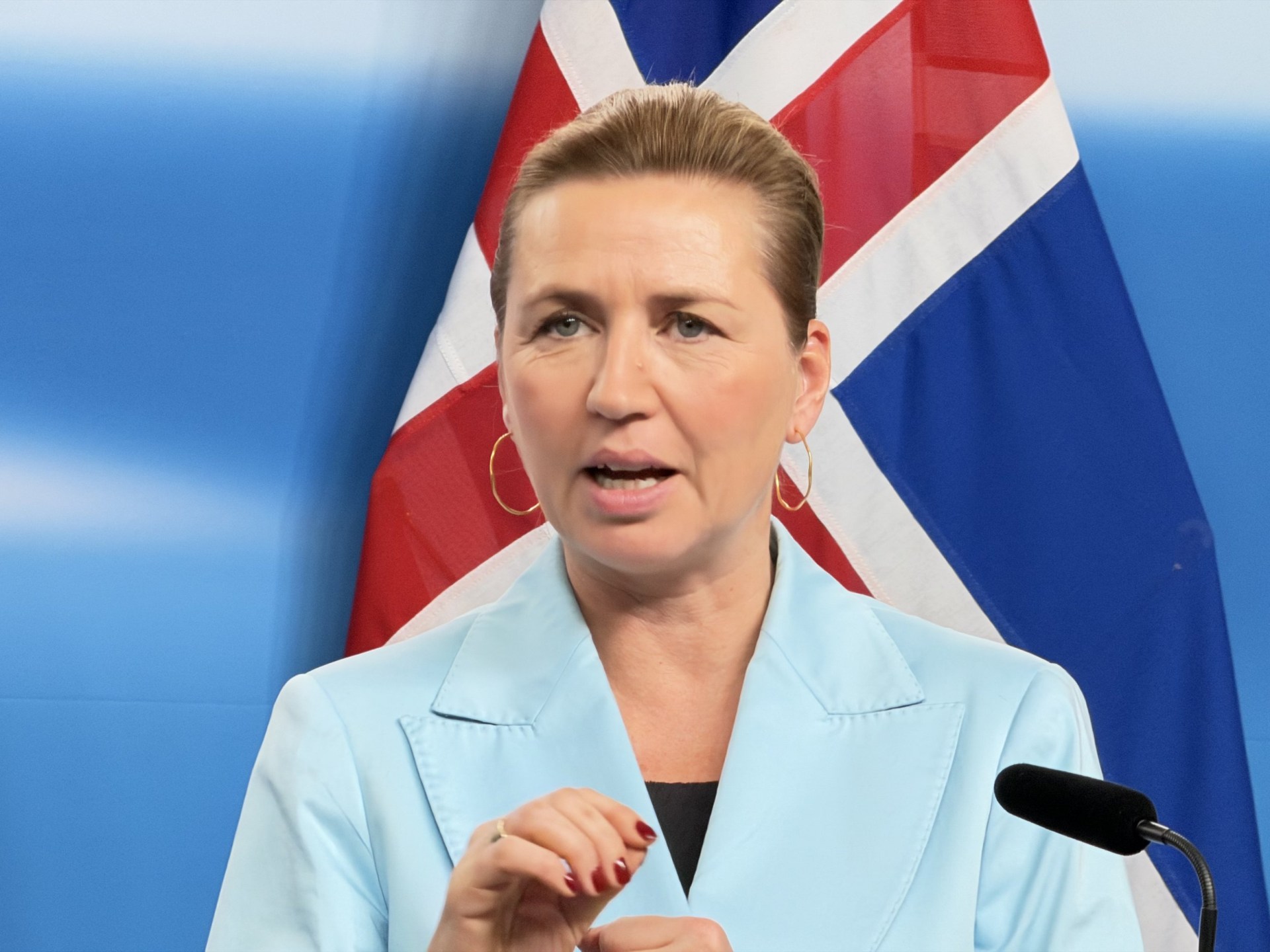
This approach has led to a 40-year low in successful asylum claims, a feat that has caught the attention of Labour leader Sir Keir Starmer. Starmer has often been seen alongside Danish Prime Minister Mette Frederiksen, with both leaders expressing strong support for Ukraine as part of the Coalition of the Willing. However, it is Frederiksen’s success in managing migration and preventing the rise of right-wing populist sentiment that is most relevant to Starmer’s current strategy.
Current polls indicate that Labour is trailing Farage’s party by an average of 10 percentage points, prompting the need for a robust response to the migrant crisis. The Home Office is closely examining Denmark’s other stringent migration policies, including restrictions on family reunification. These measures aim to prevent unauthorized entries and ensure that only those who meet specific criteria can join their families in Denmark.

One of the key aspects of Denmark’s policy is the requirement for individuals wishing to join a spouse to meet certain conditions. Both the sponsor partner and the applicant must be at least 24 years old, a measure introduced to curb forced marriages. Additionally, both parties must pass a language test, have not claimed benefits for three years, and the applicant must have a financial guarantee from their sponsor.
While the UK and Denmark have both considered agreements with Rwanda to process asylum applicants abroad, these plans have been on hold since 2021. Three years prior, Denmark implemented controversial legislation aimed at altering the demographic composition of areas with a non-western migrant population exceeding 50%. This move was intended to address issues related to social integration and community cohesion.
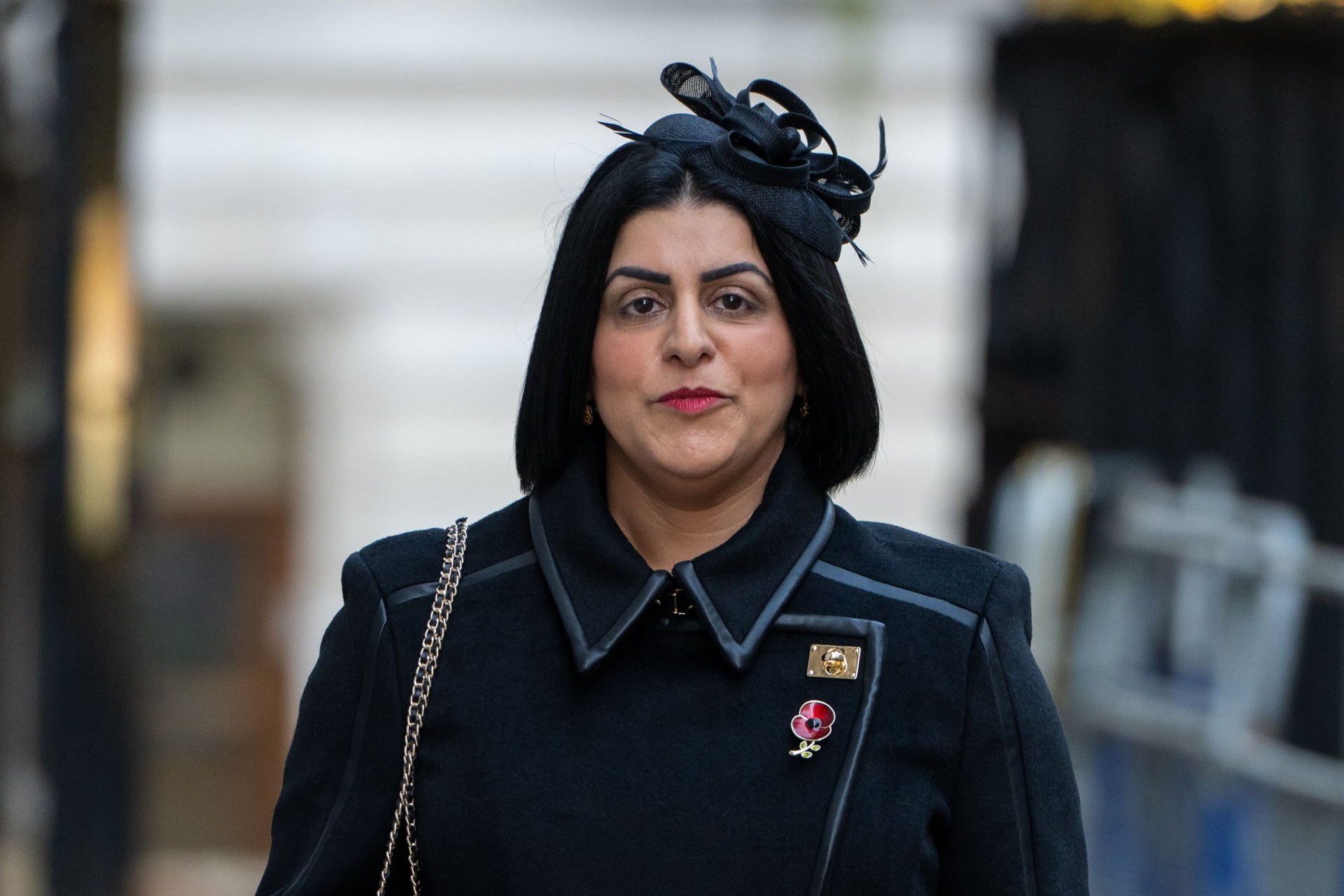
Sources suggest that Home Secretary Shabana Mahmood is keen to meet her Danish counterpart, Rasmus Stokland, to explore how similar measures could be adapted in the UK. The goal is to deter people from entering the country through unauthorized routes and to implement more effective border control strategies.
However, implementing such policies may face resistance within Labour’s own ranks. Some moderates have criticized the Danish approach as being too harsh, labeling it as ‘hardcore’, ‘dangerous’, and even bordering on ‘racist’. There are also practical challenges in adapting Denmark’s model to the UK context, where many migrants seek to reunite with family members or wish to learn English.
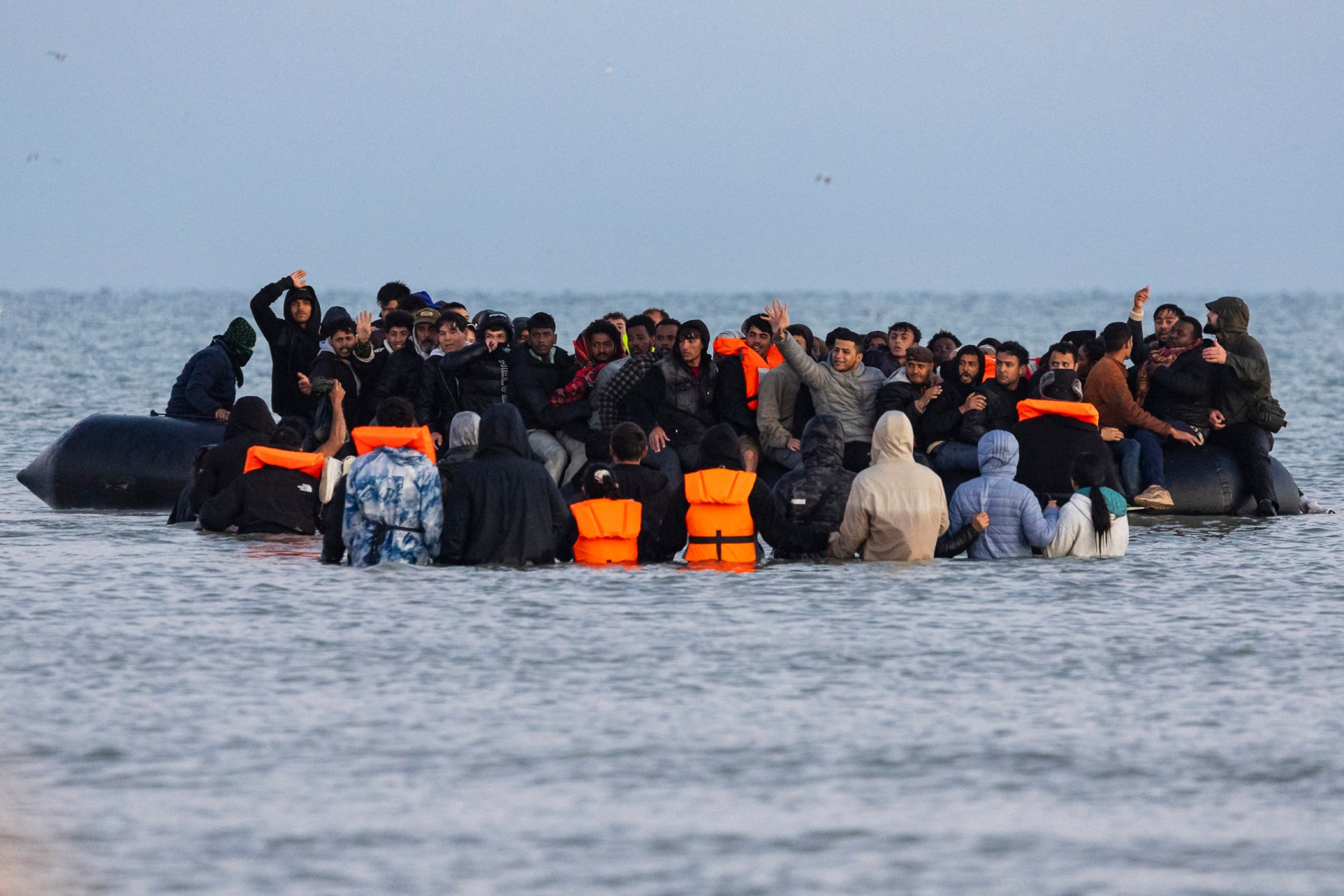
Recent data shows that 503 migrants crossed the English Channel in a single day. On Saturday, seven small boats brought in the latest arrivals, with more vessels making the crossing from France on Sunday. This brings the total number of crossings over the past three days to 1,772, with 38,726 migrants arriving so far this year. This figure is higher than the 32,119 recorded by the same date last year and the 26,699 in 2023.
On Sunday, more people were photographed in Dover being brought ashore on a Border Force vessel while wearing lifejackets, some wrapped in blankets. These images highlight the ongoing challenges faced by authorities in managing the flow of migrants across the Channel.
As the situation continues to evolve, the UK government remains focused on finding effective solutions to the migration crisis. While the Danish model offers a potential framework, its implementation in the UK will require careful consideration of local needs and sensitivities. The goal is to create a balanced approach that ensures national security while respecting the rights of migrants and maintaining social harmony.