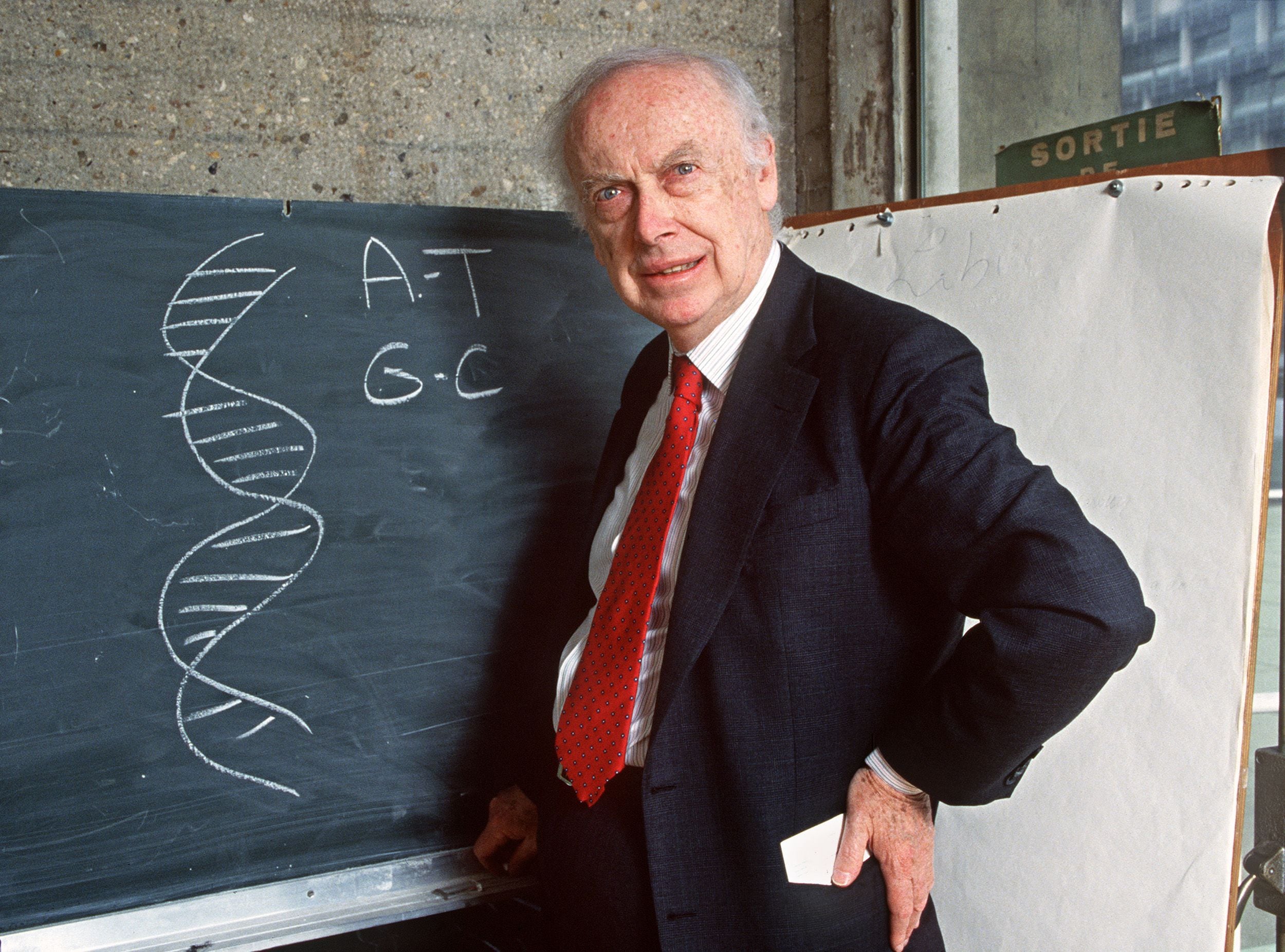
The Legacy of James Watson
James Watson, a pivotal figure in the field of molecular biology, passed away at the age of 97. His death was announced by the Cold Spring Harbor Laboratory (CSHL), where he was affiliated, on the 7th (local time). Watson died the previous day at a hospice facility in East Norport, Long Island.
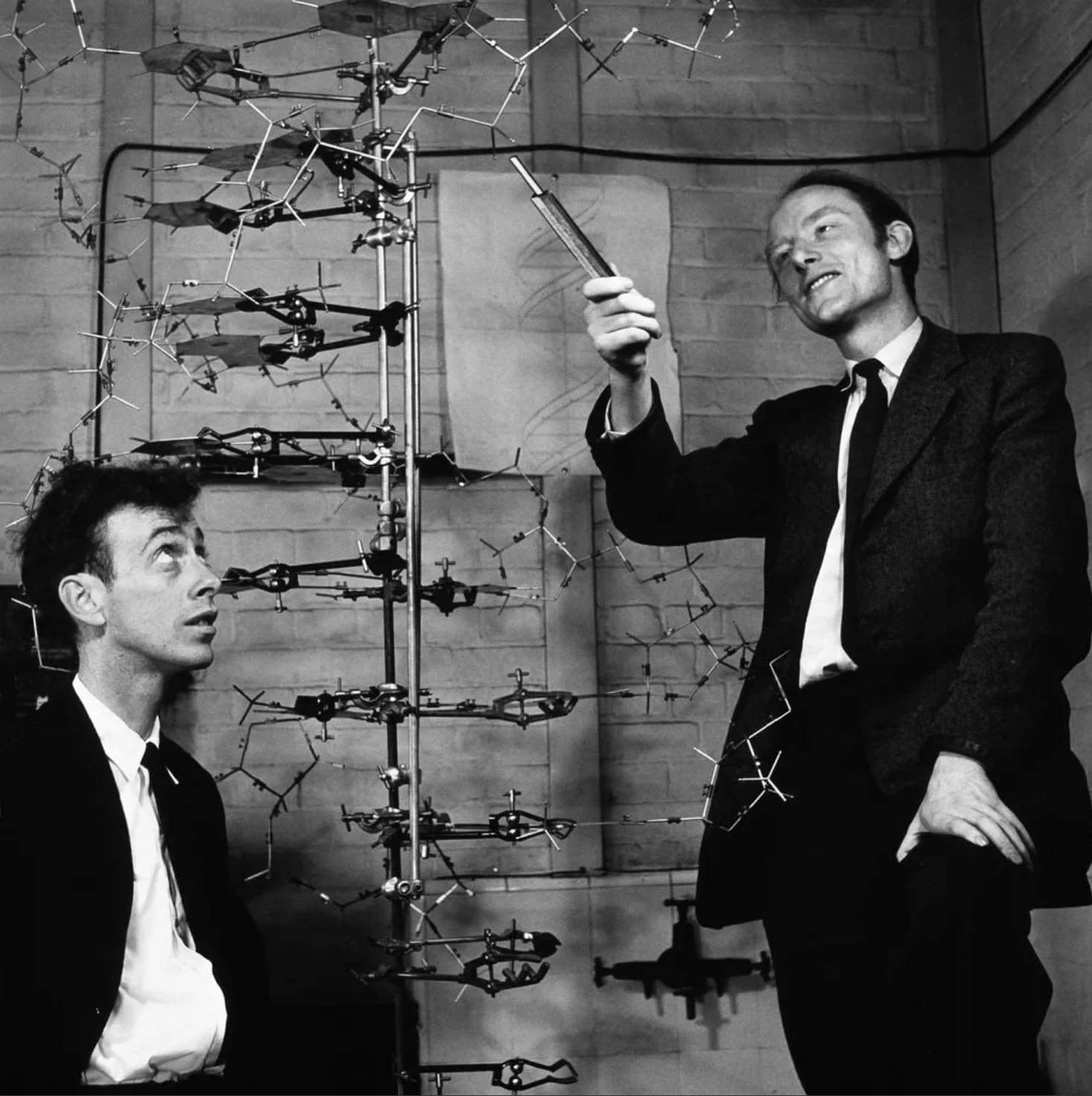
At just 25 years old, Watson made one of the most significant discoveries in scientific history when he and Francis Crick unveiled the DNA double-helix structure in 1953. This groundbreaking work took place at the University of Cambridge’s Cavendish Laboratory in the UK. Their discovery provided the first clear understanding of how genetic information is replicated and transmitted across generations, marking the beginning of modern molecular biology.
For their work, Watson, Crick, and Maurice Wilkins were awarded the 1962 Nobel Prize in Physiology or Medicine. This achievement not only transformed the study of genetics but also laid the foundation for numerous advancements in medical science, including research into genetic diseases, gene therapy, personalized medicine, and CRISPR gene-editing technology.
Watson’s contributions extended beyond his initial discovery. While serving as a professor at Harvard University, he became the director of the Cold Spring Harbor Laboratory in Long Island, New York, in 1968. Under his leadership, the laboratory evolved into a global center for molecular biology research.
One of Watson’s most ambitious projects was leading the Human Genome Project (HGP) as its inaugural director in 1990. This international initiative aimed to decode the entire human genome, consisting of approximately 3 billion base pairs. Although he stepped down from the project in 1992 due to disputes over gene patents, his argument that “genetic blueprints cannot be patented” gained validation in 2013 when the U.S. Supreme Court ruled that naturally occurring genes are not patentable.
Despite his many achievements, Watson’s life was also marked by controversy. In a 2007 interview with the British Sunday Times, he made controversial remarks suggesting that “Black people are less intelligent than white people.” These comments drew widespread condemnation. He repeated similar statements in a 2019 PBS documentary, which led to the revocation of all honorary titles by the Cold Spring Harbor Laboratory.
In 2014, Watson sparked further debate when he auctioned his Nobel Prize medal, stating that the proceeds would be used to support his family and research. Some members of the scientific community criticized this act as a “rebellious gesture by a Nobel laureate isolated from the field.” A Russian billionaire eventually purchased the medal for $4.1 million and later returned it to Watson.
A Complex Legacy
Watson’s career was a mix of remarkable scientific achievements and contentious personal views. His contributions to the field of genetics have had a lasting impact on modern science, influencing everything from medical treatments to biotechnology. However, his controversial statements and actions have also left a complex legacy that continues to be debated within the scientific community.
Despite the controversies, Watson’s work remains a cornerstone of modern biology. His discovery of the DNA structure opened new avenues of research and inspired generations of scientists. As the field of genetics continues to evolve, the influence of Watson’s work can still be felt in laboratories around the world.