
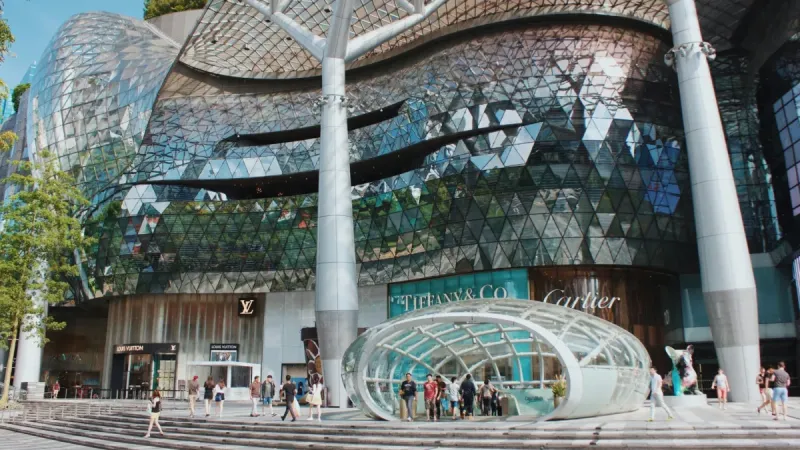
The Role of AI in the Luxury Market
Artificial Intelligence (AI) is playing an increasingly vital role in the luxury market. According to a recent survey, two-thirds of luxury professionals believe that AI will enhance their ability to target consumers more effectively. This shift highlights how AI has become a central component of strategy for global luxury brands.
From Product-Centric to Experience-Led Strategies
Euromonitor’s report emphasizes that as brands aim to grow in 2025, they must move away from product-centric approaches and instead focus on experience- and purpose-led ecosystems. This transition reflects a broader trend in consumer preferences, where the value of experiences is gaining prominence over material goods.
Generative AI in the Luxury Sector
Generative AI is now widely used across the luxury sector. It is applied in various areas, including predictive design, real-time marketing, and creating hyper-personalised retail experiences. This technology allows brands to tailor their offerings to individual customer preferences, thereby enhancing engagement and satisfaction.
Experiential Luxury and Market Growth
Experiential luxury is set to grow significantly in 2025, with an expected increase of 8% to reach approximately US$103.4 billion. This growth contrasts with the slight decline anticipated for personal luxury goods. The demand for experiential luxury spans travel, hospitality, retail, and immersive “third spaces.”
Consumer Preferences and Affordability Concerns
Consumers, particularly those in higher income brackets, are increasingly seeking meaning and emotional value in their purchases. A significant portion of affluent respondents prefer spending on experiences rather than material goods. Additionally, 71% of these individuals express concerns about everyday affordability, indicating a shift in spending priorities.
Expansion into Adjacent Categories
Luxury brands are also expanding into adjacent categories such as home décor, wellness, real estate, and even senior living. This expansion is especially targeted at the growing segment of affluent consumers aged 60 and above. The goal is to create lifestyle-centric ecosystems that cater to holistic well-being needs and extend brand engagement beyond traditional products.
Sustainability as a Core Value
Sustainability is evolving from a compliance issue to a core value driver. Leading brands are adopting circular business models, investing in digital product passports, and using third-party certifications like B-Corp status to demonstrate their commitment to climate responsibility.
Key Factors for Success
Euromonitor highlights that successful brands will go beyond product innovation to offer personalised, ethically grounded, and emotionally engaging experiences. Integrating generative AI with verified sustainability and lifestyle-led extensions will be crucial for maintaining relevance and driving revenue in a values-driven market.
Conclusion
The luxury market is undergoing a significant transformation. As brands adapt to changing consumer preferences, the integration of AI, a focus on experiential luxury, and a commitment to sustainability are becoming essential elements of success. By embracing these changes, luxury brands can better meet the evolving needs of their customers and secure a competitive edge in the market.