
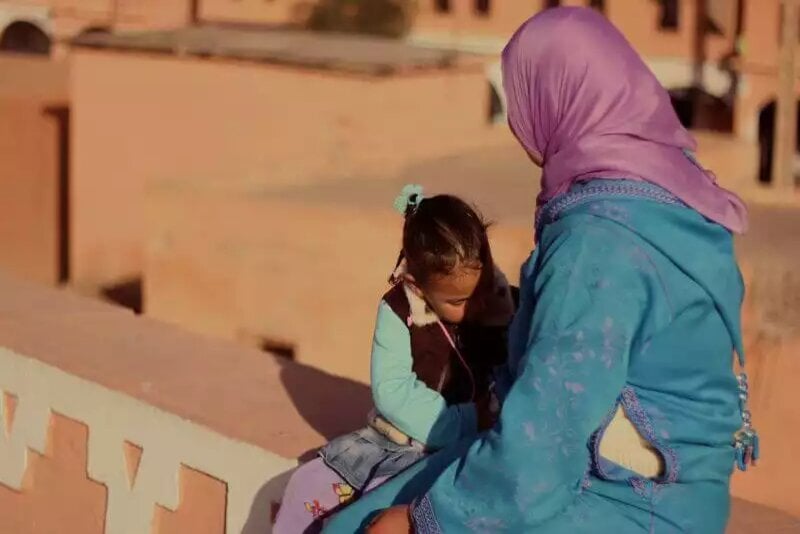
Shifting Demographics and the Changing Role of Women in Morocco
Morocco is experiencing a significant transformation in its demographic landscape, with implications for both family structures and the role of women in society. The country’s new gender-focused budget report for 2026 highlights key trends that are reshaping daily life, particularly for women. These changes include a decline in birth rates, smaller family sizes, and an aging population, all of which are altering traditional social dynamics.
According to the 2024 census, the average Moroccan family now has 3.9 members, down from 4.6 in 2014. This decrease reflects a drop in fertility rates, which have fallen to 1.97 children per woman—below the level needed to maintain population stability. As a result, more households consist of just two or three people, accounting for 31.7% of all families.
This shift towards smaller families is leading to fewer extended family networks, reducing the traditional support systems for both children and the elderly. With older adults living longer, care responsibilities are increasingly falling on women, who already bear the majority of unpaid household and care work. The report states that women provide 84% of this labor, compared to 16% for men.
An Aging Population and Economic Implications
The aging trend is also evident in the growing proportion of Moroccans aged 60 and above. This group increased from 9.4% in 2014 to 13.8% in 2024, and is projected to reach 23.2% by 2050, totaling around 10 million people. This rapid aging is accompanied by a decline in the working-age population, which fell from 62.4% to 59.7% over the same period. This means fewer workers are supporting a growing number of dependents.
The report also highlights a sharp increase in Morocco’s aging index, which measures the ratio of seniors to children. It rose from 33 seniors per 100 children in 2014 to 52 in 2024, and is expected to hit 129 by 2050. These figures underscore the urgent need for policy reforms to address the challenges of an aging society.
Women’s Struggles and the Care Economy Opportunity
Women are bearing the brunt of these changes, as they are often the primary caregivers for both children and elderly relatives. Around 63% of women outside the workforce cite childcare and domestic responsibilities as the main barriers to employment. Additionally, 54% say the lack of childcare services prevents them from entering the job market.
Only 19.1% of women were part of the formal workforce in 2024, highlighting the need for structural changes to support women’s participation in the economy. The report suggests that developing a “care economy” could be a viable solution. By investing in childcare, elder care, and related services, Morocco can create jobs and stimulate economic growth.
Global data show that every dollar invested in paid care can generate three dollars in economic growth while increasing women’s employment rates. Expanding early childhood education is another key strategy. Preschool enrollment has risen from 33% in 2007 to 78.7% in 2023, and further expansion could create over 51,000 jobs, 90% of which would be for women.
The Silver Economy and Future Prospects
Another promising area is the “silver economy,” which focuses on services for older adults. This sector is expected to grow by 7% annually until 2050, reaching 640 billion dirhams, or 13% of Morocco’s GDP. By tapping into this potential, Morocco can create new opportunities for employment and economic development.
The report calls for a national strategy that integrates social care, economic planning, and job creation. Rather than replacing family solidarity, this approach aims to support it through organized and fair systems that reduce the burden on women.