
Hungary Challenges EU’s Plan to End Russian Energy Imports
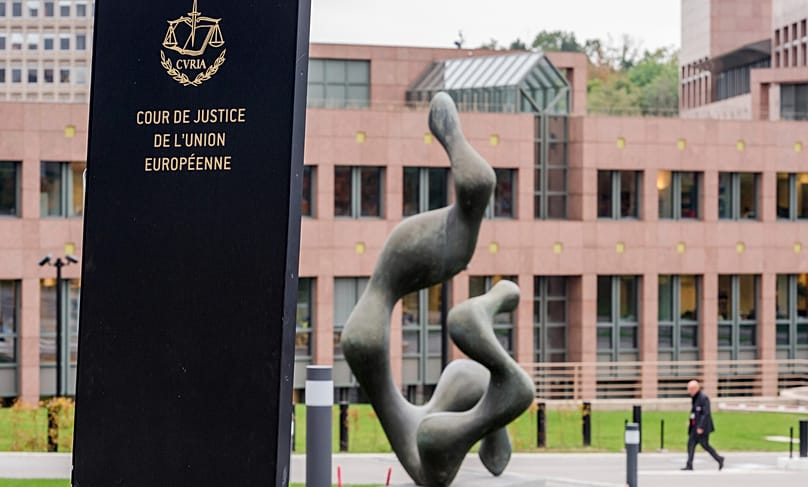
Hungary has announced its intention to challenge the European Union’s plan to end Russian energy imports, taking the matter to the European Court of Justice. Prime Minister Viktor Orbán made this statement during an appearance on state radio, accusing the bloc of attempting to bypass his veto power over sanctions on Russian energy by using trade rules instead.
Orbán claimed that the EU’s approach was a “flagrant violation of European law, the rule of law and European cooperation.” He warned that the EU would face significant consequences for its actions. Hungary, which is landlocked and heavily reliant on Russian fossil fuels, has consistently sought exemptions from EU sanctions since Russia’s full-scale invasion of Ukraine in 2022.
During a recent visit to Washington, Orbán secured an exemption from US sanctions on two Russian energy companies following a meeting with former US President Donald Trump. The Hungarian leader stated that the US had granted a complete exemption from sanctions on Russian gas delivered via the TurkStream pipeline and oil from the Druzhba pipeline.
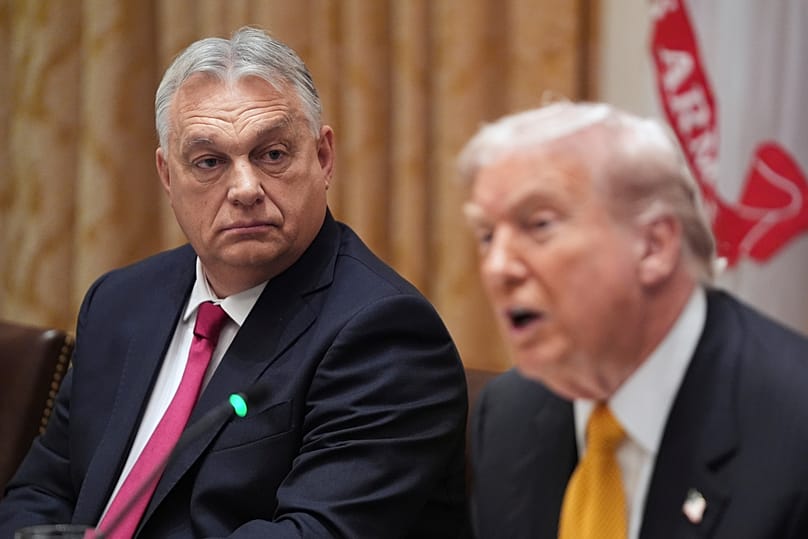
Orbán emphasized that the exemption was a result of direct negotiations with Trump, stating that it would remain in place as long as both he and the president remained in office. The agreement also included plans for Hungary to purchase US liquefied natural gas (LNG), with contracts expected to be worth around $600 million (€518.6 million). US Secretary of State Marco Rubio confirmed that the waiver would last one year.
Orbán has repeatedly stressed the importance of continued access to Russian energy for Hungary, warning that cutting off supplies could lead to an economic collapse. However, some critics dispute this claim. Despite these concerns, Orbán mentioned that he is exploring other non-legal methods to avoid falling under the EU’s planned phase-out of Russian energy, though he did not specify what those methods are.
Phasing Out Russian Energy
In early May, the EU set a deadline of 2027 for all 27 member states to phase out all remaining purchases of Russian energy, including liquefied natural gas (LNG). The process will be gradual, starting with a ban on new and short-term contracts by the end of 2025. In the second stage, long-term contracts—which account for two-thirds of Russian gas—will be terminated by the end of 2027.
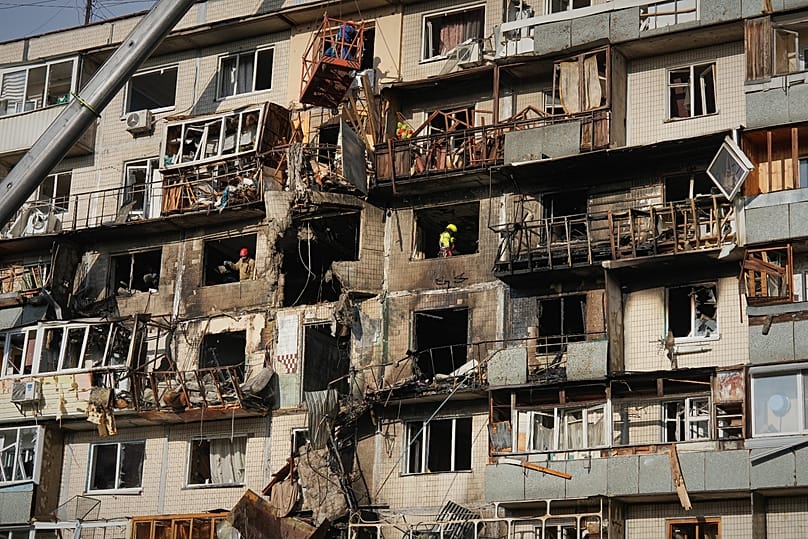
Further restrictions will also be introduced to target the shadow fleet that covertly transports Russian oil and to stop imports of Russian uranium and other nuclear materials. Each member state will be required to draft a national plan detailing how they intend to remove Russian gas, nuclear, and oil from their energy mix.
In 2024, the EU spent an estimated €23 billion on Russian fossil fuels, surpassing the military support provided to Ukraine. This imbalance has been a source of tension among member states, despite repeated calls from Kyiv to fully phase out Russian energy. No consensus has been reached on this issue.
Diverging Views Among EU Members
Several EU countries have pushed for a complete ban on Russian gas, including LNG imports. At least 10 nations—Czech Republic, Denmark, Estonia, Finland, Ireland, Latvia, Lithuania, Poland, Romania, and Sweden—signed a joint letter urging such a move. They argued that Russia’s ability to sustain its war efforts is closely tied to its energy revenues.
In contrast, Hungary and Slovakia have aligned themselves against penalties, arguing that such measures would threaten their national economies and the EU’s competitiveness. This divergence highlights the deepening rift within the bloc over how to handle Russian energy imports.