

The Judicial Service and the Ghana Shippers’ Authority have strengthened their long-standing partnership by hosting the 15th Maritime Seminar for judges of the Superior Courts of Judicature. This event, held on Friday, 31st October 2025, aimed to ensure that the nation’s Maritime, Shipping, and Logistics industry continues to thrive on a foundation of fairness, efficiency, and global best practices.
Distinguished members of the judiciary and the maritime sector reaffirmed their shared vision to align Ghana’s maritime jurisprudence with international standards, a step they believe is crucial for sustaining trade growth and investor confidence.
The two-day seminar, fully sponsored by the Ghana Shippers’ Authority (GSA) and organized in collaboration with the Judicial Training Institute (JTI), brought together judges from across the country, maritime law experts, policymakers, and industry players. The event provided a platform for discussions on how law and commerce must work together to drive Ghana’s socio-economic transformation.
Key speakers included acting Chief Justice, His Lordship Justice Paul Baffoe-Bonnie, GSA’s CEO Professor Ransford Gyampo, JTI Director Justice Imoro Osifo Amadu Tanko, and seminar chairperson Justice Emmanuel Yonny Kulendi. All emphasized that the judiciary must not only interpret the law but also shape the story of Ghana’s socio-economic development.
In his keynote address, Acting Chief Justice Baffoe-Bonnie praised the GSA and the Judicial Service for their commitment to excellence in maritime law jurisprudence. He described the seminar as a vital bridge between commerce and justice, where judges and maritime professionals learn from each other.
“The judiciary must be equipped with legal knowledge, economic insight, and an understanding of international best practices,” he said. “Justice delivered must promote rather than constrain trade.”
He highlighted the importance of Act 1122, which governs the operations of the GSA. The law, he explained, enables the judiciary to act with balance, foresight, and fairness. He reminded judges that fairness, proportionality, and timeliness are economic imperatives for Ghana’s growth as a regional shipping and logistics hub.
Professor Ransford Gyampo, CEO of the GSA, reflected on his journey from academia to leadership in the corporate sector. He admitted that the shipping and logistics industry has been both humbling and eye-opening, where theory meets reality and law meets logistics.
“Trade is Ghana’s bloodstream, the artery that connects us to the wider world,” he said. “Our duty is to protect all interests with equity and transparency. The judiciary remains the conscience of the law that gives legitimacy to every regulation.”
Prof. Gyampo reiterated the GSA’s commitment to President John Mahama’s 24-hour economy policy, emphasizing investments in digitalization, infrastructure, and compliance systems to enhance efficiency and global competitiveness.
Justice I. O. Amadu Tanko, Director of the JTI, urged the judiciary to stay ahead of global shifts in shipping, trade, and technology. He noted that the maritime world is evolving with decarbonisation, digital documentation, and artificial intelligence, creating new challenges for judicial expertise.
“Shipping is decarbonising, trade documents are going digital, and the Blue Economy concept is evolving,” he said. “These developments require sharper judicial expertise and adaptation to new evidentiary and ethical challenges.”
Justice Emmanuel Yonny Kulendi, Chairperson of the seminar, emphasized the critical role of maritime law in Ghana’s economic growth. He reminded the audience that disputes naturally follow trade, and it is the courts’ responsibility to resolve them in ways that preserve trust and predictability.
“Where commerce thrives, disagreements will inevitably arise, and the courts remain the ultimate forum for resolution,” he said. “Our effectiveness as arbiters of justice directly influences Ghana’s competitiveness and investor confidence.”
Mrs. Grace Oppong Dolphy, representing the Attorney-General and Minister for Justice, commended the GSA and Judicial Service for their continued collaboration. She reaffirmed the government’s commitment to ensuring the timely passage of the Legislative Instrument underpinning Act 1122.
Resource persons such as Justices Yaw Darko Asare and Richard Adjei-Frimpong, along with Dr. Kofi Mbiah, Esq., discussed topics including “Carriage of Goods by Sea Law in Ghana: Time for Needed Change,” “The Legal Regime for the Arrest of Ships in Ghana,” and “Security in the Maritime Domain and Ghana’s Criminal Law Regime.”
Participants engaged in lively discussions, contributing ideas to enrich the event.
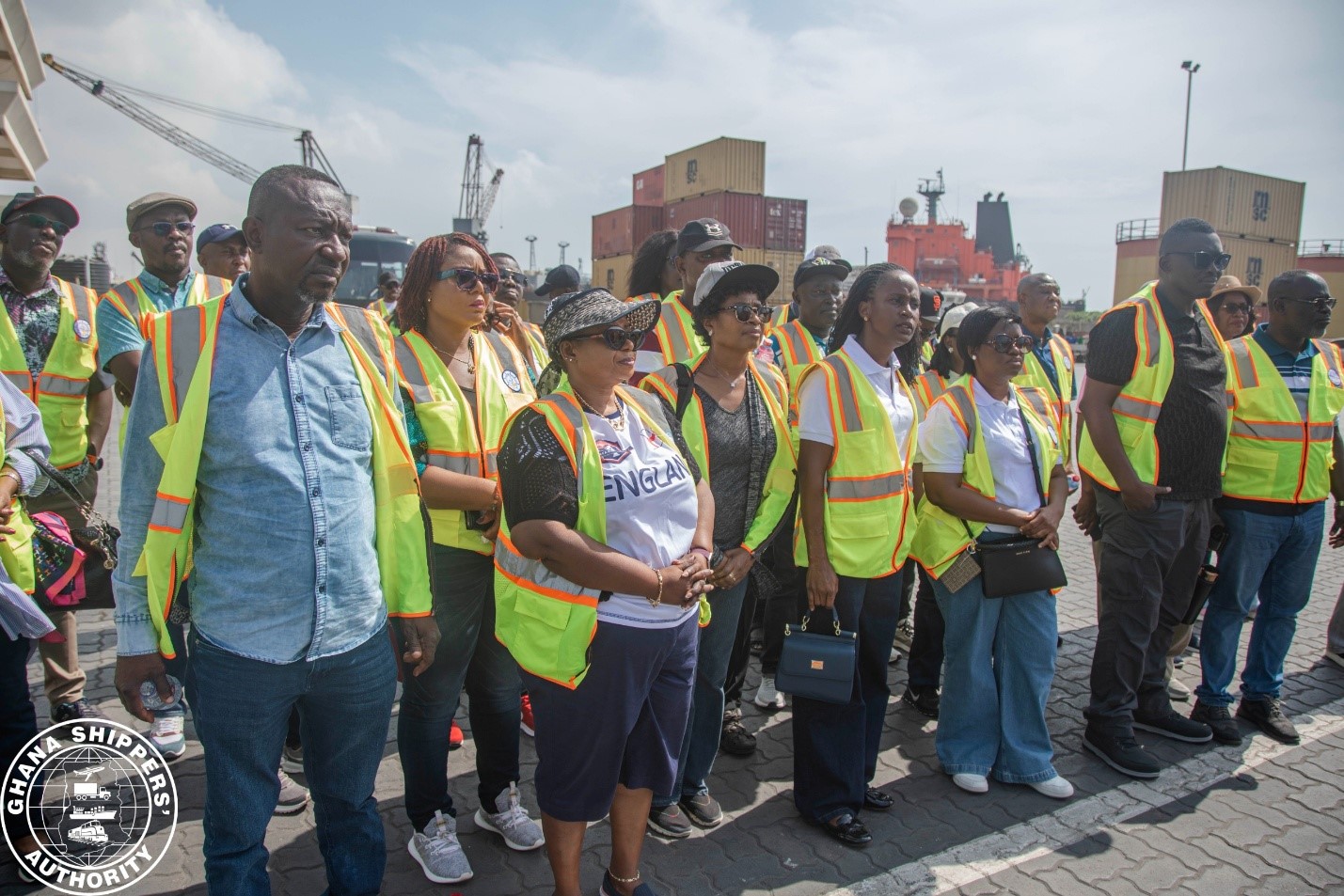
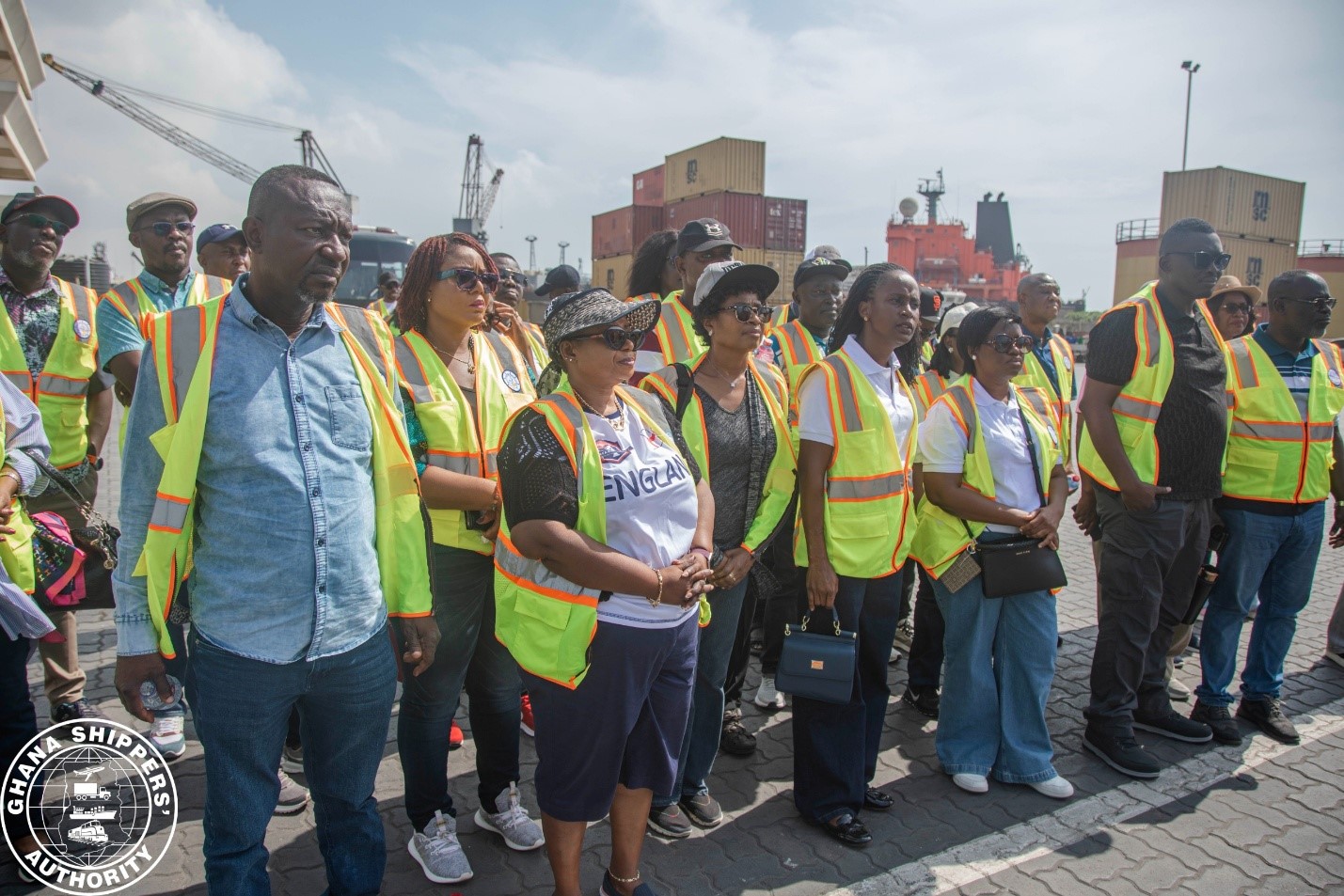
On Saturday, 1st November 2025, participating judges toured the Tema Port, gaining firsthand insights into its operations. Many described the experience as eye-opening and helpful for their work.
As the seminar concluded, one message was clear: law and trade must move together. The event underscored that the judiciary’s efficiency, insight, and fairness are central to Ghana’s ambition of becoming an international trade hub. It also reflected a growing understanding that the courts are strategic partners in nation-building.
Justice Amadu Tanko concluded, “Our courts must be both guardians of legal tradition and pioneers of judicial innovation.”
Through continuous learning and engagement with emerging technologies, the judiciary aims to ensure that justice in the maritime, shipping, and logistics industry remains relevant, robust, and globally competitive.
The 15th Maritime Law Seminar for Judges was more than an academic exercise; it was a national statement that Ghana’s courts, ports, and commerce are steering toward fairness, progress, and sustainable prosperity.