
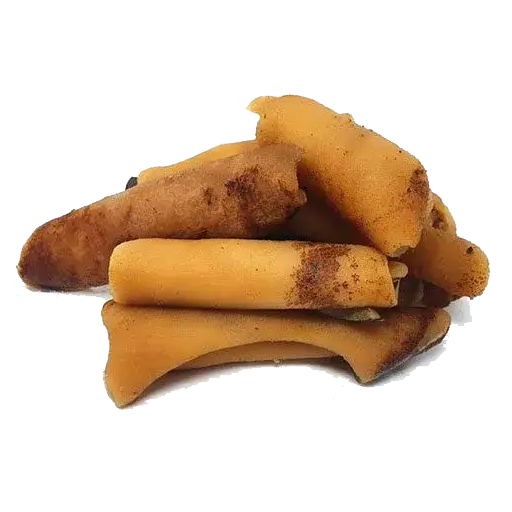
The Threat of Ponmo Consumption to Nigeria’s Leather Industry
The Federal Government has issued a warning about the ongoing consumption of hides and skins, commonly referred to as ponmo, highlighting its significant threat to Nigeria’s leather industry, which is currently valued at approximately $5 billion. This concern was raised during the National Campaign Against the Consumption of Ponmo, held in Abuja on Thursday.
Prof. Nnanyelugo Ikemounso, the Director-General of the Raw Materials Research and Development Council, emphasized that the practice of consuming ponmo deprives local industries of essential raw materials required for leather production and export. He pointed out that the Nigerian leather goods market was valued at $2.79 billion in 2024 and is expected to reach $4.96 billion by 2033. However, he warned that the continued diversion of hides for consumption could hinder this growth.
From an economic and industrial perspective, cowhides are considered one of Nigeria’s most valuable raw materials. The nation has a thriving leather industry with substantial potential for job creation, foreign exchange earnings, and contributions to GDP. Ikemounso noted that the global leather value chain is estimated to be worth between $420 billion and $1 trillion. With the right policies, infrastructure, and availability of raw materials, Nigeria could significantly increase its share of this market.
The campaign is not aimed at undermining cultural or dietary choices but rather at ensuring that hides and skins are used productively for industrial purposes. Ikemounso clarified that the initiative is not against tradition or personal food preferences but is a strategic move to prioritize the industrial use of hides and skins for leather production. This sector holds immense potential for economic growth, job creation, and export diversification.
Health and Nutritional Concerns
In addition to economic concerns, Ikemounso raised health and nutritional issues related to ponmo. He described it as a delicacy with little to no nutritional benefit, mainly composed of collagen with negligible protein or micronutrient content. This makes it a poor source of nourishment.
He also warned that many hides processed for consumption are treated with harmful substances such as formalin, diesel, and other non-food-grade chemicals, which pose serious health hazards. These include organ damage and an increased risk of cancer.
The “Wear, Not Eat Your Leather” Campaign
To address these challenges, the Raw Materials Research and Development Council launched the campaign with the slogan “Wear, Not Eat Your Leather.” This initiative aims to strengthen Nigeria’s industrial base and reduce reliance on imported raw materials.
Nigeria’s leather industry is seen as one of the country’s most promising non-oil sectors, with the potential to become a major source of export revenue and employment. However, the government has repeatedly expressed concerns that the popularity of ponmo among consumers has hindered the country’s ability to fully capitalize on the economic opportunities in the sector.
By redirecting the use of hides and skins towards industrial applications, Nigeria can enhance its competitiveness in the global leather market and unlock new avenues for economic growth. The campaign serves as a reminder of the importance of sustainable practices and the need to balance cultural traditions with industrial progress.