Strengthening Ties Between Ethiopia and Japan
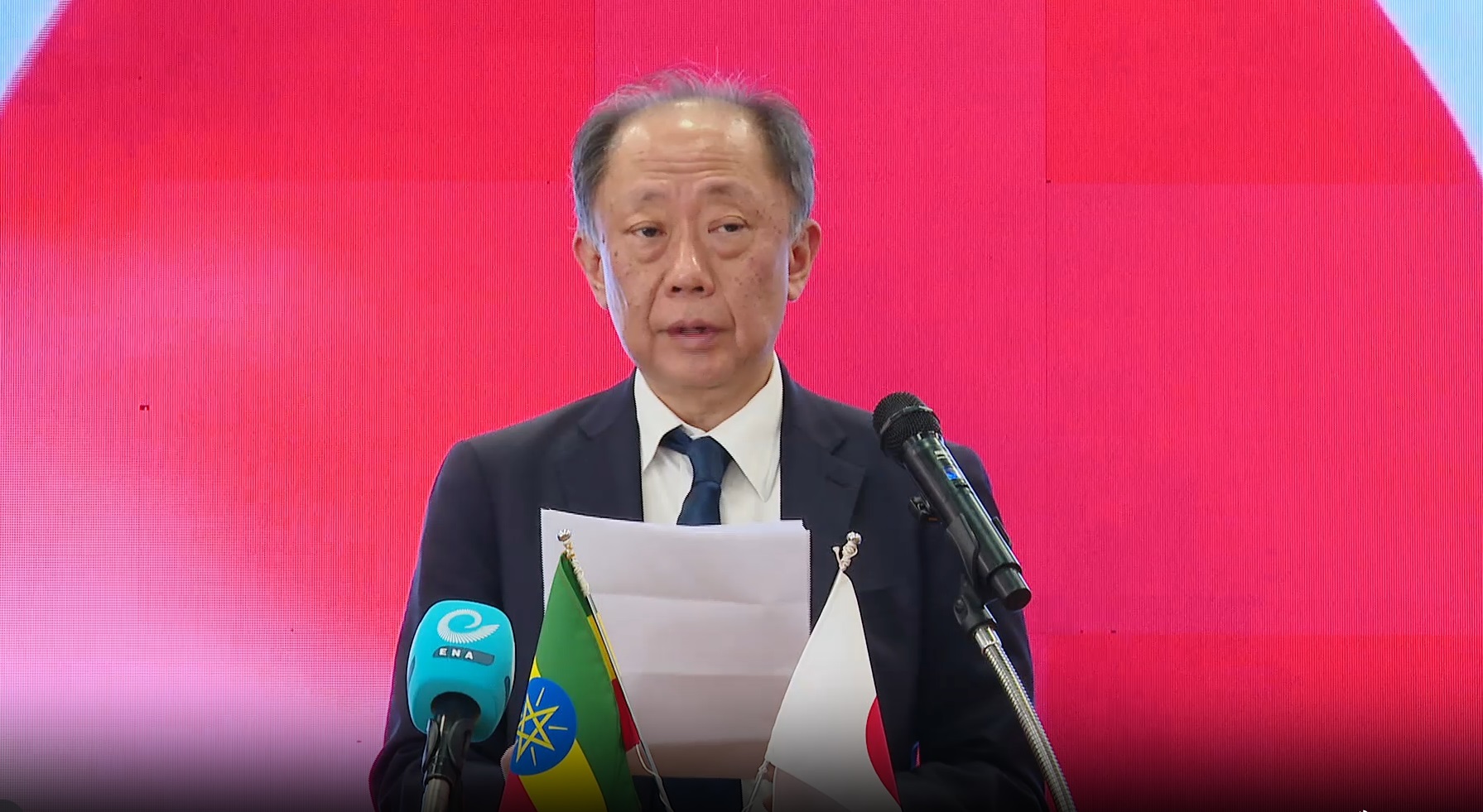
Addis Ababa, November 8, 2025 – The relationship between Ethiopia and Japan has continued to grow across various areas of cooperation, according to Japan’s Ambassador Shibata Hironori. Speaking at Japan’s Culture Day event held at the country’s embassy in Addis Ababa, he emphasized that the partnership between the two nations is a durable one, built on mutual learning, people-to-people connections, and a forward-looking agenda that includes education, health, and culture.
“This relationship represents one of Japan’s earliest diplomatic ties in Africa. Our two nations have strengthened this bond through political, economic, cultural, and people-to-people exchanges,” he stated, highlighting the formal ties established in 1930 and the increased collaboration across different sectors over the years.
Ambassador Hironori also discussed the state of development cooperation, noting that Japan’s partnership with Ethiopia has expanded significantly since 2000. He pointed out the financial and technical support provided in education, health, and agriculture, and stressed that “our cooperation remains steadfast” despite changing global dynamics.
The Ambassador pledged that Tokyo will deepen its engagement to enhance Ethiopia’s prosperity and stability. He mentioned that some students who studied in Japan through the JICA training program are now teaching at national universities such as Addis Ababa University, while many Japanese experts have been sent to almost all ministries and agencies in Ethiopia.
Strengthened ties between Ethiopian regional universities and Japanese national universities are seen as practical pathways to research and mutual understanding. These programs are central to transforming cultural appreciation into tangible development outcomes, he added.
“The government and people of Japan have cooperated and endeavored for Ethiopia’s peace and prosperity. We will continue to make our utmost efforts to deepen Japan-Ethiopia relations,” Ambassador Hironori affirmed.
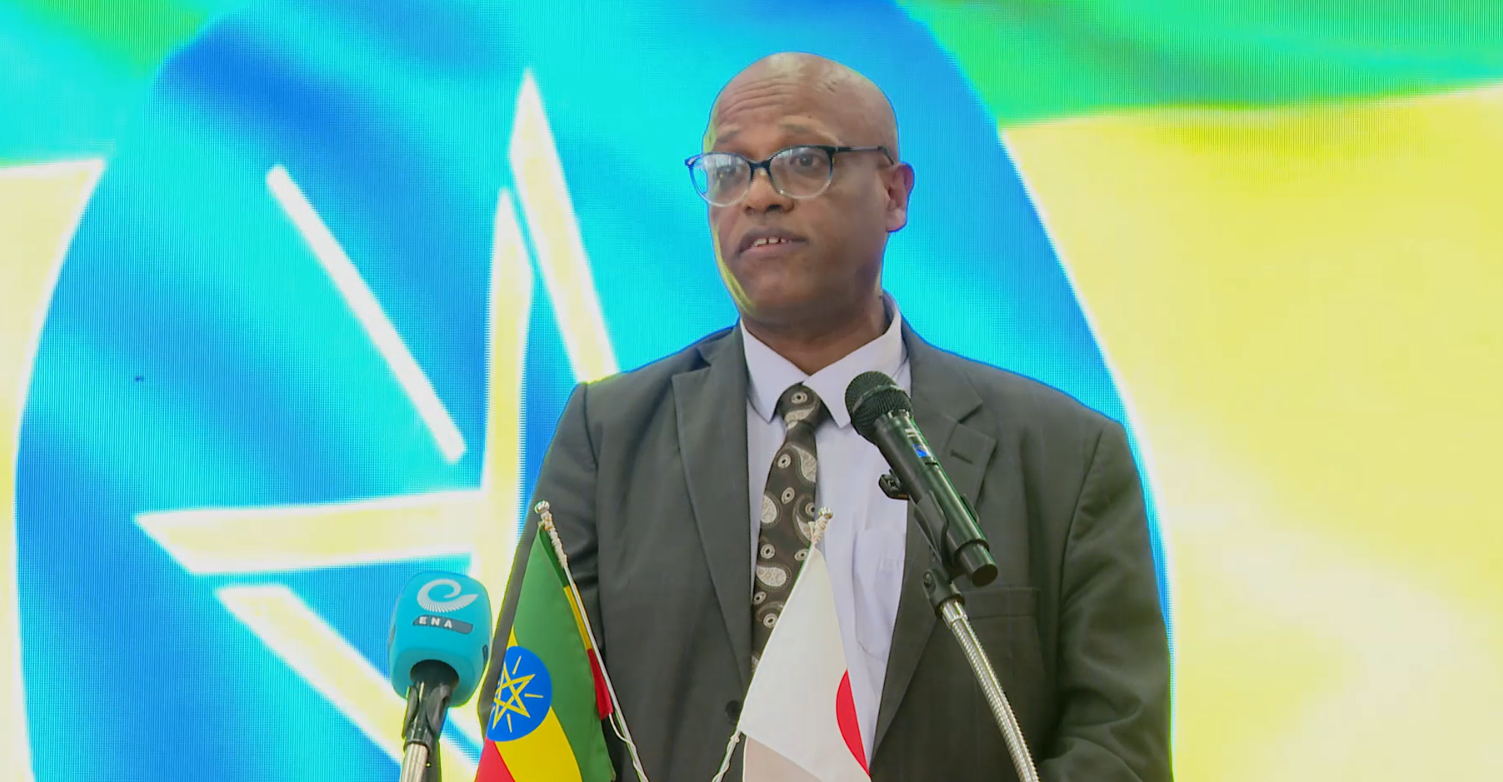
On his part, Ahmed Mohammed, Chief Executive Officer at the Ministry of Culture and Sport, emphasized the importance of continued dedication to strengthening cultural and people-to-people bonds. He described Culture Day as both a tribute to shared histories and a catalyst for future collaboration.
“This festival is a testament to the vibrant cultural exchange that continues to flourish between Ethiopia and Japan, two nations with rich histories, diverse traditions, and shared aspirations for mutual understanding,” the CEO said.
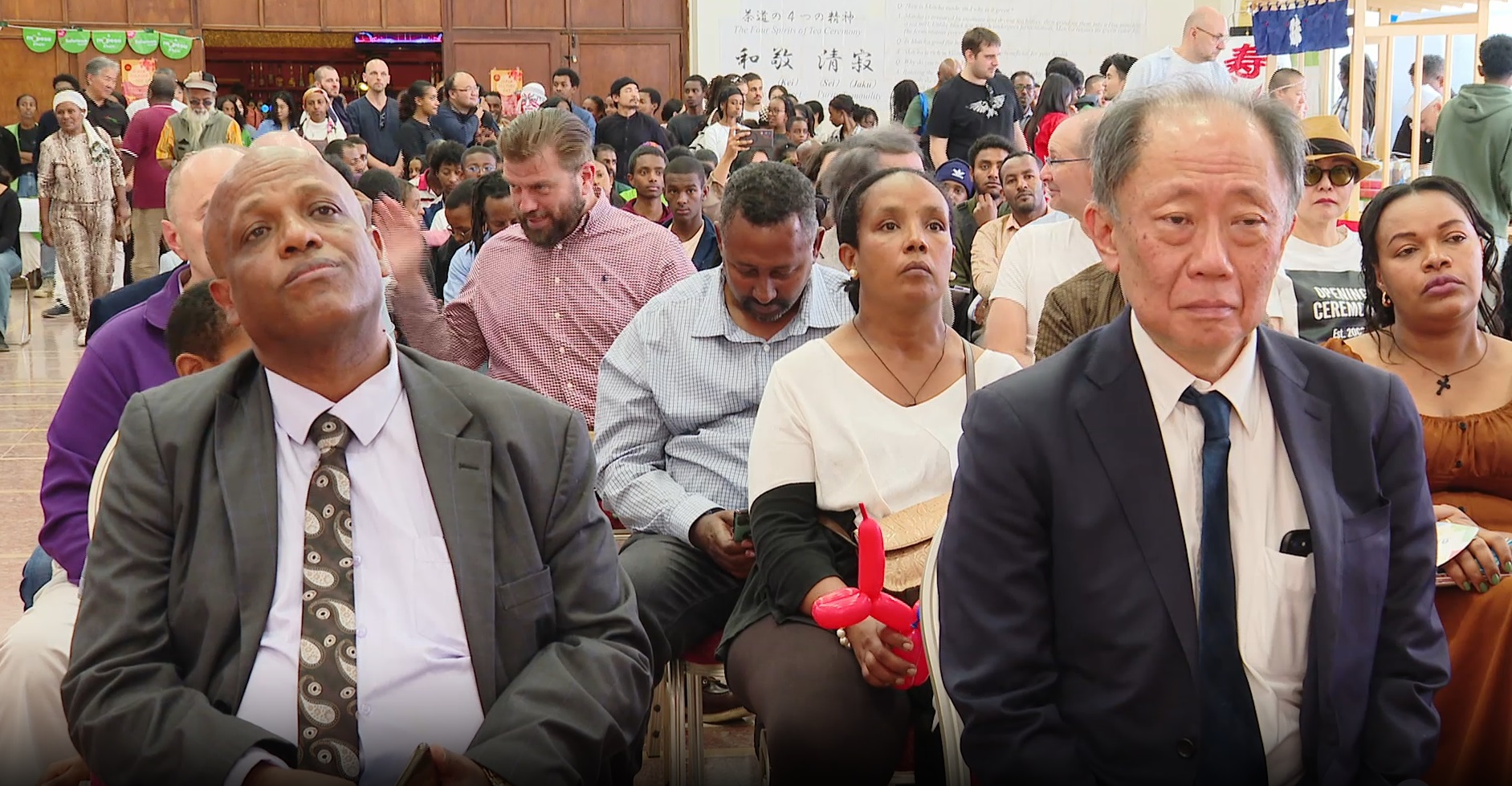
He also noted that the celebration serves as a bridge between the two countries, promoting friendship and collaboration that extends beyond the festival itself. This fosters long-term relationships and encourages ongoing dialogue between Ethiopian and Japanese communities.
According to him, the annual gathering honors the past while laying the groundwork for future connections. It inspires attendees to seek further interactions and greater understanding between these two vibrant cultures.
Key Areas of Cooperation
- Education: Japan has provided significant support in the form of scholarships and training programs, enabling Ethiopian students to study in Japan. Many of these graduates have returned to contribute to the education sector in Ethiopia.
- Health: Collaborative efforts in health care have included the provision of medical equipment, training for healthcare professionals, and joint research initiatives aimed at improving public health outcomes.
- Agriculture: Technical assistance and financial aid have been directed towards agricultural development, helping to increase food security and improve farming practices in Ethiopia.
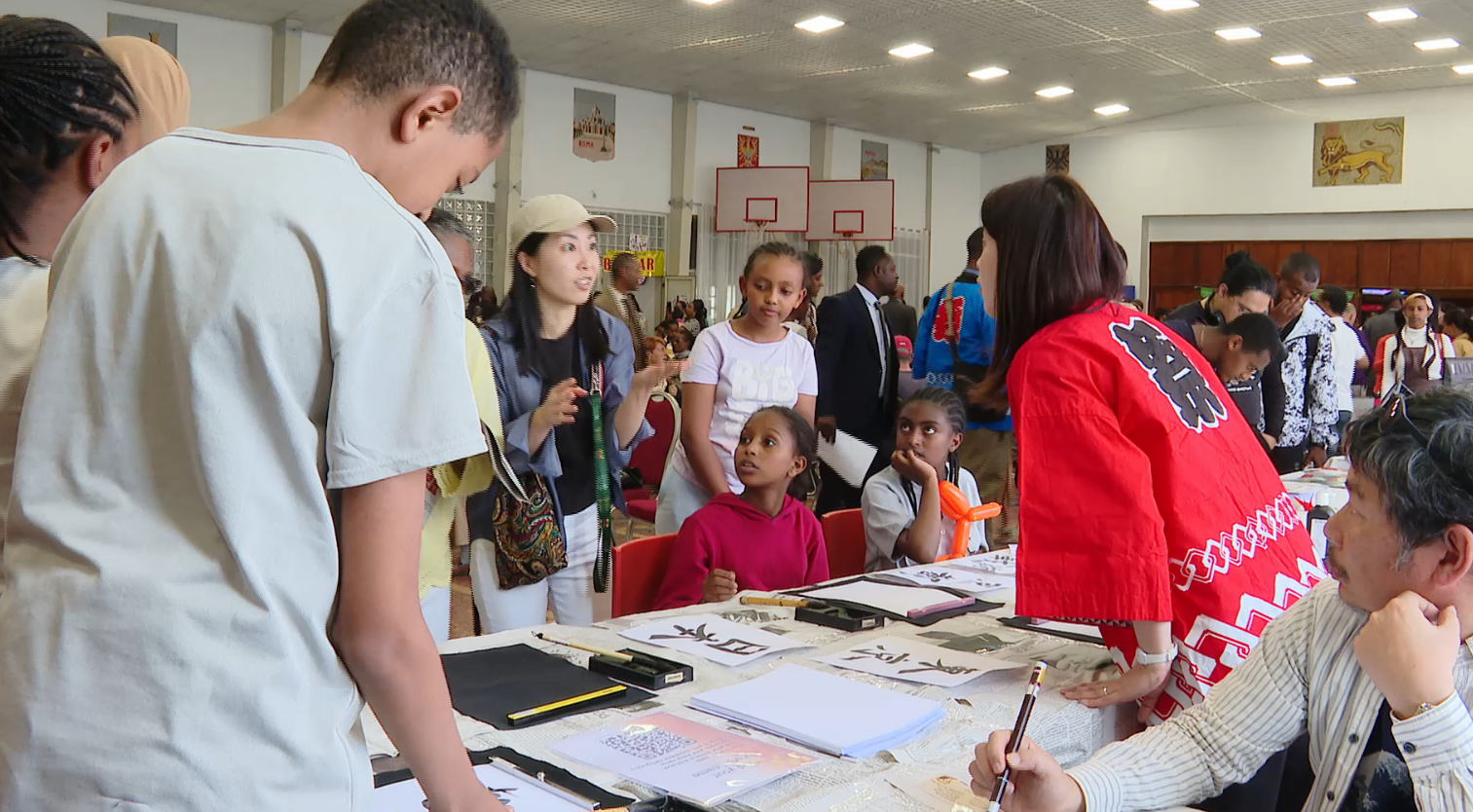
- Cultural Exchange: The exchange of cultural activities and events has played a vital role in fostering mutual understanding and respect between the two nations.
Future Prospects
The ambassador expressed confidence in the continued growth of Japan-Ethiopia relations. He highlighted the importance of maintaining strong diplomatic ties and expanding cooperation in emerging areas such as technology and infrastructure development.
Ahmed Mohammed echoed this sentiment, emphasizing the need for sustained efforts to strengthen cultural and economic ties. He encouraged continued collaboration between the two nations to build on their shared successes and address future challenges.
Conclusion
The deepening relationship between Ethiopia and Japan reflects a commitment to mutual growth and development. Through sustained cooperation in education, health, agriculture, and culture, both nations are working together to achieve common goals and foster lasting partnerships.