
The Controversial Recognition of Suharto as a National Hero
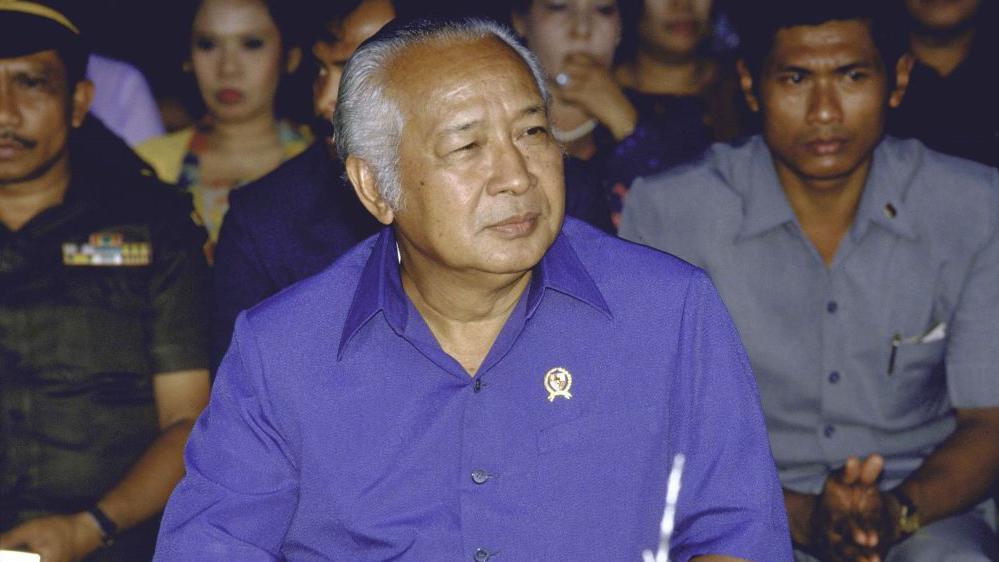
Indonesia has officially recognized former president Suharto as a national hero, a decision that has sparked significant debate and public protest. This move comes despite Suharto’s controversial legacy as a dictator who ruled the country from the 1960s to the 1990s. During his New Order regime, Indonesia experienced rapid economic growth, but it was also marked by severe political repression and human rights abuses.
Suharto’s rule is associated with the deaths of hundreds of thousands of political dissenters, an estimated half a million people during the 1965 coup. His administration was characterized by widespread torture, disappearances, and the suppression of civil liberties. Additionally, his military invasion of East Timor in 1975 was one of the most brutal operations of the Cold War era.
The national hero award is an annual event meant to honor individuals for their contributions to the country. On Monday, Suharto was among ten new names added to the list, during a ceremony presided over by current Indonesian President Prabowo Subianto, who was once Suharto’s son-in-law. Suharto’s children received the award at the state palace in Jakarta.
According to a voiceover in the presidential office’s livestream of the ceremony, Suharto “rose to prominence during Indonesia’s independence period” and “led the disarmament of Japanese troops” during a battle in Yogyakarta in 1945. However, the recognition of Suharto as a national hero has been met with strong opposition from civil society groups.
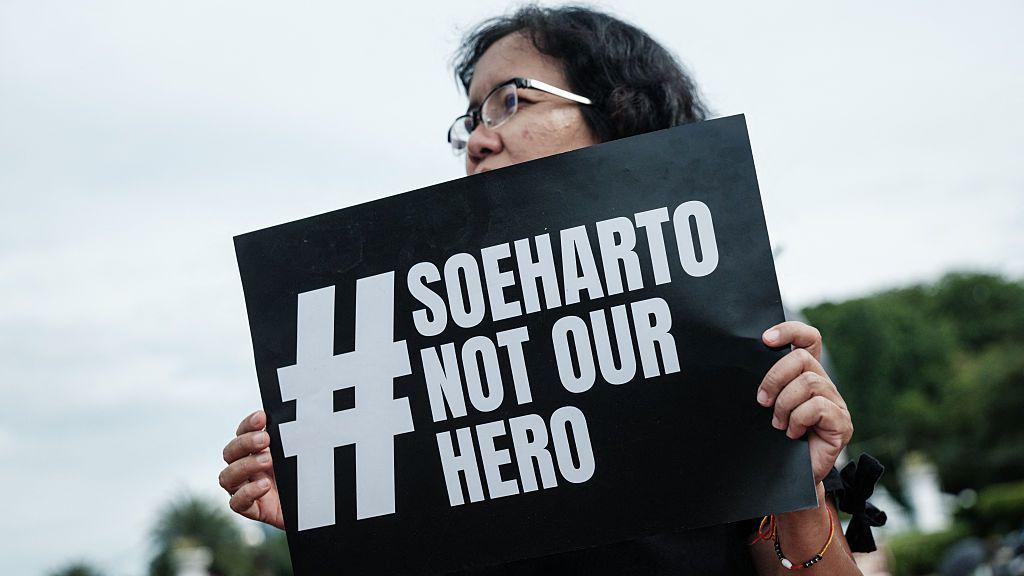
Last week, around 100 people gathered in Jakarta to protest Suharto’s nomination, while nearly 16,000 have signed an online petition calling for the same. Another protest is planned for today, with hundreds of security personnel deployed in anticipation of the demonstrations. Amnesty International Indonesia criticized the move, stating it would be an attempt to “whitewash the sins of Suharto’s authoritarian regime,” calling it an “attempt to distort history.”
A Legacy of Development and Repression
Despite the controversies surrounding his regime, Suharto’s long rule undeniably shaped modern Indonesia. His focus on development and stability led to significant economic growth. During his three decades in power, Indonesia’s economy grew at an average of 7% every year, while inflation dropped from over 600% in 1966 to around 10% in 1997. Today, Indonesia is Southeast Asia’s largest economy.
Suharto took great pride in being called “Bapak Pembangunan,” or father of development. However, he has been accused of embezzling billions of dollars while in power. In 1998, amid overwhelming opposition during the financial crisis, he stepped down, allowing a relatively peaceful transition of power.
Many Indonesians may remember the positive aspects of Suharto’s rule more than the negatives. He received a state funeral when he died in 2008 at the age of 86. For over a decade, Suharto’s supporters have campaigned to designate him a national hero. However, these efforts were hindered by his controversial legacy.
Last year, the election of Prabowo, his former son-in-law, raised concerns about historical revisionism. Prabowo praised the former dictator’s regime during his election victory speech. Since then, his administration has attempted to publish new history books that critics claim downplay atrocities during the New Order era.
Prabowo, himself a former military general, was accused of rights abuses and war crimes under the Suharto regime. He is most notorious for allegations that he commanded a unit which abducted and tortured several democracy activists during the late 1990s. Of the 23, some survived, one died, and 13 remain missing.
Honoring Others Alongside Suharto
In addition to Suharto, Indonesia’s fourth president Abdurrahman Wahid—known locally as Gus Dur—and labor activist Marsinah were also honored on Monday. Both were opponents of Suharto, and the decision to award them the same national hero title may help ease tensions with human rights campaigners.
Marsinah, an activist and factory worker, was kidnapped and killed in 1993. Her death became a symbol of the struggle for workers’ rights in Indonesia and the repression under Suharto’s rule. Gus Dur, who died in 2009, had a famously rocky relationship with Suharto. He publicly challenged the critic Suharto while maintaining pragmatic cooperation. For many years, he was a liberal voice of tolerance and an advocate for a more democratic Indonesia.