
Air Pollution and Weather Conditions in Karachi and Islamabad
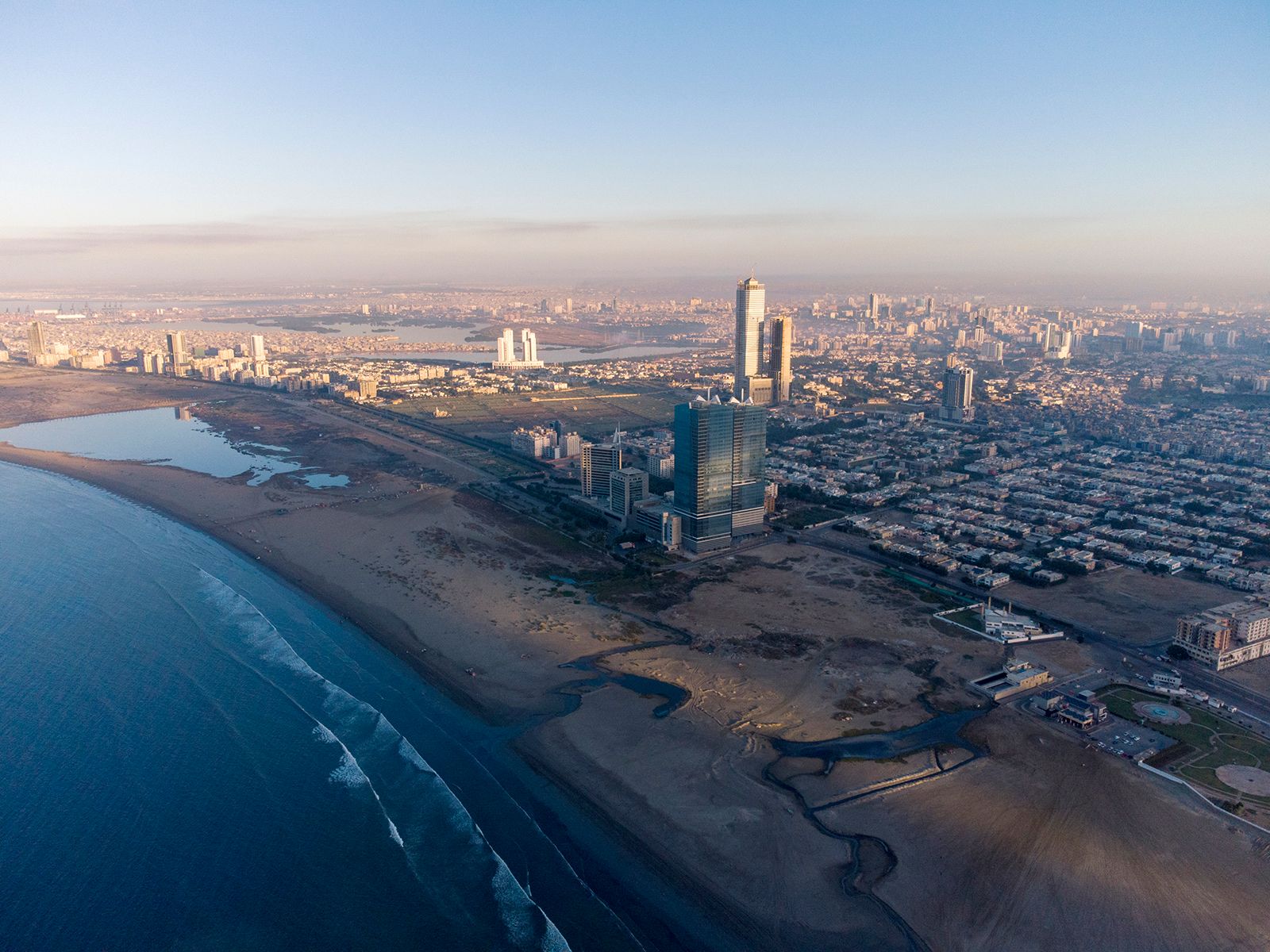
Karachi continues to face significant air quality challenges, ranking sixth among the most polluted cities globally and eighth within Pakistan. The city’s air quality is currently classified as unhealthy, with particulate matter levels reaching 161. This level of pollution poses serious health risks to residents, especially those with respiratory conditions. The weather in Karachi is expected to remain hot and dry throughout the day today, contributing to the accumulation of pollutants in the atmosphere.
Weather Outlook for the Federal Capital
In contrast, the federal capital, Islamabad, will experience a different weather pattern. The city is expected to remain dry during the day today, with no likelihood of rain in the next 24 hours. However, the temperature is set to drop compared to previous days. Specifically, the temperature has decreased by 8 degrees Celsius from the previous days, and it is anticipated to reach 24 degrees Celsius today.
The morning temperatures in Islamabad are recorded at 13 degrees Celsius, while winds are expected to blow at a speed of 7 kilometers per hour throughout the day. Additionally, the humidity ratio in the air is above 55 percent, which may make the weather feel more humid despite the overall dry conditions.
Impact of Weather on Daily Life
The combination of high temperatures and low humidity in both cities can have a significant impact on daily life. Residents are advised to take necessary precautions, such as staying hydrated and limiting outdoor activities during peak heat hours. In Karachi, where air pollution is a critical concern, individuals should consider using masks when venturing outside and avoid prolonged exposure to the polluted air.
In Islamabad, the cooler mornings and evenings offer some respite from the daytime heat. However, the overall dry conditions mean that water conservation remains important. The lack of rainfall also raises concerns about the availability of water resources in the region, particularly in areas that rely on seasonal precipitation.
Long-Term Weather Trends
Meteorological experts suggest that the current weather patterns in both cities are part of a broader trend influenced by regional climate changes. The increasing frequency of hot and dry weather conditions highlights the need for improved urban planning and environmental policies to mitigate the effects of climate change. Efforts to reduce air pollution, such as promoting public transportation and enforcing stricter emissions standards, are essential to improving air quality in cities like Karachi.
Preparing for Future Conditions
As the weather in both cities remains unpredictable, it is crucial for residents to stay informed about local weather forecasts and air quality reports. Using reliable sources for updates can help individuals make informed decisions about their daily routines. Additionally, communities should focus on long-term strategies to combat environmental challenges, including investing in green spaces and sustainable infrastructure.
Conclusion
The current weather conditions in Karachi and Islamabad reflect the ongoing challenges posed by air pollution and climate variability. While immediate actions such as monitoring air quality and adjusting daily activities are necessary, there is also a need for sustained efforts to address the root causes of these issues. By working together, governments, organizations, and individuals can contribute to creating healthier and more resilient environments for future generations.