
World Immunization Day in Pakistan: A Focus on Health and Equity
World Immunization Day serves as a reminder of the critical importance of vaccines in protecting public health. In Pakistan, this day is marked by renewed commitments to ensure that every child, regardless of where they live, has access to life-saving immunizations. The Federal Directorate of Immunization (FDI) plays a central role in this effort, working tirelessly to accelerate routine immunization programs and reach even the most remote communities across the country.
The Expanded Program on Immunization (EPI) is a nationwide initiative aimed at providing essential vaccines to all children. This program has been instrumental in reducing the burden of preventable diseases and saving countless lives. Basic immunization remains a cornerstone of Pakistan’s public health strategy, with significant progress made in preventing illnesses that once claimed millions of young lives.
This year’s celebrations have been particularly notable due to the successful rollout of the HPV vaccination campaign. Supported by various partners, this initiative has already protected thousands of adolescent girls from cervical cancer, marking a major step forward in the fight against preventable diseases. The HPV vaccine is a powerful tool in improving long-term health outcomes and reducing the incidence of one of the most common cancers among women.
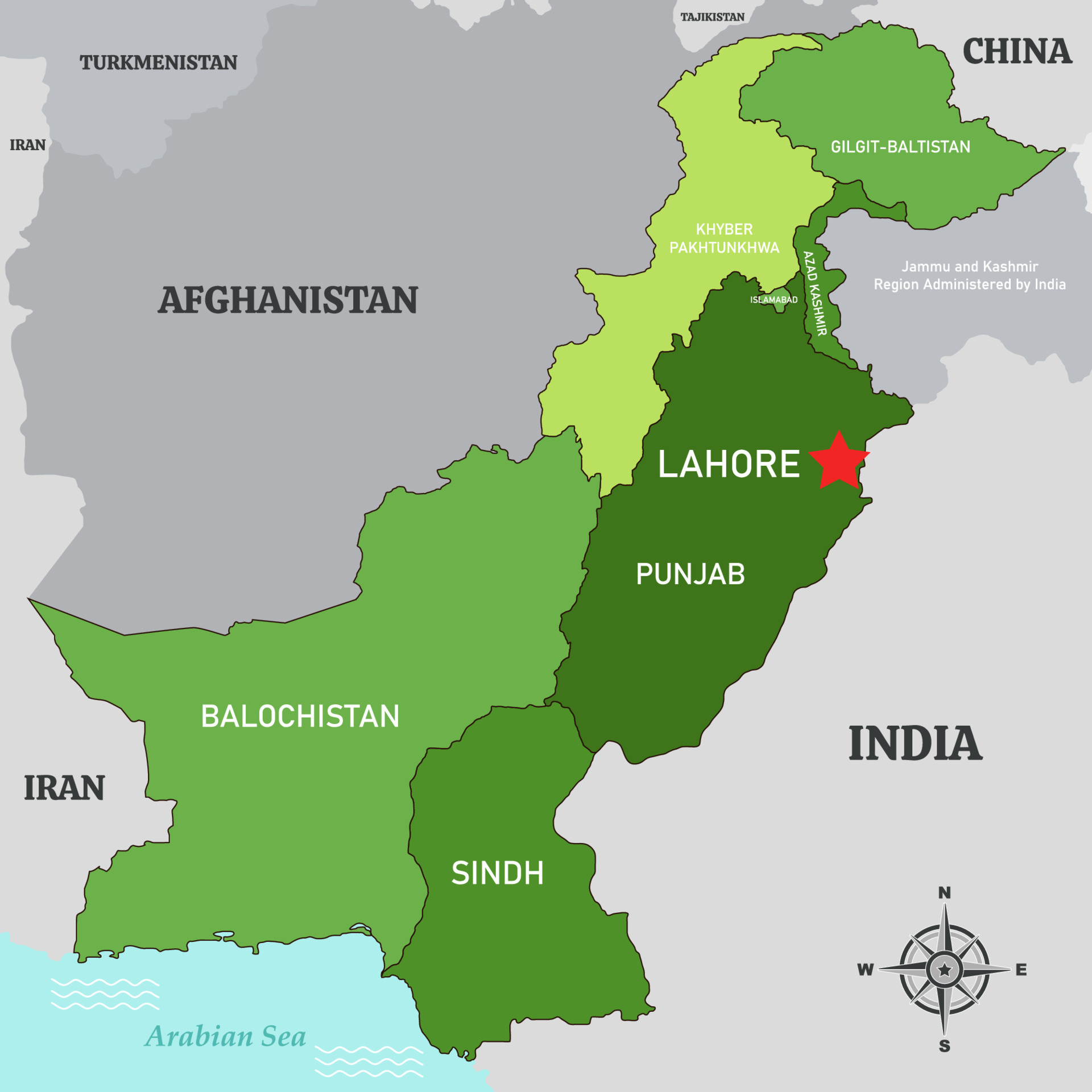
However, despite these achievements, challenges remain, especially in reaching hard-to-access areas. Regions such as Balochistan and Khyber Pakhtunkhwa (KP) continue to face significant barriers in ensuring that all children receive the necessary vaccinations. These challenges are often linked to geographic isolation, limited healthcare infrastructure, and socio-economic factors that hinder access to essential services.
In Balochistan, efforts are being made to address these gaps through collaborative initiatives. The CSO Dopasi Foundation is playing a key role in generating demand for immunization services and providing logistical support to the provincial health department. Their work includes community engagement, education, and mobilization to ensure that more children can benefit from the EPI. These activities are crucial in closing immunization gaps and bringing the province closer to achieving national health targets.
The success of these programs depends not only on the efforts of government agencies but also on the support of local organizations, international partners, and the broader community. Public awareness campaigns, training for healthcare workers, and improved supply chain management are all essential components of a comprehensive immunization strategy.
As Pakistan continues to make strides in expanding its immunization coverage, it is clear that sustained investment and collaboration will be necessary to overcome existing challenges. The progress made so far demonstrates the potential for further improvements, especially when resources are directed towards the most vulnerable populations.
By prioritizing immunization, Pakistan is taking a proactive approach to safeguarding the health of its citizens. The lessons learned from past initiatives and the successes achieved in recent years provide a strong foundation for future efforts. With continued commitment and innovation, the goal of universal immunization can become a reality for all children in the country.