
Vietnam’s economic landscape is showing promising signs, driven by a combination of high-value manufacturing, diverse agricultural products, and stable policies. These factors are contributing to sustained foreign capital inflows, according to Suan Teck Kin, Executive Director and Head of Research at UOB.
Insights from Suan Teck Kin
During an interview at the “Gateway to ASEAN” conference in Singapore, themed “Re-shaping global supply chains,” Suan Teck Kin shared his perspectives on Vietnam’s economic trajectory. He highlighted that Vietnam’s exports have shown consistent growth, especially in the first nine months of 2025. This reflects a shift in global orders towards the country. Political and policy stability, along with favorable fundamentals and a strategic location, make Vietnam an attractive long-term choice for many international investors.
To maintain strong Foreign Direct Investment (FDI) over the next two years and contribute to the national goal of raising GDP per capita to $8,500 by 2030, he suggested prioritizing infrastructure improvement and enhancing national competitiveness.
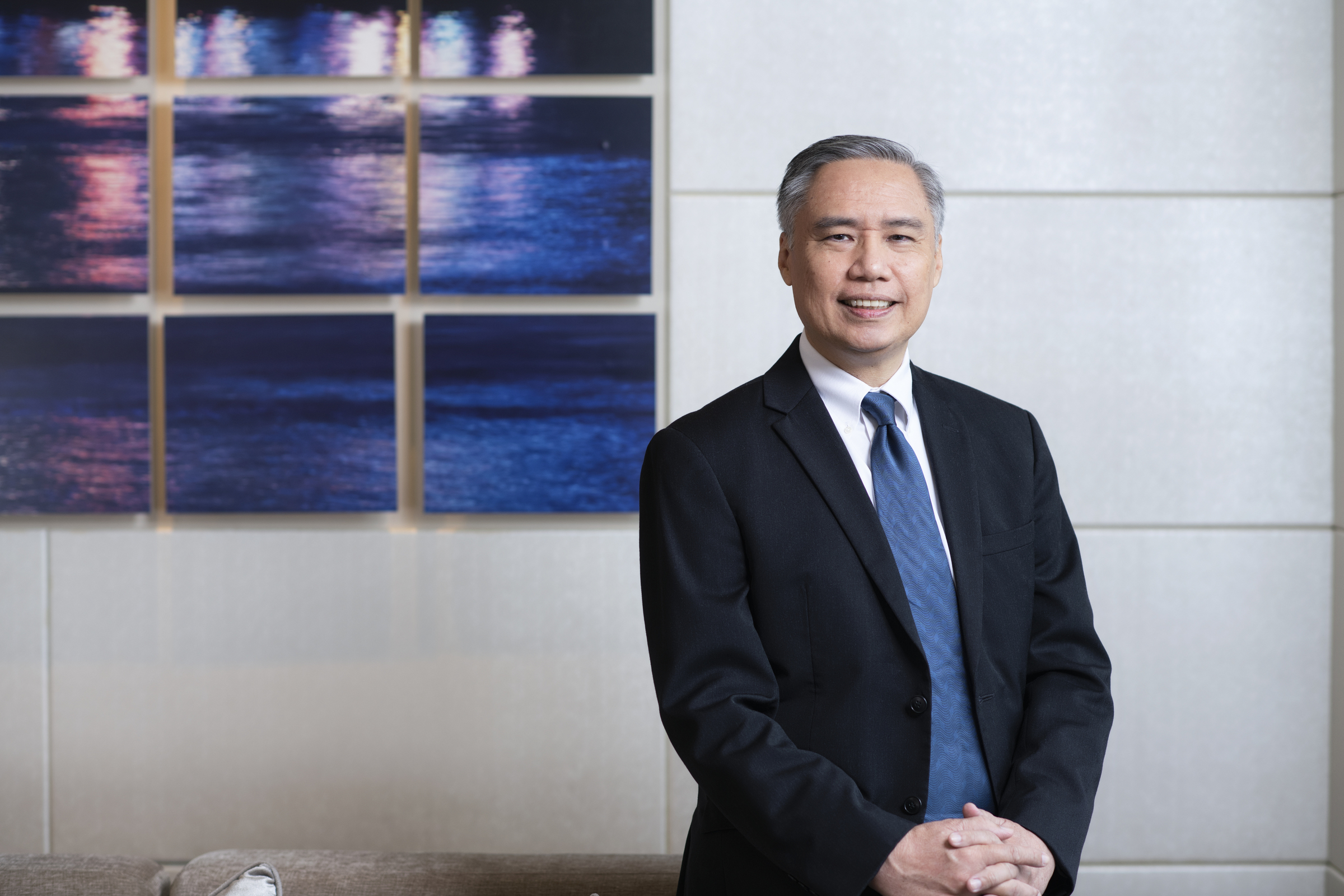
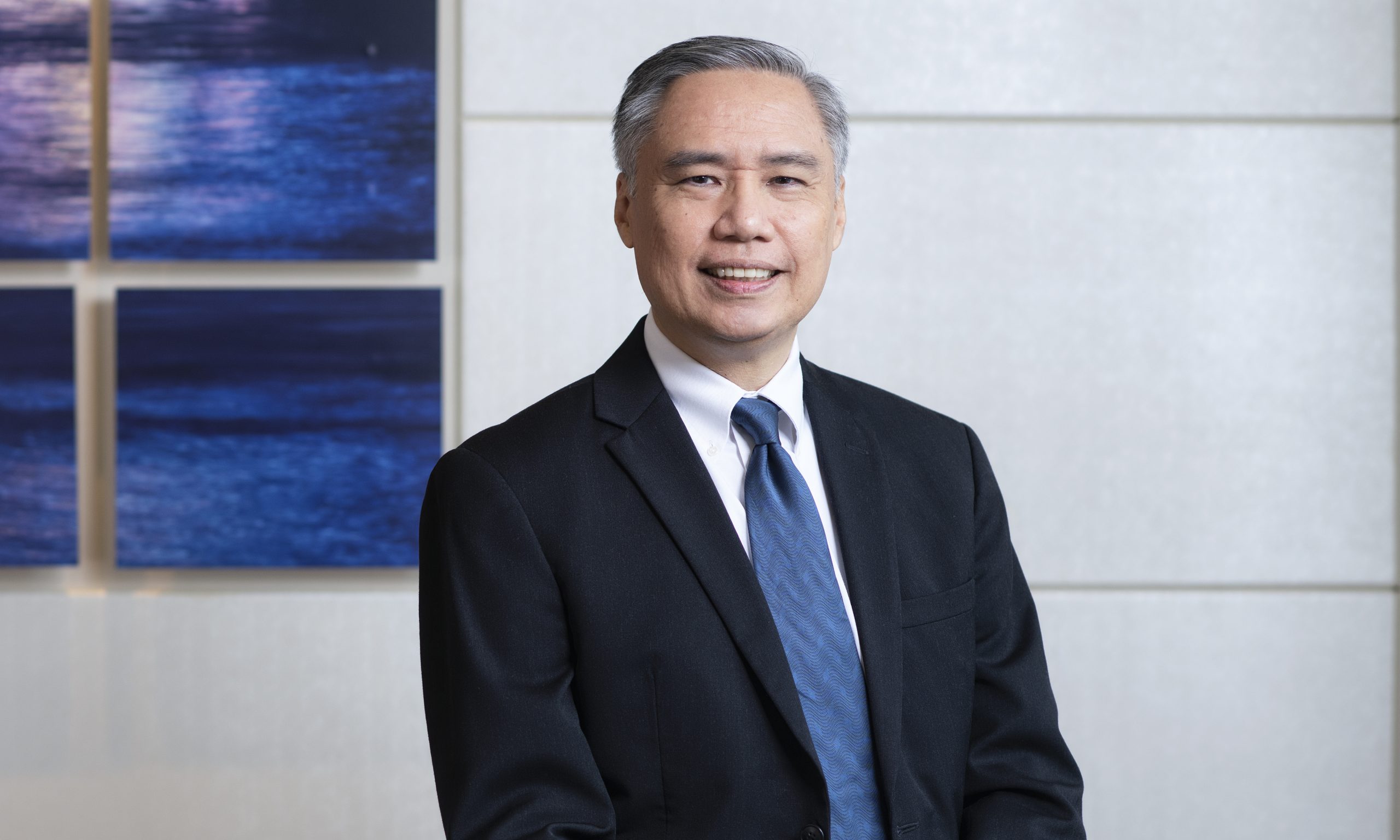
Suan Teck Kin, Head of Research & Executive Director for Global Economics & Markets at UOB. Photo courtesy of UOB
Economic Growth Outlook for 2025–2026
In the Q3 2025 report, our full-year growth forecast for Vietnam was upgraded to 7.7%. The outlook toward the end of 2025 remains positive, thanks to the strong performance in the first three quarters, particularly in exports.
Vietnam is currently among the fastest-growing economies in ASEAN, with a projection of more than 7%, outpacing Indonesia (5%), Malaysia (4.6%), Singapore (3.5%), and Thailand (2%). Manufacturing is the key differentiator and driver, generating higher added value than resource-driven sectors like agriculture or mining, which reinforces Vietnam’s strong regional position.
Key Macro Factors for Attracting Foreign Investors
Two domestic factors are crucial in keeping Vietnam attractive to foreign investors: Vietnam’s policies remain investor-friendly, and its political stability ensures the predictability and safety that international investors demand.
Globally, the push for supply-chain diversification into ASEAN is becoming a clear trend, with Vietnam as a central link. Investors are planning at least three years ahead to ensure access to key markets like the U.S., Europe, and ASEAN. Given its strategic location and stability, Vietnam is exceptionally well-positioned to capture this investment wave. Furthermore, ASEAN itself is the world’s fourth-largest market, with 700 million people and a GDP of more than $4 trillion, which creates a strong appeal for businesses setting up in Vietnam.
Sectors with Potential for Attracting FDI
Alongside processing and manufacturing, the agriculture sector holds significant potential. Vietnam produces diverse agricultural products—such as cashews, rice, and dragon fruit—but international branding strategies remain underdeveloped. Improving productivity, quality, packaging, and marketing can diversify exports and reduce the current reliance on manufacturing.
Take Singapore, for example. It’s not an agricultural exporter, yet brands like TWG have become world-renowned tea brands despite the country’s lack of a natural agricultural advantage. This demonstrates the immense power of packaging and marketing. Vietnamese products like coffee, durian, tea, and cashews can absolutely follow this path with a global focus on packaging, strong communication, branding, and an emphasis on the quality experience.
UOB Branch Office in Ho Chi Minh City. Photo courtesy of UOB
Strategies for Capitalizing on Advantages
The “China + 1” or “China + N” strategies will continue to influence ASEAN, including Vietnam, as companies diversify production to mitigate risks from tariffs and supply-chain disruptions and to expand markets for their products.
Green growth also offers major opportunities. Vietnam has a geographic advantage with its long coastline for solar and wind energy, creating the potential to support its own consumption and join a unified ASEAN power grid. Clean energy will be a key factor in long-term development.
Finally, infrastructure must be a priority—covering roads, ports, airports, and social and digital infrastructure like healthcare and education. China’s dramatic economic progress over the past four decades stemmed largely from early and massive infrastructure investment. If Vietnam’s infrastructure doesn’t keep pace with investment flows, lack of talent supply, congestion, and rising logistics costs could significantly reduce the country’s appeal to investors.
Medium-Term Outlook for Vietnam
Vietnam’s FDI this year has been positive, attracting $18.8 billion in the first nine months, which annualizes to match last year’s result. However, next year, some companies will inevitably reassess macro conditions, particularly in industries like wood manufacturing, which have been heavily affected by global headwinds.
In the long term, Vietnam aims to raise GDP per capita from over $4,000 today to $8,500 by 2030. With an average annual growth of around 7%, this goal is absolutely achievable. That said, strong and synchronized infrastructure development is critical to effectively seize opportunities and address challenges as they arise.