
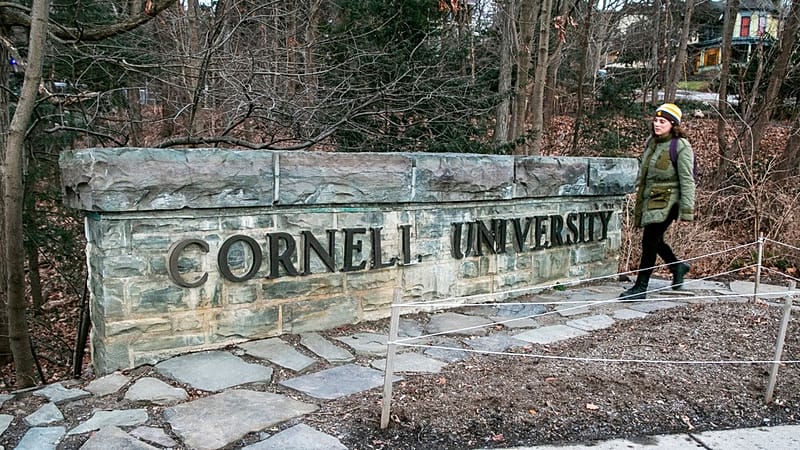
Cornell University Settles with Trump Administration for $60 Million
Cornell University has entered into a significant agreement with the U.S. government, paying $60 million (€51.9 million) and accepting the Trump administration’s interpretation of civil rights laws to restore federal funding and end ongoing investigations into the Ivy League institution.
Cornell President Michael Kotlikoff announced the deal on Friday, emphasizing that it upholds the university’s academic freedom while restoring over $250 million (€216 million) in research funding that had been withheld during the investigations. The funding freeze, according to Kotlikoff, had disrupted research projects, affected faculty and student careers, and threatened the future of several academic programs.
As part of the agreement, Cornell will pay $30 million (€25.9 million) directly to the U.S. government and an additional $30 million toward research aimed at supporting American farmers. This move is seen as a step toward aligning with the administration’s priorities.
The agreement comes amid a broader pattern of negotiations between the Trump administration and elite institutions that have faced accusations of fostering antisemitism and promoting far-left ideologies. While Trump has clashed with Harvard University, he has also taken an incentive-based approach by offering preferential access to federal funding for other schools that align with his political agenda.
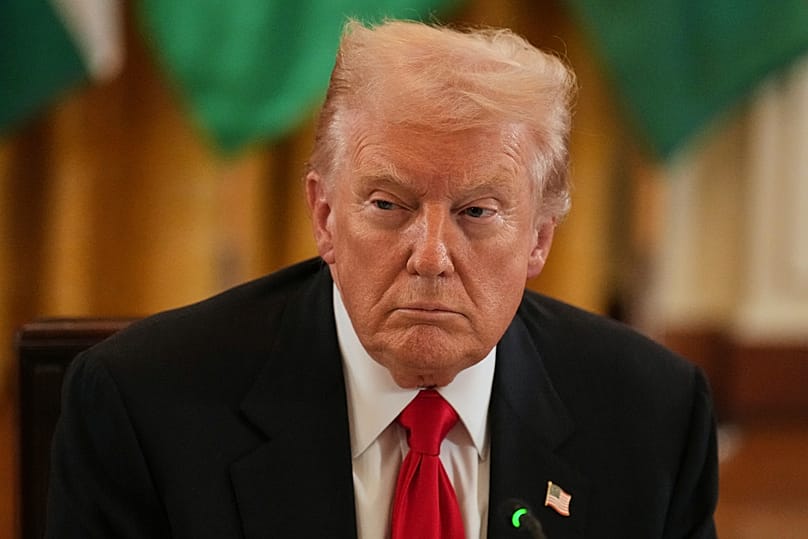
Kotlikoff stated that the agreement renews the university’s partnership with the federal government while reaffirming its commitment to academic freedom, independence, and institutional autonomy. He emphasized that these values have been central to Cornell’s excellence since its founding.
The six-page agreement mirrors one signed by the University of Virginia earlier this month. It is shorter and less prescriptive compared to agreements reached by Columbia University and Brown University. However, it still raises concerns among some academic leaders.
A statement from Cornell’s chapter of the American Association of University Professors noted that the deal omits some of the more controversial provisions found in previous agreements. Despite this, the statement warned that the agreement could still pose a threat to academic freedom and may exceed legal requirements.
David Bateman, president of the chapter, expressed concerns about the nature of such agreements. “One of the major concerns with these agreements generally has been, if you make a deal with somebody when they’re just extorting you, well, that only encourages future extortion,” he said in an interview.
Key Provisions of the Agreement
The agreement requires Cornell to comply with the government’s interpretation of civil rights laws concerning issues such as antisemitism, racial discrimination, and transgender matters. A U.S. Justice Department memo, which instructs colleges to abandon diversity, equity, and inclusion (DEI) programs and transgender-friendly policies, will serve as a training resource for faculty and staff.
Additionally, the campus must provide extensive admissions data that the government has separately requested from other institutions to ensure that race is no longer a factor in admissions decisions. This follows Trump’s suggestion that some campuses are ignoring a 2023 Supreme Court decision that ended affirmative action in admissions.
Education Secretary Linda McMahon praised the reforms, calling them a transformative commitment focused on “merit, rigour, and truth-seeking.” She stated that these changes represent a significant win in the effort to restore excellence to American higher education.
US Attorney General Pam Bondi highlighted the value of universities working with the administration. She emphasized that institutions receiving federal funding must fully adhere to federal civil rights laws and ensure that harmful DEI policies do not discriminate against students.
Cornell’s president is required to personally certify compliance with the agreement each quarter. The deal between the university and the Trump administration is set to remain in effect until the end of 2028.