
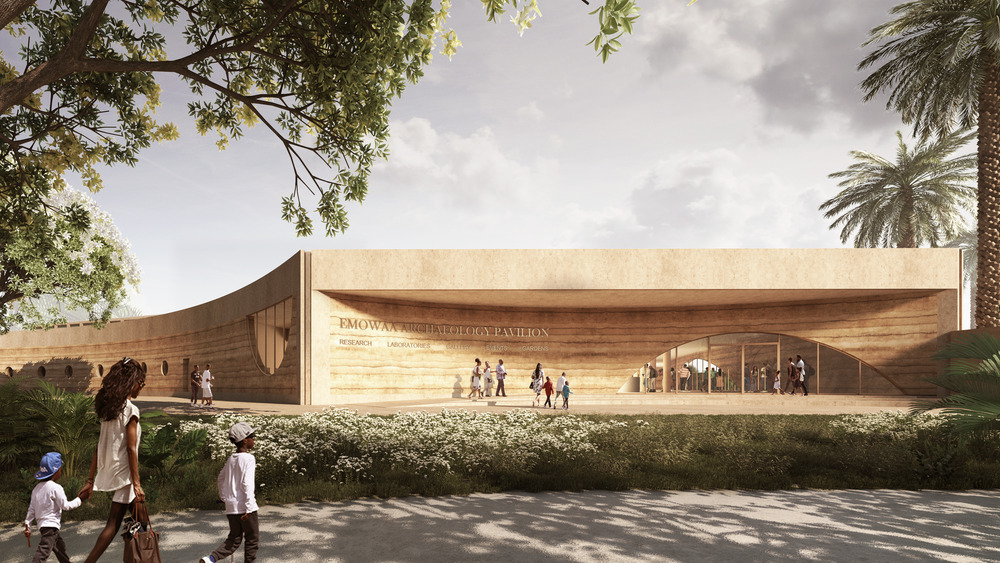
The Revocation of MOWAA’s Certificate of Occupancy
The Museum of West African Art (MOWAA) in Benin City, Edo State, has become the center of a growing controversy. On Monday, Governor Monday Okpebholo took a significant step by officially revoking the museum’s Certificate of Occupancy. This decision marks a turning point in the ongoing debate surrounding the land and its future use.
In a letter dated October 21, 2025, titled “Land Use Decree 1978: Revocation of Statutory Rights of Occupancy pursuant to Sections 28 and 38,” Governor Okpebholo outlined the reasons for this action. He stated that the revocation was carried out in the interest of the public. The land in question is to be returned to the State Central Hospital, an institution with a long history of serving Edo State.
The letter emphasized that the governor exercised his powers under Sections 28(1) and 38 of the Land Use Decree No. 6 of 1978. It also mentioned that all other enabling laws were taken into consideration before making the decision. The document states:
“Notice is hereby given that in exercise of the powers conferred upon me by Sections 28(1) and 38 of the Land Use Decree No. 6 of 1978, and by virtue of all other enabling laws, I, SEN. MONDAY OKPEBHOLO, Governor of Edo State, hereby revoke the Statutory Right of Occupancy granted to Edo Museum of West Africa Art Trust (EMOWAA) Ltd/GTE for overriding public interest, to be returned to Central Hospital, a heritage of the state for over 100 years.”
The property that has been revoked is designated as Digital Plot No. 61977, located in Zone HI/A12/Ogboka, Benin City. It spans approximately 6.210 hectares within the Oredo Local Government Area. The boundaries of the land are detailed in the survey attached to the Certificate of Occupancy issued on 28 November 2022. This certificate is registered as No. 169, Page 3, Volume 45 at the EDOGIS Lands Registry in Benin City.
This decision has sparked discussions among various stakeholders, including artists, cultural enthusiasts, and local residents. The revocation raises questions about the future of the museum and its role in preserving and promoting West African art. Many fear that the loss of this space could impact the cultural landscape of Edo State.
The implications of this revocation extend beyond the immediate issue of land use. It highlights the complex relationship between development, heritage, and public interest. As the situation unfolds, it will be crucial to monitor how the government and the community respond to this change.
The State Central Hospital, which is set to reclaim the land, has been a vital part of Edo State’s healthcare system for over a century. Its historical significance underscores the importance of the decision made by the governor. However, the transition from a cultural institution to a healthcare facility raises concerns about the balance between different societal needs.
As the story continues to develop, it remains to be seen how this revocation will affect the local community and the broader cultural narrative of Edo State. The outcome of this situation could serve as a precedent for similar cases in the future.