
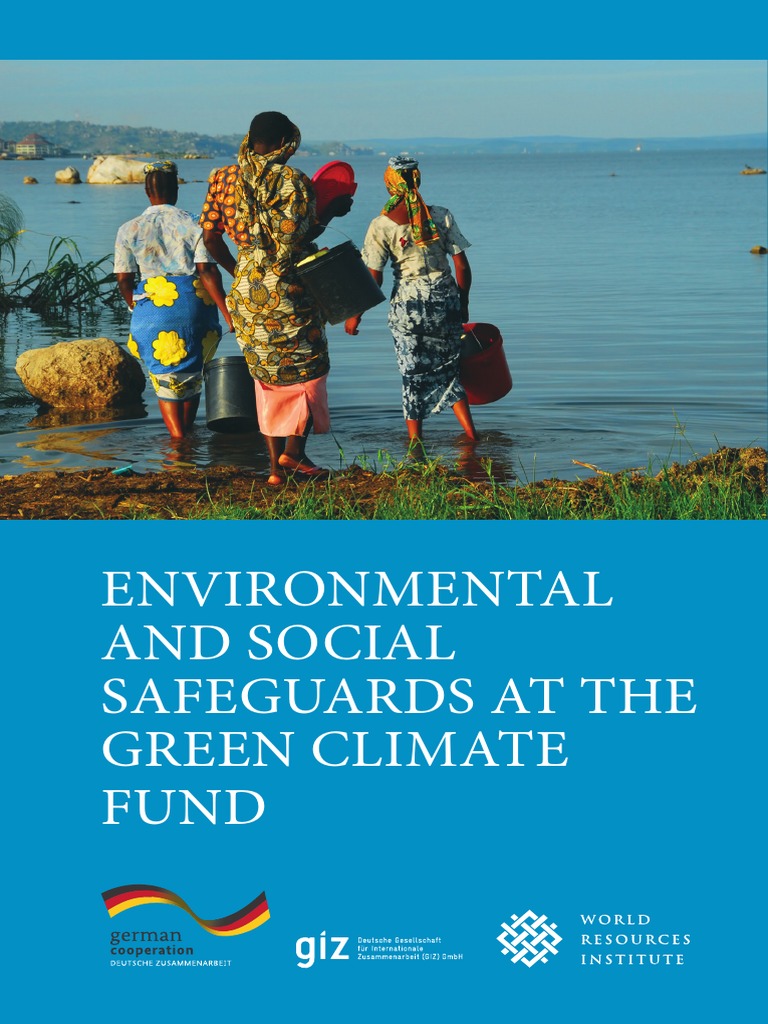
Introduction to the Environmental and Social Safeguards (ESS) Connect
The Namibia Nature Foundation (NNF) has launched a groundbreaking national initiative called the Environmental and Social Safeguards (ESS) Connect. This initiative aims to promote best practices in conservation and development across the country. ESS Connect functions as a Community of Practice (CoP), designed to foster inclusive, rights-based approaches in the conservation and development sectors.
The CoP was recently introduced in Windhoek and serves as a platform for professionals, practitioners, and stakeholders to share knowledge, experiences, and strategies related to implementing and enforcing robust environmental and social safeguards. The NNF emphasized that the CoP was created to establish a shared national platform where practitioners and policymakers can co-develop tools, share best practices, and strengthen capacities related to ESS.
Key Features of the ESS Connect
One of the primary goals of the ESS CoP is to support the integration of Free, Prior and Informed Consent (FPIC), gender-responsive approaches, and transparent grievance redress mechanisms. This ensures that local communities, especially marginalized groups, are not only consulted but also meaningfully included throughout project life-cycles.
Deputy Environmental Commissioner, Dr Caroline Garus-Oas, highlighted the importance of safeguards in new investments in mining, green hydrogen, infrastructure, agriculture, and tourism. She stated that these safeguards must serve as foundations, not checklists, for protecting people, biodiversity, and cultural heritage.
“The ESS CoP offers a home-grown solution to address uneven safeguard implementation, limited FPIC understanding, and gaps in coordination, gender, and social inclusion. Safeguards build trust, promote resilience, and ensure development is green, inclusive, and fair, leaving no one behind,” she added.
Thematic Working Groups (TWGs)
A key outcome of the ESS CoP is the establishment of four Thematic Working Groups (TWGs), each aligned with global best practices, particularly the World Bank Environmental and Social Framework (ESS1-Ess10). These TWGs will play a central role in translating international safeguard principles into practical, context-responsive guidance.
The TWGs are designed to co-develop tools, learning resources, case studies, and policy recommendations that reflect both global standards and local needs. Each group focuses on different aspects:
- TWG1: Inclusive conservation, social inclusion, gender, and indigenous rights
- TWG2: Environmental risk, climate, and development trade-offs
- TWG3: People at the front-line, labor, safety, and community protection
- TWG4: Stakeholder engagement and social inclusion
These working groups are peer-led, voluntary knowledge platforms supported by rotating facilitators and a central knowledge repository. Their work will produce locally contextualized guidance, tools, and training materials while ensuring alignment with international frameworks like the World Bank, Environmental and Social Framework (ESF), the International Finance Corporation (IFC) Performance Standards, and the Green Climate Fund’s ESS policies.
Impact and Future of the ESS CoP
The ESS CoP aspires to transform safeguards from a compliance obligation into a culture of accountability, equity, and impact. By prioritizing peer learning, cross-sector collaboration, and continuous engagement, the platform positions Namibia as a regional leader in sustainable, inclusive development.
As the CoP evolves, its members’ lead structure will ensure it remains adaptive to Namibia’s shifting environmental, social, and economic landscape. The initiative is anchored in community realities and national ambition, ensuring that safeguard principles move beyond compliance, anchoring accountability, inclusion, and continuous engagement throughout the project life-cycle.