
The Battle for Jane Austen’s Countryside
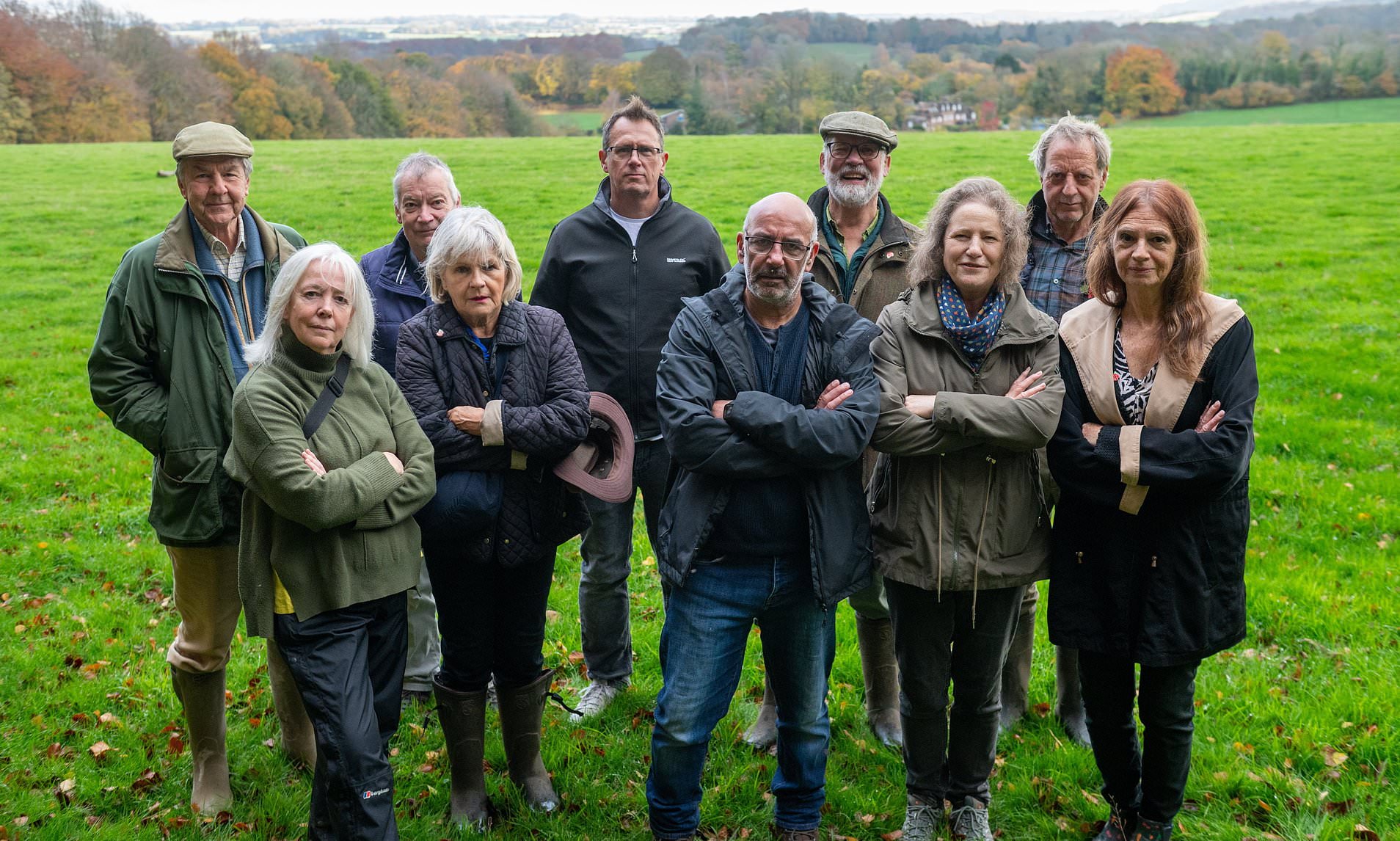
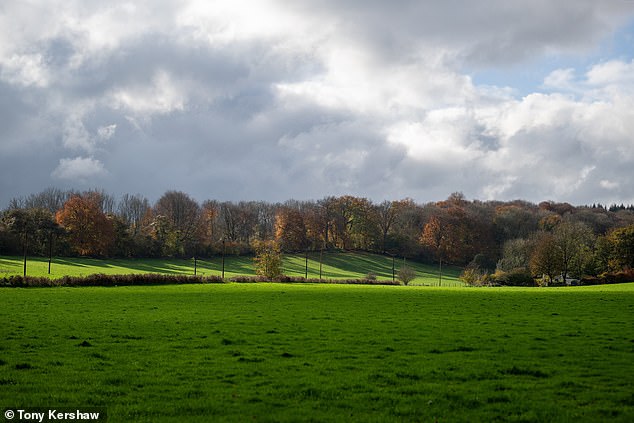
Residents of East Hampshire are raising their voices against what they call a “scandalous” plan that threatens to transform the rolling chalk downs and green fields that inspired Jane Austen into sprawling housing developments. These areas, known as the heart of Austen country, have long been cherished for their cultural significance and natural beauty. Now, local communities fear that the proposed housing targets could lead to the loss of one of England’s most treasured landscapes.
A new Land Availability Assessment has identified large portions of land in the East Hampshire District Council area as potential sites for development. According to the proposals, more than 1,100 new homes could be built each year for the next 18 years. This ambitious target has sparked outrage among locals, who argue that the plan would not only damage the environment but also strain local services and erode the region’s historical identity.
Alex Perry, a resident of Neatham who has lived in the area for 11 years, expressed his concerns about the impact on the countryside. He said, “They are going to destroy some of the most beautiful countryside in southern England. There has been no attempt to do any of the accompanying infrastructure. We have already got sewage spills and month-long waits just to get an appointment at doctors’ surgeries.”
Perry added that the land is deeply connected to Austen’s work. “It is the land that informed Jane Austen who she was. If you read her books, it is full of descriptions of this landscape. This land is our identity. It is the essence of who we are, and they are planning to concrete it. That is why people are so upset.”
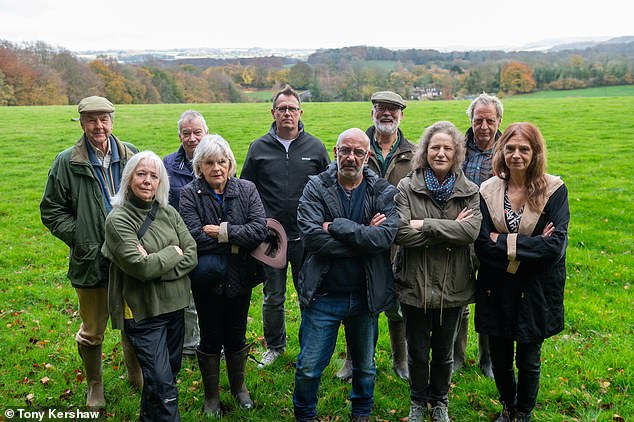

The plans have also drawn attention from global Jane Austen societies, with many expressing outrage over the potential destruction of a site that holds immense cultural value. Perry founded the Save Austen Country group and started a petition that quickly surpassed 1,000 signatures in the first 72 hours. He criticized the council for attempting to push the development through without giving residents another chance to oppose it.
Another group opposing the development is the A31 Alliance, led by Sir Charles Cockburn, a 74-year-old resident of Beech. He argued that the government’s housing targets are unrealistic given the presence of national parks in the area. “My village along with every other village within a five-mile distance will be impacted by a plan which is certain to see housing built in the local fields,” he said.

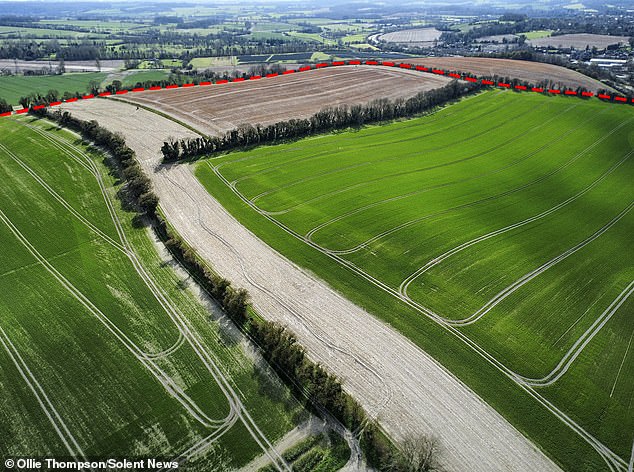
Cockburn emphasized that the infrastructure needed to support such a massive development is not in place. “It is mad to urbanise the countryside which is what the government is trying to do. These are the fields over which Jane Austen would haunt. They are going to be built all over. We are looking at a catastrophe.”
East Hampshire District Council (EHDC) responded to the concerns, stating that the petition refers to plans for development in the A31 corridor that do not exist as planning applications or site allocations. The council clarified that the sites shown on the petition organizers’ website are taken from their Land Availability Assessment (LAA), which includes all potential development sites.
“The LAA forms the basis of a list of sites to be considered for allocation in the Local Plan,” the council said. “They will be examined and assessed for suitability, and those that are not considered suitable will not be allocated for development in the Local Plan. Not all sites in the LAA will end up being used.”
Despite these assurances, the council acknowledged the challenges posed by the high housing target set by the government. In December 2024, the target was almost doubled, requiring the identification of new sites to accommodate the increased demand. However, the district is home to part of the South Downs National Park, which controls its own planning and is under no obligation to allocate housing sites.
“This places East Hampshire in a challenging situation—a large housing need and only 43% of the district available to consider for development, including areas such as the A31 corridor,” the council said.
At this stage, no final decisions have been made on site allocations. The Local Plan is still being compiled and will not be adopted until the summer of 2027. The next stage of formal consultation on the East Hampshire Local Plan is scheduled for Summer 2026.
As the debate continues, the question remains: can Jane Austen’s cherished countryside survive the housing boom sweeping England? Will furious locals manage to stop the new plans to transform the historic playground into a modern development? The outcome of this battle could determine the future of a landscape that has inspired generations of readers and writers alike.