
A Historic Mayoral Race in Seattle
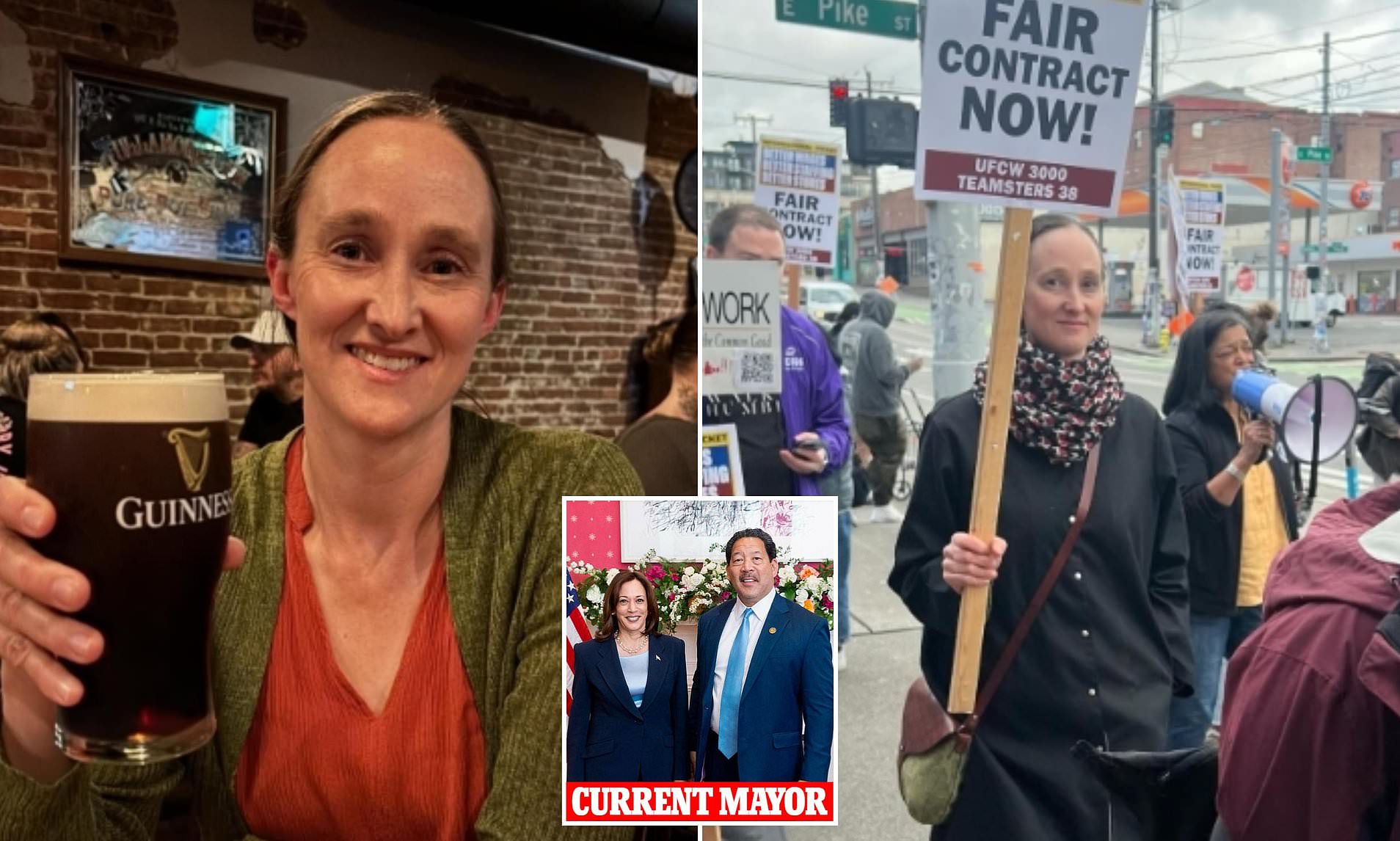
Seattle is on the brink of making history, with the potential to elect its first democratic socialist mayor by an incredibly slim margin. The race between Katie Wilson and incumbent Bruce Harrell has remained neck-and-neck, with only 65 votes separating them if Wilson maintains her current vote percentage from the latest batch of counted ballots.
Katie Wilson, 43, has narrowed the gap between herself and Harrell to just 4,300 votes as more ballots continue to be processed since the election day on November 4. The race has seen fluctuations over the past week, with approximately 50,000 ballots still uncounted. If Wilson secures 54.85% of these remaining votes—similar to what she achieved in the most recent batch—she would win by a mere 65 votes.
This close contest has drawn significant attention, not just for its tight margins but also for the ideological shift it could represent. If elected, Wilson would become the first democratic socialist mayor of Seattle, following in the footsteps of Zohran Mamdani, who recently won the New York City mayoral election by nine points.
A Platform Focused on Affordability and Homelessness
Wilson’s campaign has centered around addressing two critical issues in Seattle: affordability and homelessness. As one of the most expensive cities in the U.S., Seattle faces a severe housing crisis, with many residents struggling to make ends meet. Her platform emphasizes policies aimed at making life more affordable for working-class families, including expanding public transportation and improving access to essential services.
However, Wilson’s candidacy has not been without controversy. Critics have pointed to her privileged background, citing that she regularly receives financial support from her professor parents to cover childcare costs. This has led to questions about her understanding of the struggles faced by working-class families.

Background and Personal Life
Wilson dropped out of Oxford University just six weeks before graduation, leaving with no debt thanks to her family’s financial support. This decision has sparked debate, with some arguing that it highlights a lack of commitment to education and independence.
Carolyn Riley-Payne, former president of the Seattle King County NAACP, has criticized Wilson for running on affordability issues while benefiting from her family’s wealth. “It’s hard to trust a candidate running on their challenges with affordability when her family’s wealth shields her from actual consequences and financial stress,” she said.
Despite this, Wilson has acknowledged her privileged upbringing and has spoken openly about her experiences. She told KUOW that moving to Seattle in 2004 was a turning point, where she cut off financial support from her parents and worked various working-class jobs. “Psychologically, it really did something to me,” she said.
Professional Experience and Financial Situation
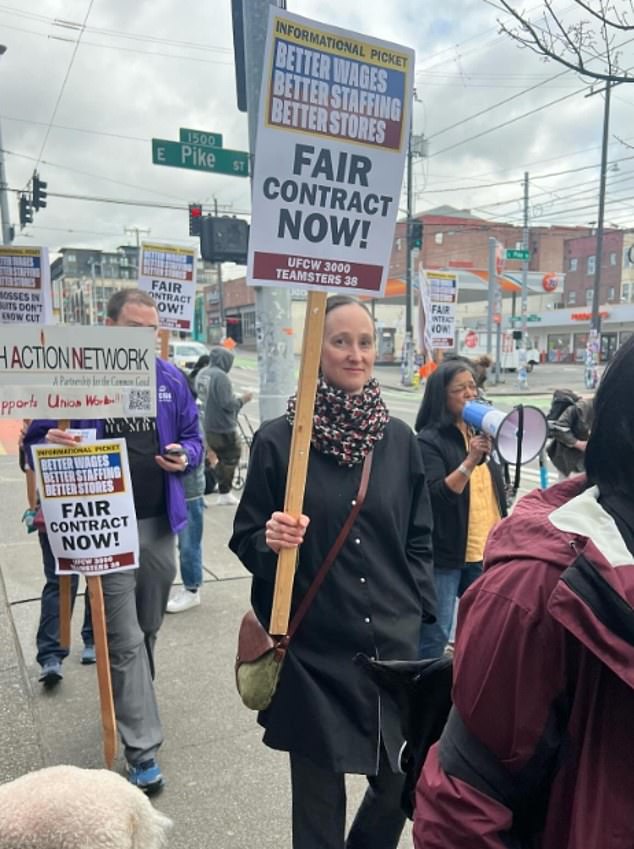
In 2011, Wilson founded the Transit Riders Union, a nonprofit focused on improving public transportation in Seattle and King County. Tax records show she earned nearly $73,000 from the organization in 2022 while working 55-hour weeks.
Currently, her husband does not have a paying job, which means the couple’s household income is below what would be considered sufficient to support themselves and their child in Seattle. Wilson has not shied away from this fact, stating that it reflects the high cost of living in the city.
“I don’t think there’s anything wrong with receiving help from family if you’re lucky enough to have it,” she said. “It just speaks to how expensive and unaffordable it is, right?”
A spokesperson for Wilson’s campaign emphasized that her situation is not uncommon. “Families from all different kinds of economic backgrounds support each other in all different ways,” they said. “Katie Wilson’s experience is far less of an aberration than that of the incumbent mayor.”
Voter Turnout and Election Significance
The race has also highlighted the importance of voter turnout. In the general election, about 40,000 more registered voters cast their ballots compared to the primary, though this still represents only 46% of the city’s registered voters. This is lower than the 54.6% turnout in the 2021 general election.
In contrast, New York City saw a record-breaking turnout in its mayoral election, with 2 million votes cast—the highest number since 1969. This stark difference underscores the significance of every vote in Seattle’s tight race.
If Wilson wins, she would not only be the first democratic socialist mayor of Seattle but also the third woman to hold the position and the first mother of a toddler to do so.