
Addressing the Needs of Displaced Populations in Benue State
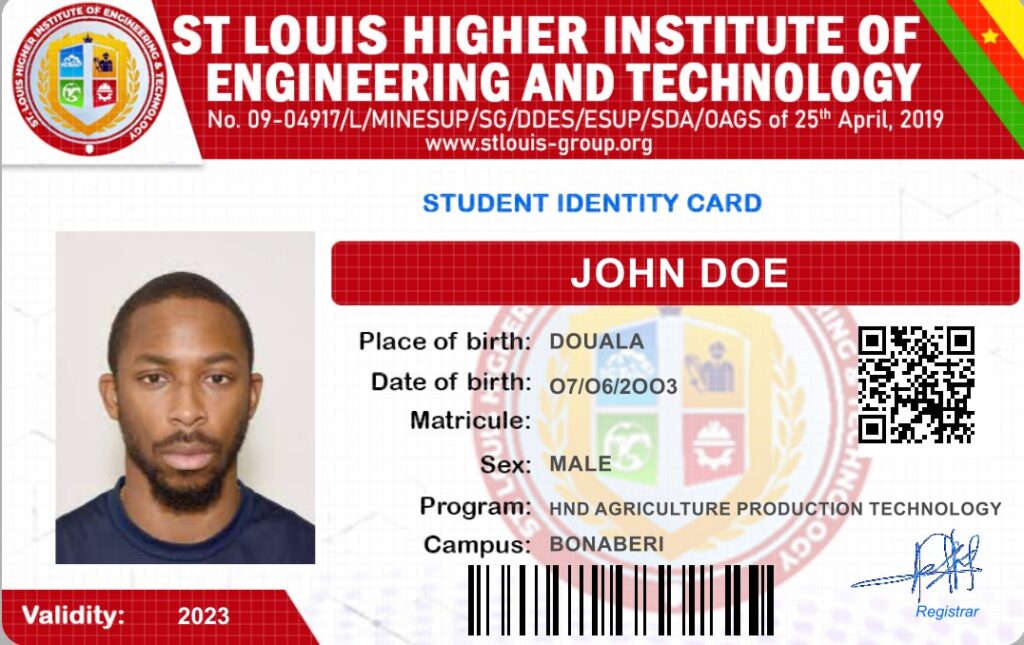
The Benue State Government, in partnership with various development organizations, has initiated a biometric review and the issuance of new identity cards for Internally Displaced Persons (IDPs) throughout the state. This initiative is aimed at ensuring accurate documentation and inclusion of displaced individuals, who have been affected by ongoing conflicts and humanitarian challenges.
This effort comes in response to concerns raised by Governor Hyacinth Alia during a 2024 meeting with representatives from the United States Bureau for Humanitarian Assistance. During this meeting, led by Patrick Robinson, the governor highlighted the critical need for basic necessities such as potable water for over 1.5 million displaced persons in the state. The situation has prompted urgent action from both local and international stakeholders.
Most IDPs in Benue are currently residing in 15 designated camps, while others have found refuge in host communities. These individuals face significant challenges, including limited access to essential services and resources. In an effort to address these issues, the government has taken several steps to improve their living conditions and provide necessary support.
Biometric Exercise and Humanitarian Efforts
Dr. James Iorpuu, the Executive Secretary of the State Emergency Management Agency and Permanent Secretary of the Ministry of Humanitarian Affairs and Disaster Management, emphasized the importance of the biometric exercise. He stated that the initiative aims to ensure proper documentation and inclusion of displaced persons, which is crucial for providing them with adequate support and services.
Iorpuu made these remarks during the monthly distribution of food and non-food items across the 15 camps. He highlighted the government’s commitment to providing more relief materials and restoring dignity to displaced populations. This aligns with Governor Alia’s Renewed Hope agenda, which focuses on improving the welfare of vulnerable groups.
He also noted the state’s dedication to promoting self-reliance among IDPs and facilitating their safe and sustainable return to their ancestral homes. This includes efforts to rebuild communities and restore livelihoods, ensuring that displaced individuals can eventually regain stability and independence.
Partnerships and Ongoing Initiatives
Represented by Donald Komgbenda, the Head of Administration at SEMA, Iorpuu emphasized the importance of the current initiatives. He stated that the distribution of relief materials is a continuation of Governor Alia’s commitment to bringing hope, relief, and dignity to displaced populations. Despite the immense challenges, the governor remains determined to implement practical interventions that address the needs of these individuals.
Governor Alia has entrusted SEMA with the responsibility of ensuring every displaced person receives the necessary support. This exercise is a clear demonstration of the governor’s people-centred leadership and his dedication to improving the lives of displaced and vulnerable populations.
In addition to food distribution, the government has taken deliberate steps to rebuild communities and restore livelihoods. For instance, in partnership with the United Nations High Commissioner for Refugees (UNHCR), solar-powered boreholes have been drilled in returnee communities such as Tatyough in Makurdi LGA. Relief items have also been distributed to help families rebuild their lives.
Similarly, in collaboration with the International Organisation for Migration, housing and water projects have been launched at Naka Dam. This includes the construction of a water treatment plant to address persistent water scarcity in the Naka IDP camp and surrounding communities.
Call for Continued Collaboration
Iorpuu expressed appreciation for the contributions of international and local partners, emphasizing the importance of continued collaboration among ministries, departments, and agencies. He noted that the support of these partners aligns with the Durable Solutions Plan for IDPs in Benue, which remains crucial to the success of the humanitarian response in the state.