
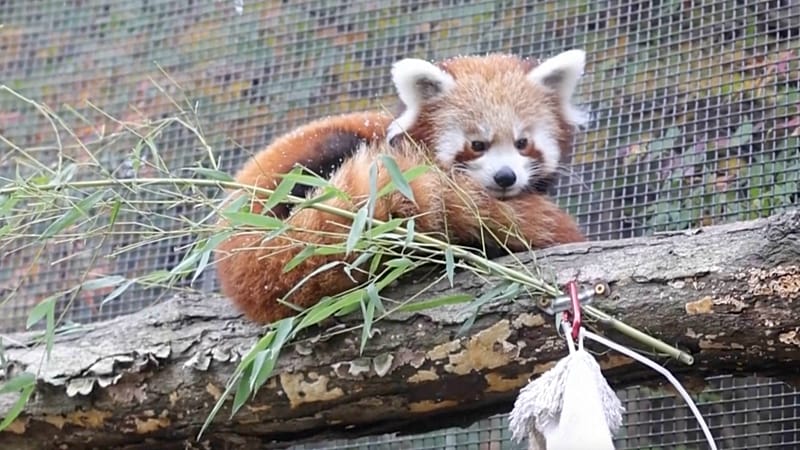
At Zoo Knoxville in Tennessee, United States, red panda brothers Mr Darcy and Dr Wallace experienced snow for the very first time this week. The young pandas explored their wintry enclosure, enjoyed a few snacks and even took a brief nap amid the falling snow.
According to zoo staff, red pandas are naturally well adapted to cold climates, as they originate from the temperate mountain forests of the eastern Himalayas and south-western China. Born on 3 June, the brothers have been thriving ever since, the zoo said.
A Unique Experience for Young Red Pandas
The arrival of snow at Zoo Knoxville provided a rare and exciting opportunity for Mr Darcy and Dr Wallace. As the first snowfall of the season blanketed the area, the two red pandas were given access to a specially prepared enclosure that mimicked their natural habitat. This allowed them to experience the cold environment that is typical of their native regions.
The pandas were seen playing and exploring the snowy space, showing curiosity and enthusiasm as they interacted with the new surroundings. They also took time to enjoy their favorite treats, which included fruits and vegetables. At one point, both pandas were observed taking a short nap under a tree, clearly comfortable in the cool weather.
Zookeepers noted that the snowfall was not just an enjoyable experience for the pandas but also a valuable learning opportunity. It allowed the team to observe how the animals respond to different environmental conditions, which can help in better understanding their behavior and needs.
Natural Adaptations to Cold Climates
Red pandas are known for their ability to thrive in cold environments. Their thick fur and bushy tails provide insulation against the harsh temperatures found in their native habitats. These animals are typically found in the temperate mountain forests of the eastern Himalayas and south-western China, where they live among the dense vegetation and rocky terrain.
Despite being born in a warmer climate, Mr Darcy and Dr Wallace have shown remarkable adaptability. The zoo has been closely monitoring their health and well-being, ensuring that they receive the necessary care and support. The presence of snow in their enclosure has added an element of novelty and stimulation, contributing to their overall development.
Zoo staff emphasized that the pandas’ ability to handle colder temperatures is a positive sign of their growth and resilience. They are continuing to grow and develop, with the hope that they will soon be able to explore more of their enclosure and engage in a wider range of activities.
Enhancing the Pandas’ Environment
To ensure the pandas feel safe and comfortable during their time in the snowy enclosure, the zoo has taken several precautions. The area has been carefully designed to prevent any potential hazards, such as icy surfaces or excessive cold exposure. Additionally, the pandas have access to heated shelters where they can retreat if needed.
The zoo also provides a variety of enrichment activities to keep the pandas engaged and entertained. These include puzzle feeders, climbing structures, and interactive toys that encourage natural behaviors. By offering these experiences, the zoo aims to promote physical activity and mental stimulation, which are essential for the pandas’ overall well-being.
As the snow continues to fall, the zoo remains committed to providing the best possible care for Mr Darcy and Dr Wallace. The team is excited to see how the pandas continue to adapt and grow in their new environment.