
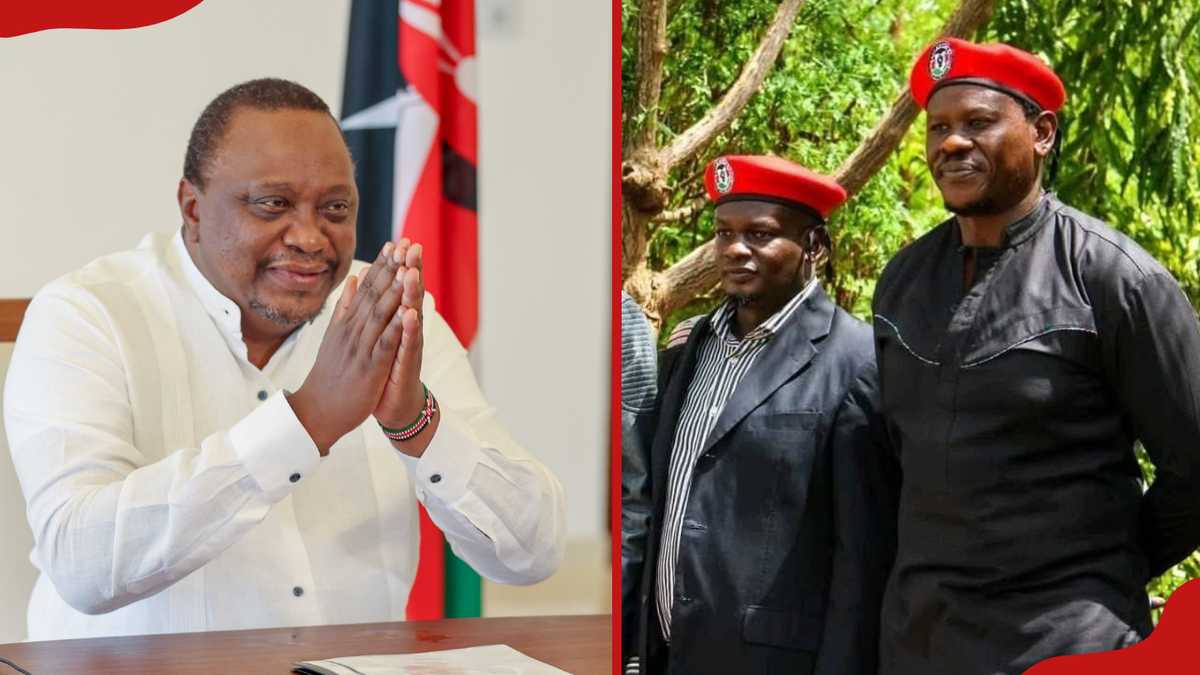
A Harrowing Experience
Kenyan activists Bob Njagi and Nicholas Oyoo have shared deeply distressing accounts of their 38-day detention by Uganda’s military. Their release on November 7 marked a significant turning point, as they were flown to Nairobi the following morning. The duo credited media pressure, public solidarity, and diplomatic efforts for their survival, highlighting the importance of collective action in such critical situations.
Release and Initial Reactions
After being handed over to the High Commissioner Joash Maangi in Kampala, Njagi and Oyoo were able to return to Kenya. Upon their arrival at Jomo Kenyatta International Airport (JKIA), they spoke about the ordeal they endured. Njagi described the experience as extremely difficult, stating that he believed he would not return home alive. He mentioned that they were subjected to torture and had been forced to survive on inadequate rations.
“I forced myself to starve for at least 14 days,” Njagi said. “The ordeal left us physically unwell, and we promise Kenyans conclusive details of what happened once we receive medical attention.”
Oyoo, though more reserved, emphasized the role of media coverage and public support in ensuring their safety. “What we went through is something I didn’t imagine. I want to thank Kenyans, the media, and everybody because without you we would not be here,” he said.
Gratitude and Acknowledgment
Njagi expressed his gratitude to the East African media, Kenyans, and human rights groups who actively advocated for their cause. “I am so delighted to be back home. I want to thank all Kenyans for standing in solidarity with us,” he said. “Mostly, we have the media for putting out our story almost on a daily basis. The human rights organizations; Amnesty International, the LSK, Defenders Coalition, KHRC, Vocal Africa, you know them all. We want to thank you so much for standing with us all through this time.”
He also acknowledged the emotional toll on his family. “I can’t forget my family as well. They’ve gone through a very terrible and horrific time.”
Recognition from Human Rights Groups
Human rights organizations praised the efforts of former president Uhuru Kenyatta and both governments for securing the duo’s freedom and return. “We extend our appreciation to the Kenyan and Ugandan governments at the highest level and the immediate former president of Kenya for their cooperation towards their safe return,” said Vocal Africa.
Felix Wambua of the Free Kenya Movement highlighted the critical role played by former President Uhuru Kenyatta. “Without the intervention of former President Uhuru Kenyatta, I don’t know if we would have managed,” he said, as quoted by Citizen TV.
Conclusion
The experiences of Njagi and Oyoo underscore the challenges faced by human rights defenders in conflict zones. Their release serves as a reminder of the power of public awareness, media coverage, and international collaboration in advocating for justice and human rights. As they continue their recovery, their story remains a powerful testament to resilience and the impact of collective action.