
The Silent Mental Health Crisis in Uganda
Uganda is facing a growing mental health crisis, with hospitals and psychiatric units across the country struggling to meet the rising demand for services. Butabika Hospital, the nation’s main referral facility for psychiatric cases, is just one example of the challenges faced by the healthcare system. Overcrowding, under-resourcing, and a lack of trained personnel are all contributing to a situation that experts warn could have serious consequences for the population.
Underfunding and Resource Shortages
Mental health professionals in Uganda emphasize that the government’s current budget allocation for mental health is far below what is needed. While the Abuja Declaration of 2001 recommends a 15 percent allocation for health, Uganda currently only dedicates about 6 percent of its national budget to the sector. This has led to severe shortages of drugs, inadequate infrastructure, and a lack of trained mental health workers.
Ms Sarah Mbabazi, a mental health counsellor, highlights that low funding is one of the biggest obstacles to managing mental health effectively. “Poor mental health is not inevitable,” she says. “With adequate support from the government, we can help everyone have better mental health.”
Challenges at Butabika National Referral Mental Hospital
Butabika National Referral Mental Hospital is a prime example of the struggles within the mental health system. The hospital, designed to accommodate 550 patients, is currently housing more than 1,200—over 118 percent above capacity. Dr Juliet Nakku, the executive director of the hospital, attributes this overcrowding to inadequate development budgets that have stalled infrastructure expansion.
The World Health Organisation (WHO) reports that one in eight people globally lives with a mental disorder, but in Uganda, the situation is particularly dire. Recent research from The Onward Project on wellbeing and adversity (TOPOWA) found that 65 percent of women aged 18 to 24 in Kampala’s slums reported one or more mental health concerns, with 34 percent experiencing anxiety and nearly one in three reporting depression.
Limited Access in Rural Areas
The problem is even more acute in rural areas, where many districts lack psychiatric units altogether. Patients often have to travel long distances for treatment, and some go without care due to stigma and discrimination. This lack of access exacerbates the mental health crisis, as untreated conditions can worsen over time.
Ms Vivian Olgah Kudda, a clinical psychologist, warns that without increased investment in mental health, Uganda risks a hidden crisis that undermines productivity, education, and family life. She notes that limited funding also shifts the burden of paying for psychotropic medication to individuals and their families, as government facilities often cannot stock these medicines.
The Role of Community and Non-Profit Organisations
Despite the challenges, some community-based initiatives are stepping in to fill the gaps. JENGA Community Development Outreach, based in Mbale District, has launched training programmes for cultural and religious leaders to improve community-level responses to mental health challenges. Ms Jacent Nawanga, the team leader for health and wellbeing at JENGA, explains that many patients are delayed in seeking treatment because they are kept in churches and mosques under the belief that mental illness is a spiritual problem.
Dr David Masaba, the Mbale regional mental health coordinator, reveals that mental health receives only 1 percent of the national health budget, with 70 percent allocated to Butabika Hospital. The remaining 30 percent is shared among 13 referral hospitals, but it only covers drug procurement, leaving out crucial activities such as community outreach and school-based programmes.
The Need for Policy Change
Experts like Dr Masaba suggest that strengthening lower health facilities through community mental health outreaches and regular technical support supervision could help decongest referral hospitals. He also urges policymakers to advocate for increased funding to improve staffing, medicine supply, and mental health unit expansion.
Economic and Social Impacts
Ms Kudda warns that an increase in mental health conditions will strain the healthcare system and negatively impact the economic and social fabric of the country. With a population of over 45 million, about 70 percent of whom are young people—the most productive yet high-risk age group—reduced productivity could push more individuals below the poverty line.
According to statistics from Butabika Hospital, 24.7 percent of its admissions in 2022 were due to substance use. Out of those, 44 percent were due to alcohol, 25 percent were due to cannabis, and 2.5 percent were due to substances like khat.
A Call to Action
Ms Angela Nsimbi, a mental health activist and team lead at the Heart2Heart Chat Mental Health Programme, emphasizes that Uganda still has a long way to go in addressing mental health challenges. She notes that although Butabika Hospital offers free medication, the supply is often inconsistent. “When drugs run out, many patients who cannot afford to buy medicine go without treatment for long periods,” she says.
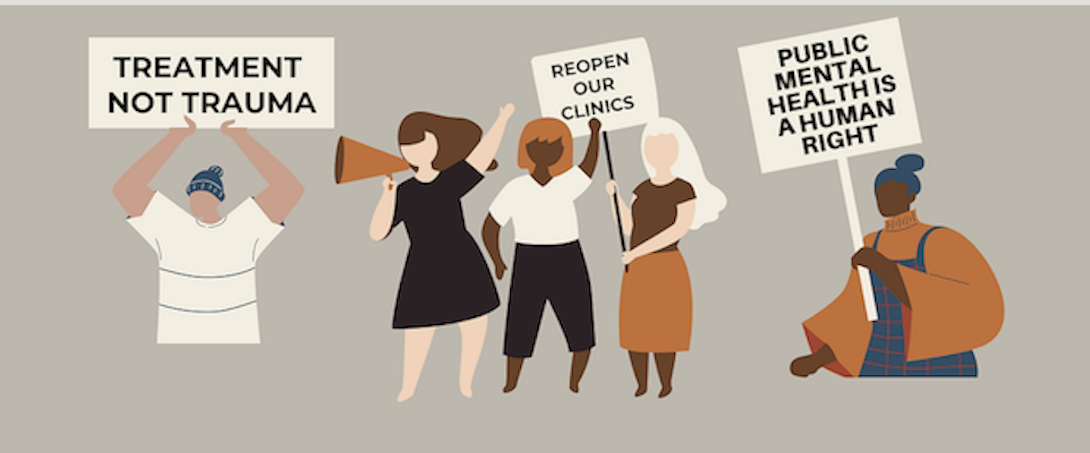
The situation calls for urgent action from the government, healthcare providers, and communities. Only through sustained investment and collaboration can Uganda begin to address its silent mental health crisis and ensure that all citizens have access to the care they need.