
Kazakhstan has officially announced its intention to join the Abraham Accords, a set of agreements facilitated by the United States in 2020 aimed at normalizing relations between Israel and several Arab nations. This move represents a significant diplomatic shift for the Central Asian nation, which is traditionally known for maintaining a neutral stance in global conflicts.
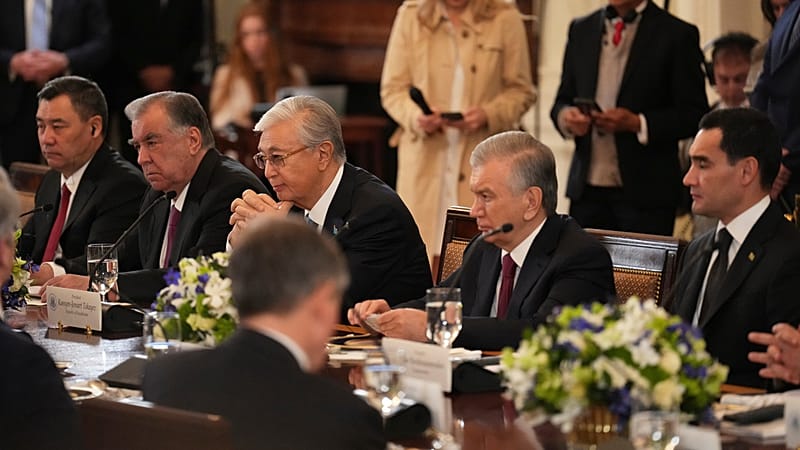
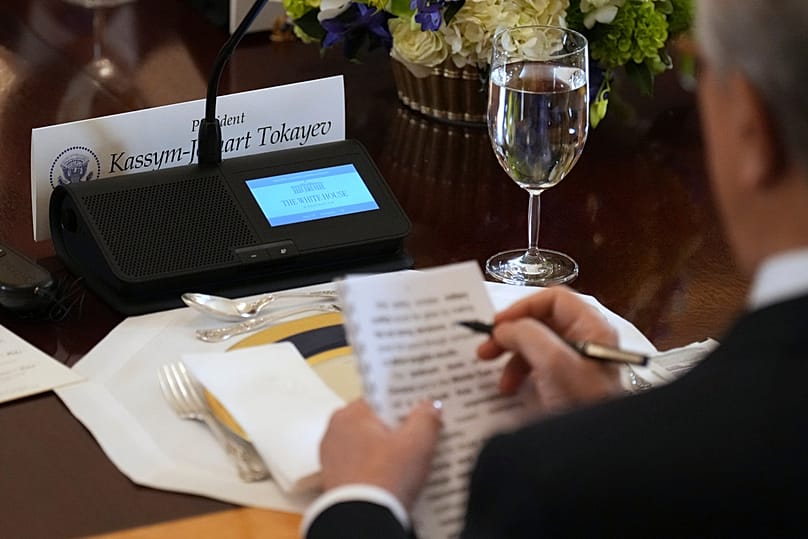
The commitment was formalized during a phone call between US President Donald Trump and Kazakhstan’s President Kassym-Jomart Tokayev, with Israeli Prime Minister Benjamin Netanyahu also participating. The conversation took place in the Oval Office during Tokayev’s visit to Washington for the C5+1 summit, an event that brings together the leaders of Uzbekistan, Kazakhstan, Kyrgyzstan, Tajikistan, Turkmenistan, and the United States.
In addition to the diplomatic agreement, the US finalized a $1.1 billion deal granting an American firm the rights to develop Kazakhstan’s critical minerals deposits. This partnership is expected to bolster the country’s economic ties with the United States and enhance its strategic position in the global mineral market.
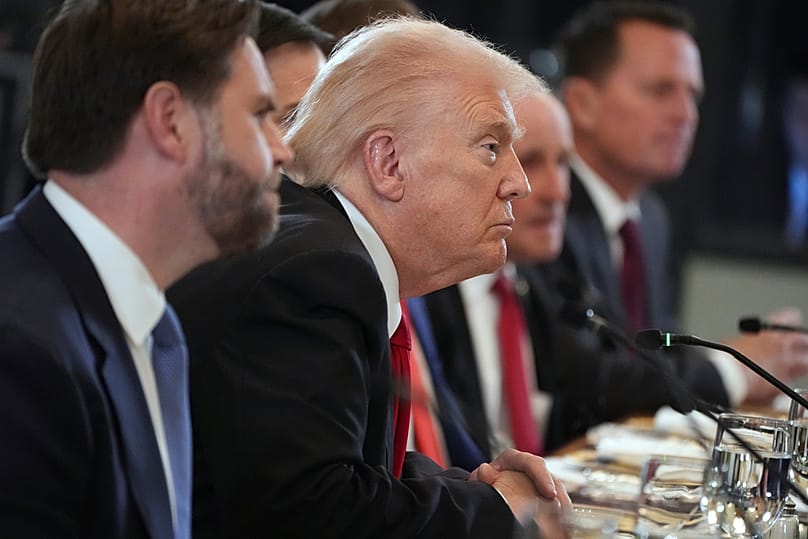
During the summit, Trump invited Tokayev to join a call with Netanyahu to reaffirm Kazakhstan’s intent to join the Abraham Accords. Speaking at the White House, Trump expressed his satisfaction with the development: “I’m delighted to report that Kazakhstan has officially agreed. A tremendous country with a tremendous leader has officially joined the Abraham Accords.”
Tokayev acknowledged Trump’s efforts, stating that the US President had achieved remarkable results that many considered unattainable. He highlighted the potential for lasting peace in the Middle East through these initiatives.
Experts suggest that Kazakhstan’s decision marks a pivotal moment in its foreign policy as it continues to navigate its relationships with China and Russia. Miras Zhiyenbayev, an advisor at Maqsut Narikbayev University, emphasized the significance of the move. He noted that signing such an agreement would create a framework for broader international engagement and could lead to more news and developments in the future.
Kazakhstan’s president also supported Trump’s peace initiatives, referencing the Trump Route for International Peace and Prosperity (TRIPP), an infrastructure corridor that connects mainland Azerbaijan with Nakhchivan through southern Armenia. Tokayev praised the project as a contribution to the development of the Middle Corridor.
The Trans-Caspian International Transport Route, which facilitates trade between China and Europe while bypassing Russia, will be linked to the TRIPP. This connection aims to boost trade and reduce logistical challenges.
Additionally, the United States signed a $1.1 billion agreement with Kazakhstan to develop the world’s largest untapped tungsten deposits. This deal grants a US company a majority stake in the joint venture. Washington described the partnership as a crucial step in securing critical minerals. Kazakhstan already supplies a quarter of America’s uranium needs.
New agreements worth tens of billions of dollars were also achieved. A total of $17.2 billion in new deals were signed between Kazakhstan and US companies across various sectors, including mineral resources, digital technologies, and aviation. These agreements included plans for Kazakhstan to purchase additional Boeing aircraft for its national fleet.
Jeff Erlich, Executive Director of the American Chamber of Commerce in Kazakhstan, highlighted the diversity of these investments: “There is growing American investment in areas like consumer goods or IT, which align with the country’s economic growth and demographics. Historically, major deals have been in oil and gas.”
The US remains Kazakhstan’s largest investor, with cumulative investments exceeding $100 billion, accounting for about 80% of all foreign investment in Central Asia. Bilateral trade has nearly doubled to $5 billion, with over 600 American companies now operating in Kazakhstan.