
UNICEF Expands Educational Access in Borno State through Nigeria Learning Passport
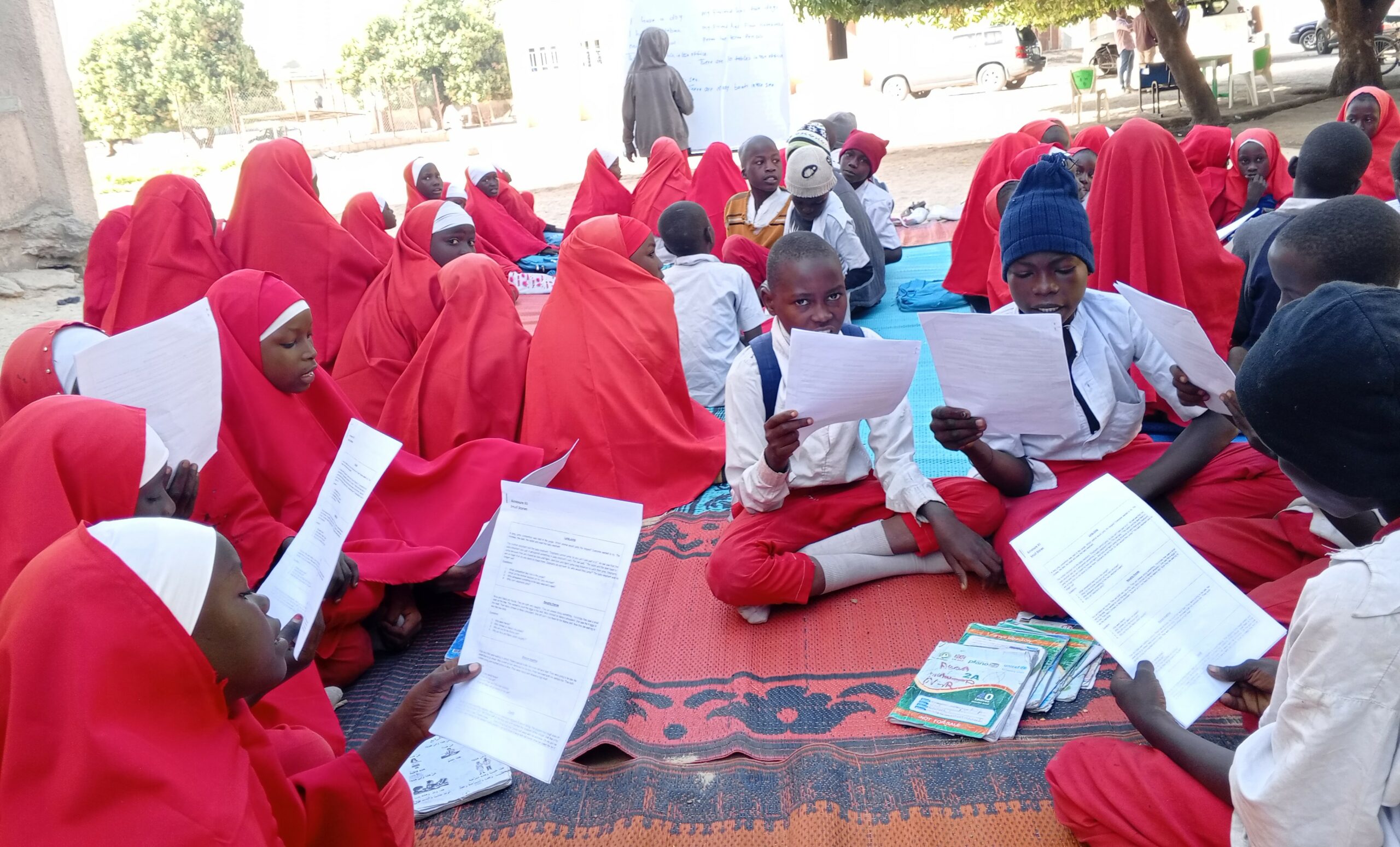
The United Nations Children’s Fund (UNICEF) has made significant strides in improving access to education in Borno State, Nigeria. As of this year, 33,532 children have been enrolled in the Nigeria Learning Passport (NLP), a digital platform designed to provide free and localized educational content. This initiative is part of a broader effort to ensure that children, especially those affected by conflict and displacement, have access to quality education.
At the annual quiz competition organized for school children supported by the NLP intervention in Maiduguri, Charles Atiya, Education Officer at the UNICEF Maiduguri Field Office, highlighted the progress made so far. He emphasized that 425 teachers and facilitators have been trained in blended learning methodologies to support the enrolled children effectively.
Key Features of the Nigeria Learning Passport
The NLP is a comprehensive digital platform that offers a wide range of educational resources. It includes:
- Digital learning recordsand data analytics to track student progress.
- Over17,000 teaching and learning materialsaligned with the Nigerian national curriculum and global supplementary resources.
- A user-friendly interface accessible via web and mobile devices.
The platform has already reached over800,000 users, including230,000 students, across 21 states in Nigeria. This expansion has been supported by training programs for more than30,000 teachersin digital literacy, pedagogy, and blended learning techniques.
Collaborative Efforts and Support
Charles Atiya noted that the initiative is a critical component of UNICEF’s strategy to reduce the number of out-of-school children in Borno State. She pointed out that one of the successful models used is the integration of the Tsangaya school learners into the program, which has shown promising results.
The success of the NLP has been made possible through the collaboration between UNICEF and various stakeholders. The Borno State Government has played a vital role in supporting the initiative, providing essential resources. Additionally, several partners, including Airtel, SILSA, SONY, and FCDO, have contributed funding and equipment.
These contributions have enabled the distribution of270 Samsung tablets,30 routers, andprojectorsto schools, along with10 offline devicesinstalled in areas with limited or no connectivity. This ensures that even students in remote regions can benefit from the platform.
Recognition and Acknowledgment
UNICEF has also recognized the efforts of local civil society organizations (CSOs) such as Innovation Hub, Multi-Aid and Charity Initiative (MACI), and Mercy Eleos Frontida Foundation. These groups have been instrumental in implementing the NLP and ensuring that children continue to have access to learning opportunities.
Charles Atiya expressed her gratitude on behalf of UNICEF, stating that the support from the Borno State Government and its partners has been crucial to the program’s success. She also encouraged the beneficiaries to take full advantage of the opportunity to enhance their digital skills.
Future Goals and Encouragement
She urged students, parents, and teachers to remain committed to the educational journey, emphasizing that digital skills are essential for future success. Her message was clear: continued investment in education and technology will play a pivotal role in shaping the next generation.
In addition to these efforts, other organizations have also stepped up to support educational initiatives. For instance, PUNCH Online reported that UNICAF donated Information and Communication Technology (ICT) equipment to the Sokoto State Operations Coordinating Unit to support social protection activities.
The UNICEF Chief of Field Office, Mr. Michel Juma, stated that the donation aimed to strengthen the National Social Register, helping to identify and support more vulnerable individuals in the region.