
U.N. Security Council Lifts Sanctions on Syrian President Al-Sharaa
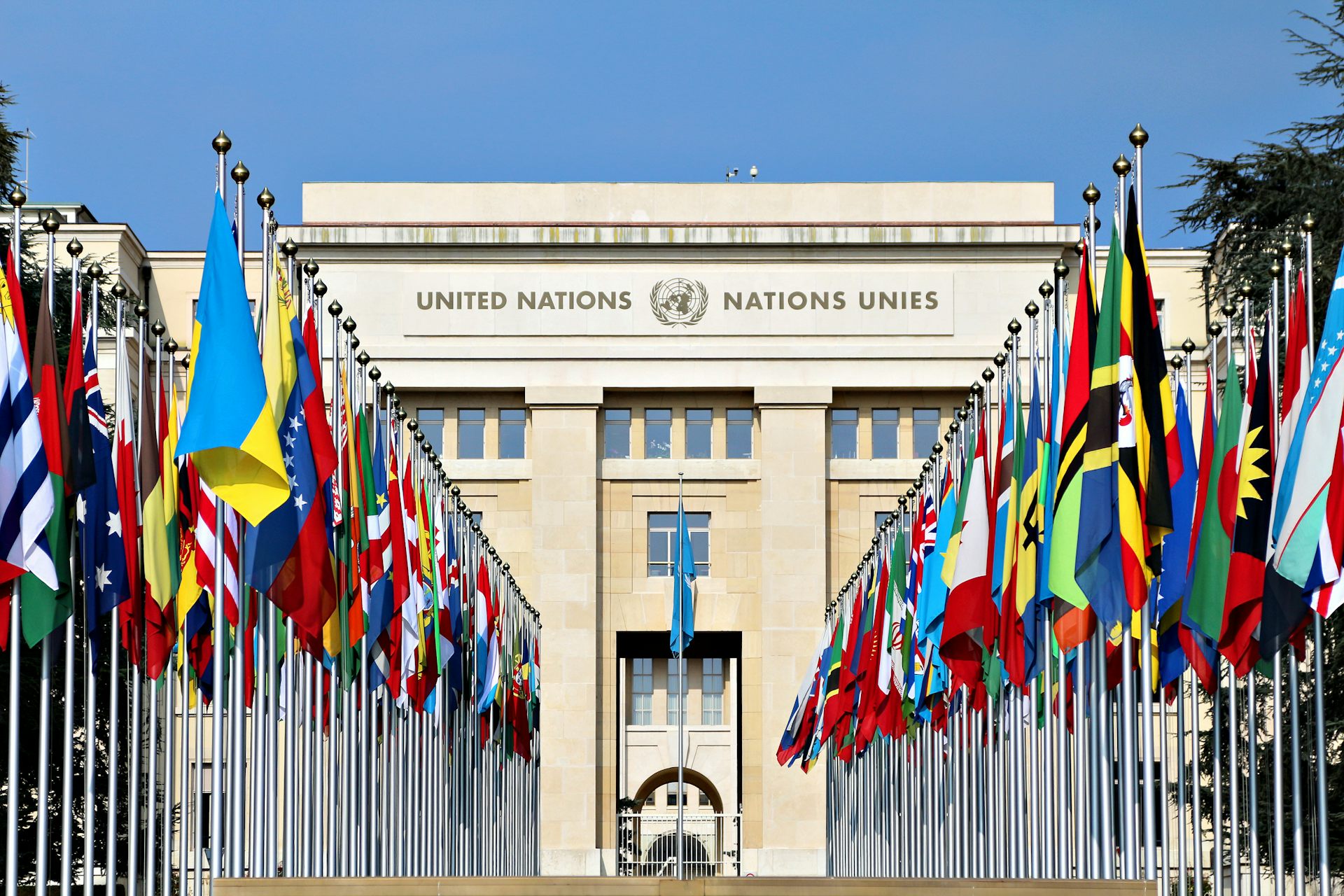
The United Nations Security Council took a significant step by voting to lift a series of sanctions against Syrian President Ahmad al-Sharaa and members of his government. This decision came just days before al-Sharaa is scheduled to visit the United States for a historic meeting at the White House.
The U.S. resolution, which aimed to remove U.N. sanctions linked to al-Sharaa and Syria’s interior minister, Anas Hasan Khattab, was approved with the support of 14 council members. China chose to abstain from the vote. The sanctions were originally imposed due to their alleged ties to the al-Qaida militant group.
Mike Waltz, the U.S. ambassador to the U.N., emphasized that the adoption of the resolution sends a strong political signal. He stated that the council is acknowledging that Syria is entering a new era following the downfall of Bashar Assad and his associates in December 2024.
American officials had pushed for the resolution to be passed before Monday, when President Donald Trump is expected to host al-Sharaa for the first visit by a Syrian president to Washington since the country gained independence in 1946. This move is seen as a major diplomatic gesture, signaling a shift in U.S. policy towards Syria.
Syria’s foreign ministry expressed its approval of the vote, stating that the near-unanimous support reflects growing confidence in President al-Sharaa’s leadership. They also highlighted this as a victory for Syrian diplomacy, which has succeeded in restoring international recognition of Syria’s status and its pivotal role in the region.
However, China remained skeptical about the initiative. Fu Cong, the Chinese ambassador to the U.N., noted that while Beijing supports the Syrian people, the U.S. proposal did not adequately address “the legitimate concerns of all parties” regarding counterterrorism and security in Syria.
“The sponsor did not fully heed the views of all members and forced the council to take action even when there were huge differences among council members in an attempt to serve its own political agenda,” he said.
During al-Sharaa’s visit to Washington, Syria is expected to join the U.S.-led anti-Islamic State coalition, which includes over 80 countries working to prevent the resurgence of the militant group. This effort is part of Trump’s strategy to rebuild relations with Syria after the 50-year rule of the Assad family ended in a lightning offensive led by al-Sharaa. The fall of Assad also marked the end of nearly 14 years of civil war.
Since then, al-Sharaa has sought to restore ties with Arab countries and the West, where officials were initially wary of his past ties to al-Qaida. The rebel group he formerly led, Hayat Tahrir al-Sham, was previously designated by the U.S. as a terrorist group.
Trump met al-Sharaa in Saudi Arabia in May and fulfilled a pledge to lift or waive decades of sanctions against the war-torn country. However, the most stringent sanctions were imposed by Congress under the Caesar Syria Civilian Protection Act in 2019 and will require a congressional vote to be removed permanently.
In a bipartisan statement, the top Democrat and Republican on the Senate Foreign Relations Committee welcomed the U.N. action and urged Congress to act to “bring the Syrian economy into the 21st century.”
“We are actively working with the administration and our colleagues in Congress to repeal Caesar sanctions,” Sens. Jim Risch and Jeanne Shaheen said in a statement ahead of the vote. “It’s time to prioritize reconstruction, stability, and a path forward rather than isolation that only deepens hardship for Syrians.”
The conflict in Syria began in early 2011 and resulted in nearly half a million deaths and millions of displaced people, including many who are now refugees. The war caused widespread destruction, and Syria will need tens of billions of dollars to rebuild.