
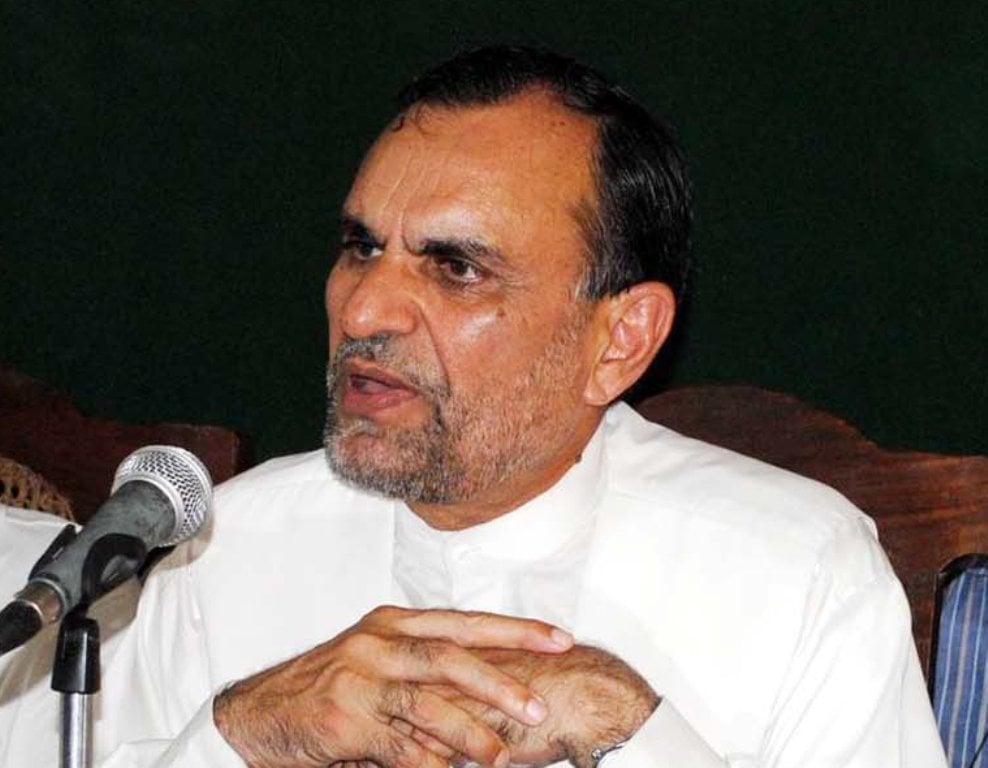
Government Denies Involvement in Opposition Leader Appointment
Law Minister Azam Nazeer Tarar addressed the Senate on Friday, clarifying that the government had no role in the appointment of the opposition leader in the House. His comments came in response to concerns raised by Pakistan Tehreek-e-Insaf (PTI) Senator Azam Khan Swati, who emphasized that the House was incomplete without an opposition leader.
Tarar stated that the process of appointing the opposition leader is a matter for the House itself and not influenced by the government. He explained that the Senate Chairman must ensure that the individual chosen commands the majority support within the opposition ranks. This statement aimed to reassure all parties involved that the decision would be made based on internal parliamentary procedures rather than external interference.
The minister also referenced past instances where the leader of the opposition faced legal challenges. He mentioned the current Prime Minister, Shehbaz Sharif, and noted that there were times when such leaders were detained. Tarar expressed his concern that similar situations should not occur again, particularly highlighting the lack of production orders issued for the previous opposition leader in the National Assembly. He stressed the importance of ensuring fair treatment and proper procedures for all members of the House.
In an effort to resolve the issue, Tarar encouraged the opposition members to hold a meeting with Senate Chairman Syed Yousaf Raza Gilani in his chambers when he is available. The suggestion was intended to facilitate a constructive dialogue between the parties involved and find a suitable solution.
However, the session took a different turn when Awami National Party (ANP) chief Aimal Wali Khant attempted to speak. His remarks were met with protests from the opposition, leading to a walkout by PTI lawmakers. The atmosphere in the House became tense as the debate escalated.
Earlier in the session, the question hour was marked by heated exchanges between PTI Senator Saifullah Abro and Nasir Butt of the ruling PML-N. The discussion reflected the growing tensions within the legislative body, with both sides expressing their views on various issues.
Key Points from the Session
- Government’s Position: The government maintains that it has no influence over the appointment of the opposition leader, emphasizing that it is a matter for the House.
- Senate Chairman’s Role: The Senate Chairman is responsible for ensuring that the selected leader commands the majority support among opposition members.
- Historical Context: There have been instances where opposition leaders faced legal challenges, which the minister sought to avoid repeating.
- Call for Dialogue: The law minister urged the opposition to meet with the Senate Chairman to discuss the issue and find a resolution.
- Protests and Tensions: The session saw protests from PTI lawmakers, indicating ongoing dissatisfaction with the process.
Impact on Legislative Process
The delay in appointing the opposition leader has raised questions about the functioning of the House. The absence of a recognized leader may affect the efficiency of parliamentary proceedings, as key roles are essential for maintaining order and facilitating discussions.
The situation highlights the need for clear communication and cooperation between political parties. While the government insists on its non-involvement, the opposition continues to voice its concerns, seeking a resolution that aligns with parliamentary norms.
As the Senate continues its work, the focus will likely remain on resolving this issue to ensure smooth operations and effective governance. The upcoming meetings and discussions will be crucial in determining the next steps.