
Government and Ruling Party Agree on Tax Rate Adjustment for Dividend Income
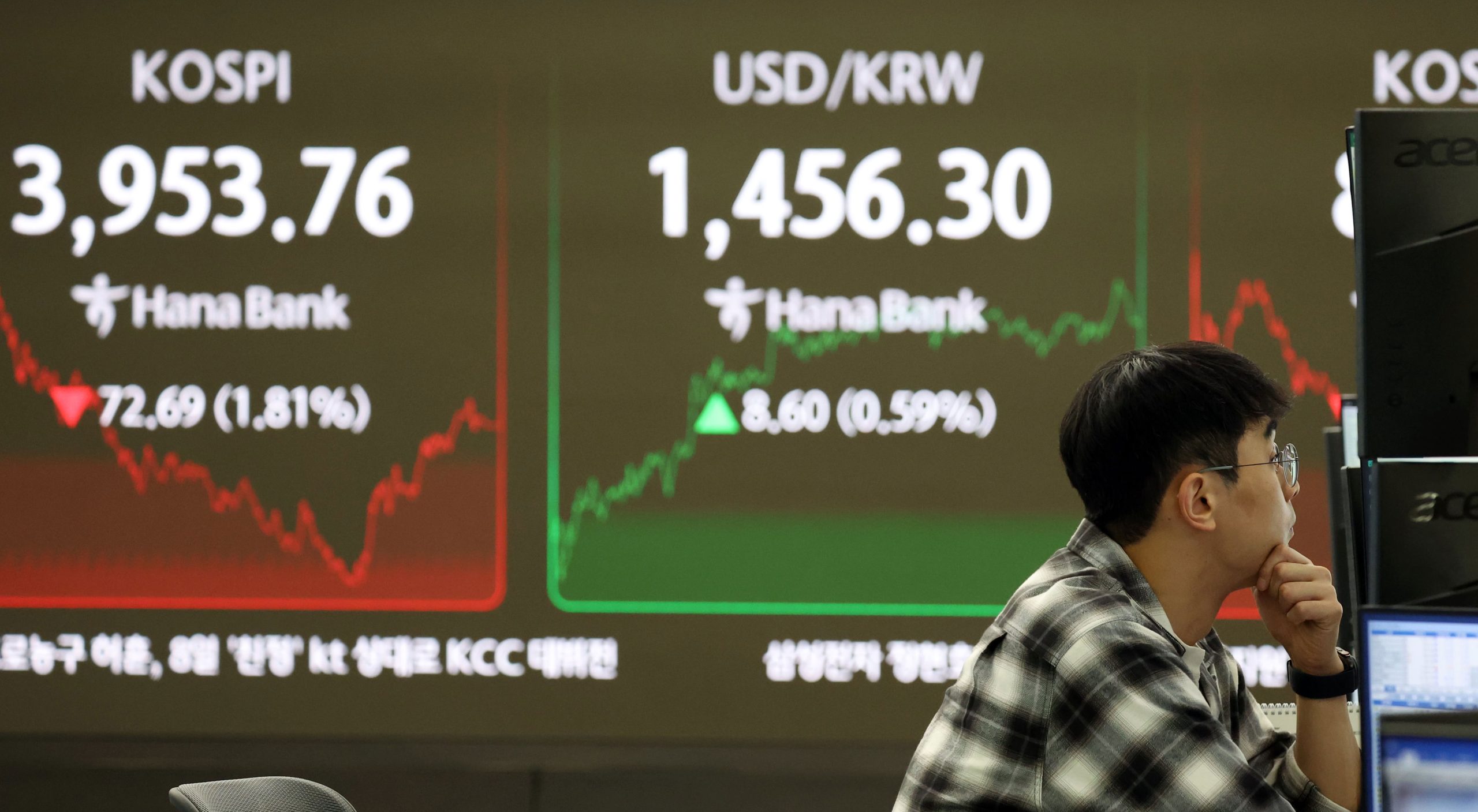
The government and the ruling party have reached a consensus to ease the top tax rate for separate taxation of dividend income for high-dividend companies. The proposed rate has been reduced from the original 35% suggested by the government to 25%, as advocated by the Democratic Party. This decision is seen as an effort to boost investor confidence, especially after recent fluctuations in the KOSPI index, which have had a positive impact on President Lee Jae-myung’s approval ratings.
This agreement was made during a high-level party-government consultation held on the 9th at the Prime Minister’s official residence in Samcheong-dong. Park Soo-hyun, a senior spokesperson for the party, stated that all participants agreed on the need to redirect market liquidity from real estate to productive sectors of the economy, particularly in light of growing instability in the housing market.
Park added that there was a mutual understanding regarding the necessity of developing a rational adjustment plan for the top tax rate on separate taxation of dividend income. The goal is to maximize the benefits of activating dividends without significantly affecting tax revenue. The specific tax rate will be determined through discussions during the regular session of the National Assembly.
Although the party and government did not reveal exact figures during the meeting, internal sources indicated that the top tax rate would be set at 25%. Previously, the government had proposed in July to separate dividend income from comprehensive taxation on financial income and apply a top tax rate of 35%. However, the ruling party argued that this rate should be lowered to enhance the effectiveness of the system, and the government accepted this suggestion. This decision reflects a prioritization of boosting the stock market over concerns raised by some within the ruling party about “tax cuts for the wealthy.”
Presidential Chief of Staff Kang Hoon-sik emphasized the importance of responding to public opinions during his opening remarks. He noted that various perspectives, including the tax rate applied to separate taxation of dividend income, have been discussed over the past two months. It is essential for the party, government, and ruling party to address these public concerns effectively.
Additional Policy Agreements
In addition to the tax rate adjustment, the party and government agreed to push for legislation that would transfer the jurisdiction of national university hospitals from the Ministry of Education to the Ministry of Health and Welfare. This move aims to position these hospitals as regional hubs, enhancing their role in healthcare delivery.
Furthermore, the government and party decided to introduce a regional doctor system to address imbalances in medical personnel across different specialties. This initiative seeks to ensure a more equitable distribution of healthcare resources. They also plan to institutionalize non-face-to-face treatment, which has been operating as a pilot project, into a full-scale program. This step is expected to improve access to healthcare services while adapting to modern medical practices.
These policy decisions reflect a broader strategy to stabilize the economy, support the stock market, and improve healthcare accessibility. The collaboration between the government and the ruling party highlights a shared commitment to addressing pressing economic and social challenges.