
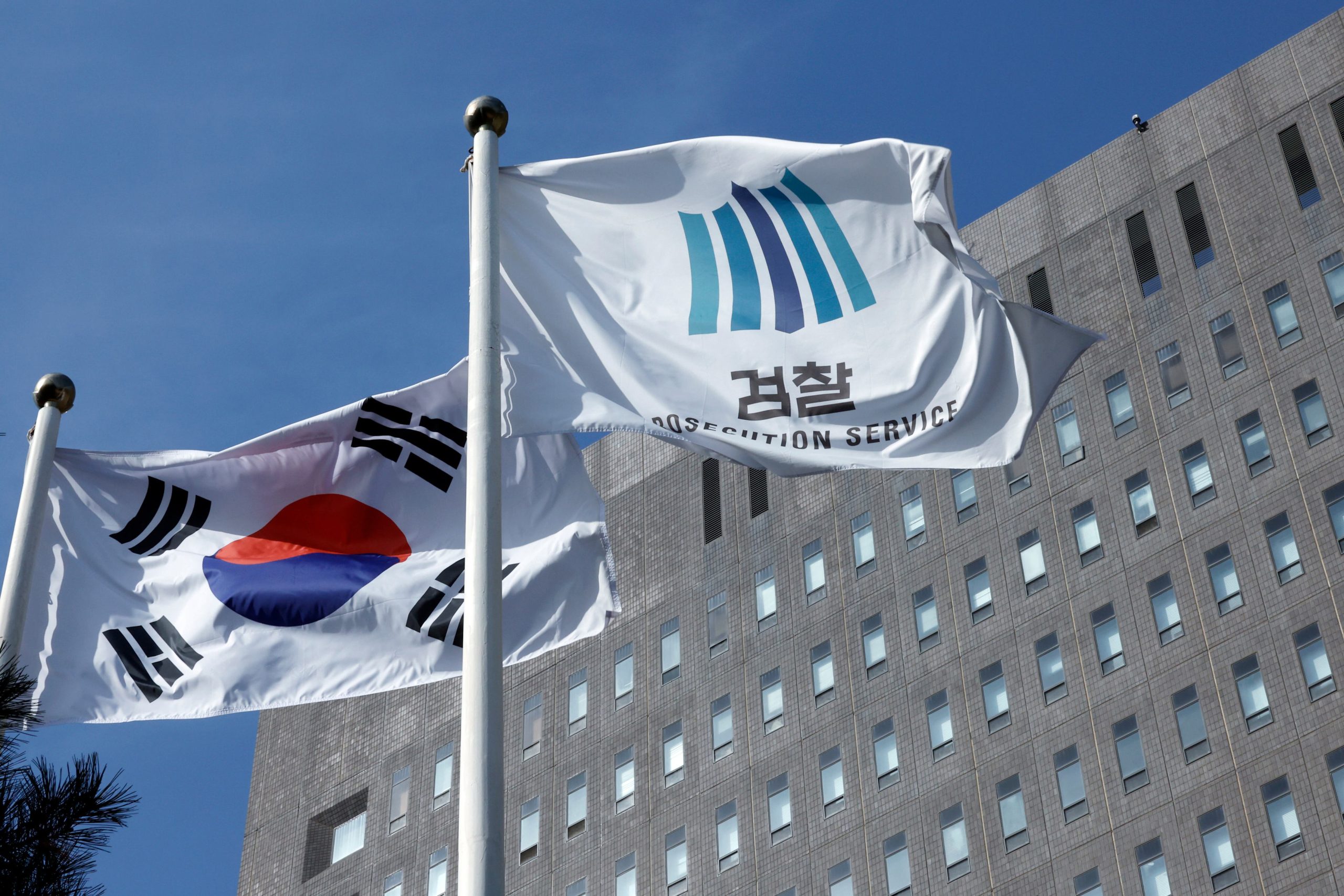
Growing Criticism Over Prosecution’s Decision in Daejang-dong Case
The recent decision by the Seoul Central District Prosecutors’ Office to abandon the appeal in the “Daejang-dong development corruption” case has sparked significant internal and external criticism. This move, allegedly influenced by higher authorities such as the Ministry of Justice and the Supreme Prosecutors’ Office, has led to a wave of discontent among prosecutors who were directly involved in the investigation and trial.
Acting Prosecutor General No Man-seok, along with other high-ranking officials, has come under scrutiny for their role in this decision. Prosecutors at various levels, both junior and senior, have publicly voiced their concerns on the 9th, highlighting the implications of abandoning the appeal.
Kim Young-seok, a prosecutor from the Supreme Prosecutors’ Office’s Inspection Division 1, shared his frustrations through a message titled “A Word from the Prosecutor Who Handled the Daejang-dong Investigation and Trial” on the internal prosecution network, e-Pros. He expressed his disappointment, stating, “When former Planning Headquarters Director Yoo Dong-gyu of Seongnam Urban Development Corporation asked, ‘Can you investigate the Daejang-dong case to the end?’ I replied, ‘No matter what happens, I will reveal the truth,’ but on the 8th, the prosecution, and the truth, died.”
Kim criticized the process behind the decision to abandon the appeal, questioning the criteria used by Acting Supreme Prosecutors’ Office Deputy Chief Prosecutor No Man-seok. He also raised concerns about the reversal of the appeal decision by Seoul Central District Prosecutors’ Office Chief Prosecutor Jeong Jin-woo, despite initial approval from the investigation and trial team.
He further emphasized the consequences of abandoning the appeal, noting that private developers could retain criminal proceeds worth hundreds of billions of Korean won. Additionally, the opportunity to receive a higher court’s judgment on key issues related to the Conflict of Interest Prevention Act violation was lost.
Kim referenced Jeong Jin-woo’s past remarks, recalling a statement made in December 2013 when he was a rookie prosecutor. Jeong had warned, “Wearing a hat bigger than your head blinds your eyes.” Kim questioned whether the current leadership was blinded by their positions, asking about the future aspirations of Ministry of Justice ministers and vice ministers.
Park Kyung-taek, head of the Seoul Central District Prosecutors’ Office’s Trial Division 5, also expressed regret over the decision. He explained the process of reporting the appeal documents to higher authorities and the subsequent instructions to abandon the appeal. Park criticized the lack of communication and explanation from the Supreme Prosecutors’ Office, emphasizing the need for respect towards the prosecutors who took responsibility for the practical work.
In a group chat room for operating the Supreme Prosecutors’ Office spokesperson’s office, where about 300 chief and deputy chief prosecutors had gathered, criticism poured out against Acting Prosecutor General No Man-seok and Seoul Central District Prosecutors’ Office Chief Prosecutor Jeong Jin-woo. One chief prosecutor questioned the influence of the Ministry of Justice on important cases and the potential resolution through the chief prosecutor’s resignation.
Other prosecutors argued that Ministry of Justice Minister Jung Sung-ho should clarify whether he merely expressed an opinion or issued a direct order. The overall sentiment among the prosecutors is one of frustration and concern over the integrity of the prosecution process and the potential impact on justice.