
Tesla Semi Gets a New Look and Technical Upgrades
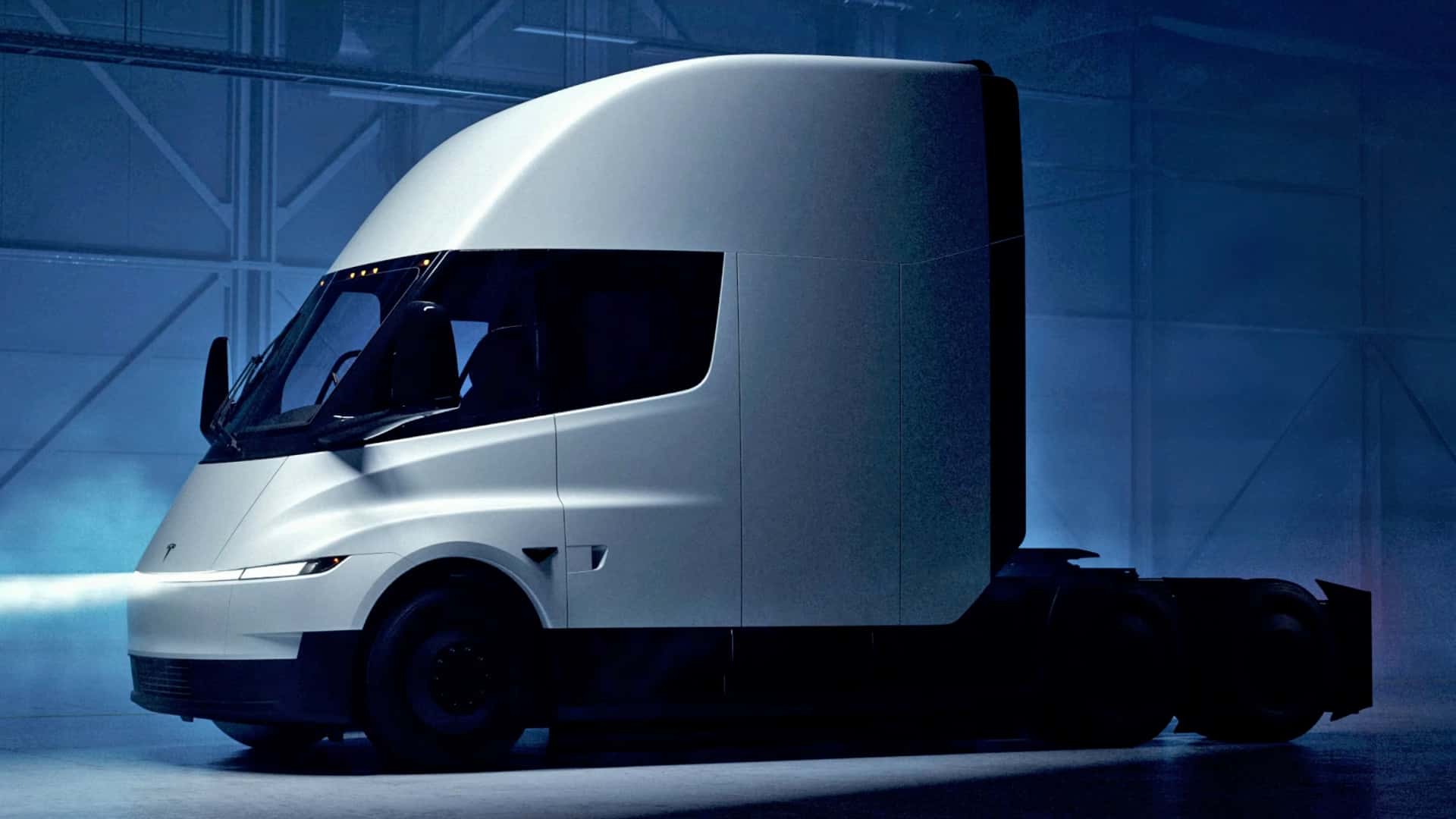
Tesla has confirmed that the Semi truck is still on track for production next year, with a redesigned exterior that aligns with the company’s latest vehicle designs. The updated model features a full-width light bar, a new bumper, and aerodynamic enhancements to give it a more modern and futuristic appearance.
The design changes are in line with the look of the revised Model Y, the Cybertruck, and the Cybercab. Tesla emphasized that the truck is now more efficient, capable of towing heavier loads, and “designed for autonomy.” This update marks the first major redesign of the Semi since its initial announcement in 2017, when the company planned to begin production in 2019.
Despite multiple delays, Tesla has remained committed to launching the Semi. During the recent annual shareholder meeting, Elon Musk reaffirmed the company’s plan to start volume production next year, signaling an end to what has been a slow and challenging rollout.
Design Changes Bring a Futuristic Touch
The revised Semi features a full-width light bar at the front, replacing the older headlight design that made the truck look outdated. While only one image is available, it shows a significant transformation that makes the truck resemble a futuristic movie prop. The front bumper has also been redesigned, featuring what appear to be aero channels—possibly for cooling the brakes. Additional cameras are positioned on pods behind the front wheels, enhancing the truck’s autonomous capabilities.
The lower part of the vehicle is obscured, leaving room for potential additional design changes, such as redesigned aero wheels. There may also be higher plastic cladding on the sides, as the space between the door handle and the black section appears smaller than in previous models.
Improved Efficiency and Autonomy Features
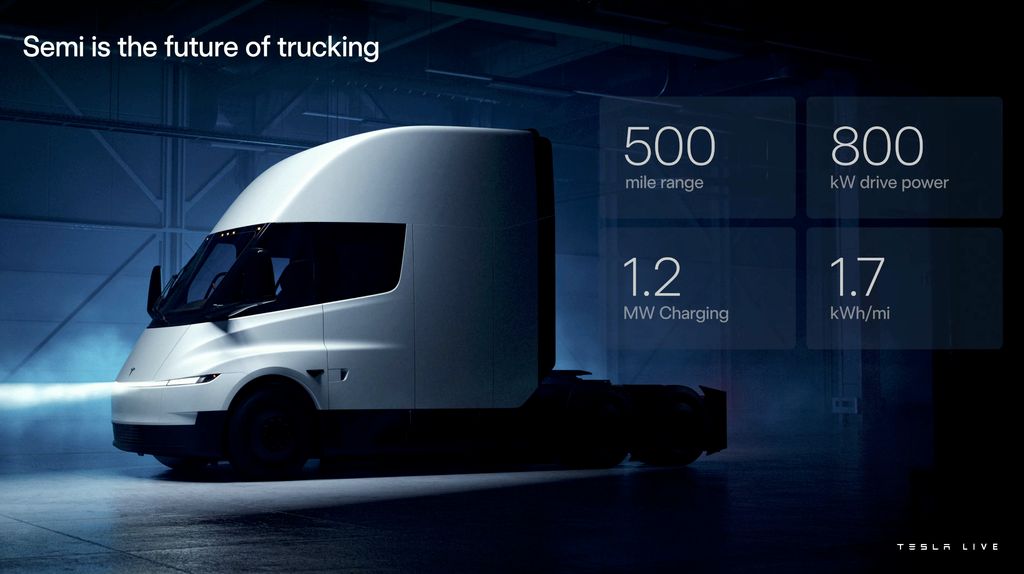
Tesla reported that efficiency and payload capacity have both improved as part of the update. The truck is now “designed for autonomy,” indicating a focus on self-driving technology. Despite these improvements, the peak charging power remains unchanged at 1.2 megawatts, allowing the truck to regain 70% of its range in a 30-minute charging session. It can travel up to 500 miles on a single charge, with an average efficiency of 1.7 miles per kWh. This is an improvement over the 1.55 miles per kWh achieved during a three-week trial period when the truck hauled freight for logistics company ArcBest.
Production Delays and Factory Readiness
Full-scale production of the Semi has not yet begun because the new Nevada factory where it will be built is not yet ready. Originally scheduled to become operational in late 2025, the timeline has been pushed to early next year. During the Q3 earnings call, Tesla stated that the factory was “nearing completion” but did not provide further details or a specific completion date.
Competition and Market Challenges
As Tesla continues to refine the Semi, other companies are entering the electric truck market. Mack Trucks is preparing to compete directly with the Tesla Semi, while Volvo recently sold its 5,000th electric truck. Additionally, Tesla Semis have been spotted in Europe, indicating potential expansion beyond the U.S. market.
Elon Musk still views the Tesla Semi as a global product, emphasizing its long-term vision for the vehicle. As production approaches, the updated design and technical improvements position the Semi as a strong contender in the evolving electric truck industry.