
The Beauty and Challenges of Bibury, the Most Beautiful Village in England
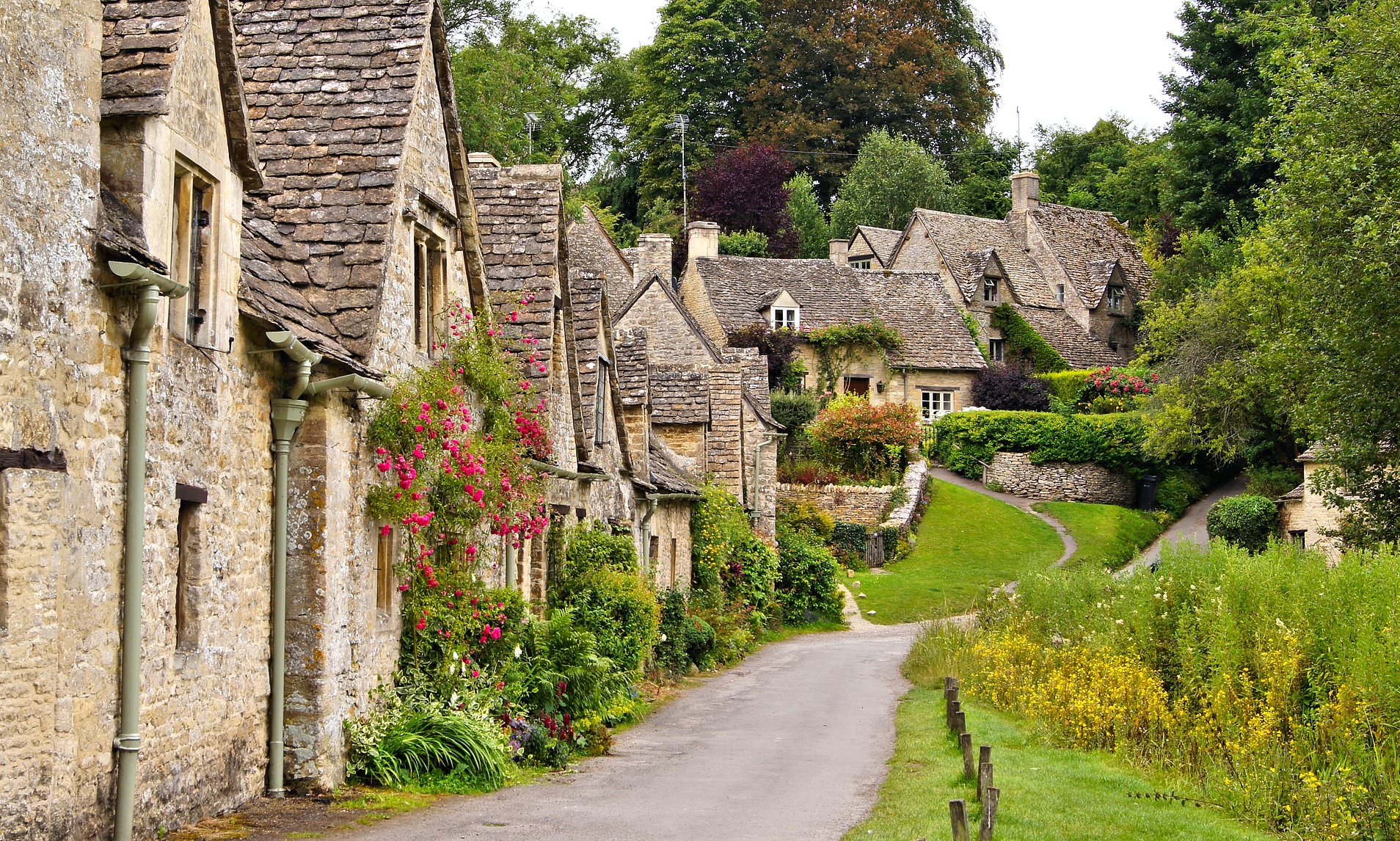
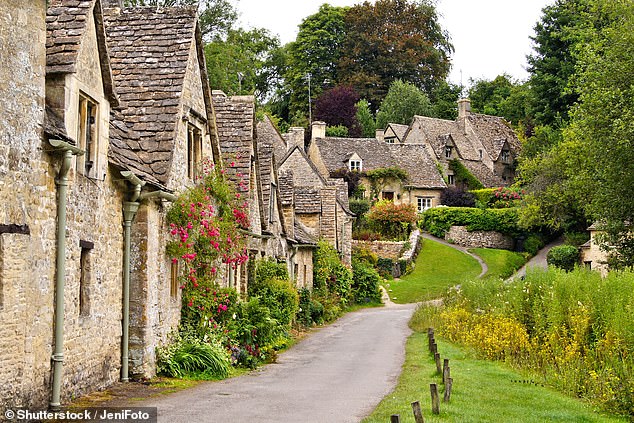
Described by poet William Morris as “the most beautiful village in England,” Bibury in Gloucestershire has become a symbol of quintessential British charm. This picturesque Cotswolds location has seen a dramatic increase in visitors in recent years, with its history stretching back to the Iron Age. In September, it was ranked first in a list of the 50 most beautiful villages in the world by Forbes Magazine.
Known for its 17th-century terrace of weavers’ cottages, which have served as a backdrop for films likeStardustandBridget Jones’s Diary, Bibury can attract up to 20,000 visitors on weekends—more than 30 times its usual population. However, this surge in tourism has brought challenges, including traffic congestion, parking disputes, and gridlocks. Locals describe the village as resembling the Wild West during peak times, with cars and coaches bringing thousands of people into the small community.
The rise in visitors is partly driven by social media influencers who promote these tiny villages as ideal day trip destinations from cities like London. As a result, the village has become a hotspot for tourists seeking a glimpse of English countryside beauty.
A Community Takes Action
In response to the growing concerns, Bibury villagers called for action and formed a working group that included councillors and the police. As a result, Gloucestershire County Council has announced plans to address the issue. Following a trial scheme implemented in May, which temporarily closed existing coach bays and created safer drop-off and pick-up points for coaches, the council is now planning to make these changes permanent.
The proposed measures aim to create a safer and more attractive public space for both the community and tourists. The council is also considering implementing a loading bay and disabled spaces at this location. Further steps include extending yellow line restrictions to prevent parking issues from spreading to other areas.
Public realm improvements, such as raised kerbing and seating areas, are also part of the plan. These changes could help pedestrianise parts of the village center and enhance its overall character. If approved, the measures could be implemented by early summer 2026. A survey will run from November 10 to December 3, allowing locals to share their views on the proposed changes.

Lessons from Bourton-on-the-Water
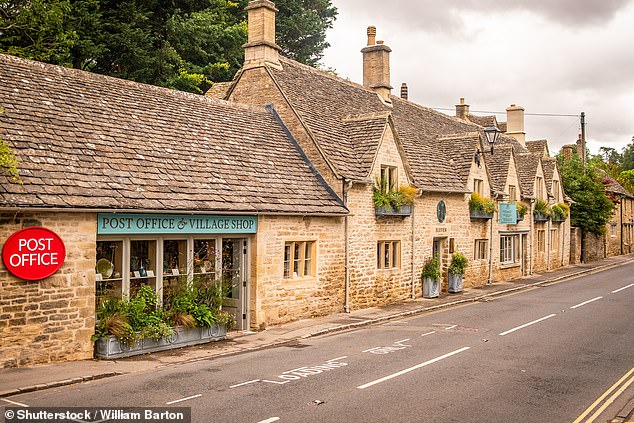
This issue is not unique to Bibury. Coaches have already been banned from entering the center of nearby Bourton-on-the-Water, known as the “Venice of the Cotswolds.” Similar problems have led to serious parking and congestion issues, prompting enraged locals to call for the ban. However, the move sparked a debate among residents, with fears that banning coaches could turn Bourton-on-the-Water into a “ghost town.”
Sarita Tapper, who runs a clothes shop in much-loved Bourton, warned that the ban could lead to local businesses folding. Sarita, 54, who has worked at Chestnuts Fashion Fix for 32 years, told theDaily Mail: “Could businesses fold? Definitely. If the coaches stop, our earnings would drop 50 per cent. You’d find the same with a lot of other local businesses.”
She added: “People coming on coaches, they save up, it’s a special day, they spend, they utilise the facilities. Whereas people coming by cars don’t necessarily spend.”
The Question of Balance
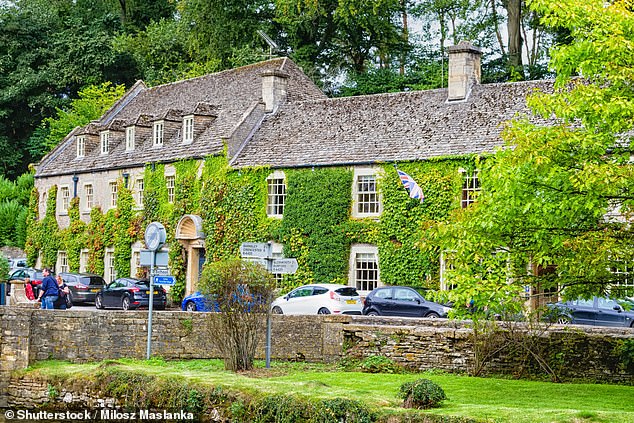
As the situation in Bibury continues to evolve, questions remain about the balance between preserving the village’s charm and managing the impact of tourism. Will restricting tourist coaches drive away visitors or enhance safety and the overall experience? Is Bibury’s beauty at risk due to an overwhelming influx of tourists and unruly coach traffic?
With up to 20,000 tourists visiting the village every weekend, the challenge is clear. Can TikTokers, tourist coaches, and Airbnb rentals destroy the serenity of this beloved English village? The decisions made by local authorities and the community will play a crucial role in shaping the future of Bibury and its neighbors.