
Greek Coast Guard Officials Face Trial Over 2023 Migrant Shipwreck
Four senior officials from the Greek coast guard, including its current chief, are set to stand trial for their alleged roles in the 2023 Adriana trawler disaster. The case has been reopened by a naval court of appeal after survivors and rights groups pushed for legal action. This development marks a significant shift in the ongoing investigation into one of the deadliest migrant shipwrecks in recent European history.
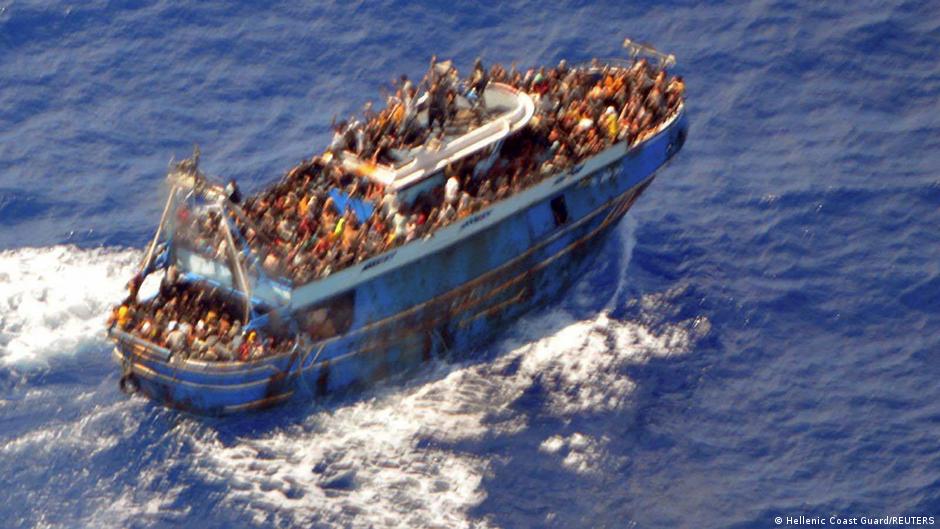
The incident occurred on June 13, 2023, when the rusted fishing vessel Adriana, carrying an estimated 750 migrants—nearly double its official capacity—was en route from Libya to Italy. The boat encountered distress just off the coast of Pylos, Greece. According to the Hellenic Coast Guard, those aboard refused assistance, leading to a delayed search and rescue operation after the vessel sank.
However, conflicting accounts from survivors suggest that the coast guard failed to respond promptly to visible signs of distress. Some claim that the coast guard’s actions, including the manner in which it towed the Adriana toward the shore, contributed to the vessel’s capsizing and sinking. The tragedy resulted in the loss of nearly 650 lives, with only 104 survivors and 82 bodies recovered.
Legal Proceedings and Survivor Claims
Survivors and families of the victims have long argued that the coast guard was negligent in its response. Rights groups representing these individuals confirmed that a prosecutor from the Piraeus naval appeal court has initiated criminal charges against the four officers, including the current chief of the coast guard, Trifonas Kontizas. This follows an earlier decision by a lower maritime court to clear the accused, which has now been overturned.
“The human cost of inaction” has become a central theme in discussions about the disaster. The United Nations described the event as a “stark reminder of the human cost of inaction,” highlighting the broader implications for migrant safety across the Mediterranean.
Background on the Adriana Incident
The Adriana was reportedly overloaded with migrants from various countries, including Egypt, Syria, Pakistan, and Palestine. Among those rescued were eight minors. The exact circumstances surrounding the shipwreck remain under investigation, with authorities examining whether failures in communication or response protocols played a role in the tragedy.
Initially, 17 coast guard members were charged with offenses such as failure to rescue individuals in distress, causing or contributing to a shipwreck, and exposing people to life-threatening situations. The case continues to draw international attention, particularly given the high number of casualties and the ongoing debate over responsibility.
The Central Mediterranean Migration Route
The Adriana incident is part of a larger pattern of perilous migration across the Central Mediterranean, which remains the world’s deadliest route for asylum seekers. The International Organization for Migration (IOM) reported over 1,000 deaths and disappearances along this route in 2025 alone. In 2024, at least 3,500 people were recorded as dead or missing in similar incidents.
This context underscores the urgency of addressing systemic issues in maritime rescue operations and migrant protection. As the legal proceedings against the Greek coast guard officials continue, the focus remains on accountability, transparency, and the need for improved safety measures for those risking their lives in search of a better future.