
Key Decisions from the Punjab Cabinet Meeting
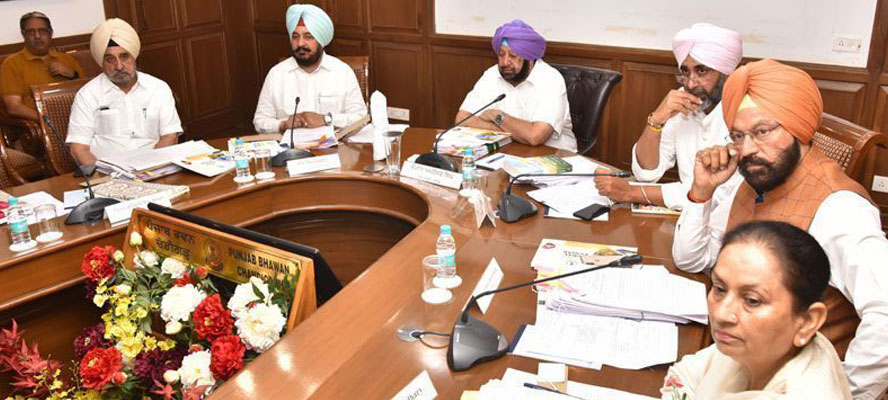
The Punjab Cabinet, in its 30th meeting chaired by Chief Minister Maryam Nawaz Sharif, made several significant decisions aimed at improving public welfare, economic growth, and infrastructure development. The meeting covered a wide range of topics, including transportation, agriculture, education, and healthcare.
Protection of Property Rights and Education Initiatives
One of the key decisions was the rejection of a proposed increase in electric bus fares, which was seen as a move to protect the interests of the general public. Additionally, the cabinet ratified the ban on the Tehreek-e-Labbaik Pakistan (TLP), reinforcing the government’s stance on maintaining social harmony and security.
To safeguard citizens’ property rights, the cabinet approved the Punjab Protection of Ownership of Immovable Property Ordinance 2025. This ordinance aligns with the Chief Minister’s vision that “one who possesses it, owns it.” Furthermore, the cabinet sanctioned the recruitment of School Teacher Interns in government schools to address teacher shortages and enhance the quality of education.
Agricultural Support and Infrastructure Development
The cabinet also approved the launch of the sugarcane crushing season by November 15. Under the Chief Minister’s High-Tech Farm Mechanization Finance Program, farmers will receive modern agricultural equipment, such as super seeders, at a 60 percent subsidy. Over 10,000 applications have already been received, and Rs 100 billion has been distributed to farmers under Kisan Card Phase-II.
In addition, the cabinet reviewed the supply and price control of DAP and urea fertilizers. Chief Minister Maryam Nawaz Sharif highlighted the need to revive the agriculture sector by focusing on farm mechanization and implementing farmer-friendly policies.
Transportation and Technology Initiatives
A major development was the approval of an MoU for the Lahore-Rawalpindi High-Speed Rail project and the establishment of Air Punjab (Pvt) Limited. The cabinet also approved a QR code system for retailers under the Prime Minister’s Cashless Strategy, aiming to promote digital transactions and reduce cash dependency.
Other notable initiatives include the ‘Mehrab Mahfouz Roshan Punjab’ initiative and an MoU for agricultural cooperation with Egypt. These efforts are expected to boost economic ties and support local farmers.
Institutional and Legal Frameworks
The meeting also focused on institutional reforms. The formation of a Board of Governors for the Punjab Center of Excellence for Countering Violence and Extremism was approved. Additionally, a summary for traffic fines and a points-based system to improve road discipline were endorsed.
Funds were allocated for the construction of a museum and memorial at National Bank Park, and the master plan for the restoration and upgradation of the Lahore Museum was also endorsed.
Educational and Healthcare Expansion
Other key approvals included the establishment of the University of Hafizabad and the formation of Mass Transit Authority in Gujranwala. The Gujranwala Mass Transit Project was exempted from the Central Development Working Party (CDWP).
The cabinet sanctioned the recruitment of interventional cardiologists, medical officers, technologists, and nurses for district cardiac cath-labs. Staff appointments were also approved in various departments, including the Punjab Services Tribunal, Punjab Financial Advisory Services, and Sahulat Bazar Authority.
Financial and Policy Reforms
The cabinet approved reallocation of funds for the Green Pakistan Program and delegation of powers under the Punjab Consumer Protection Act. Special judges were nominated in Anti-Corruption and Anti-Terrorism Courts in multiple districts.
Other significant approvals included the Punjab Water and Sanitation Authority Act 2024, Punjab Green Tractor Phase II subsidy, and amendments to the Punjab Private Housing Schemes Rules 2022.
Technological and Environmental Projects
Funds were approved for Smart Safe Cities Phase I and the Expansion of IPNV75 Sites. The Punjab Low Carbon and Adaptive Agriculture Project, in collaboration with the Asian Development Bank, was also given the green light.
The Punjab Education Sector Plan 2025-30, Punjab Tourism and Heritage Authority, and Punjab Autism School and Resource Centre (Amendment) Act 2025 were all approved, signaling a commitment to long-term development and social welfare.