
Legal Action Taken Over Unauthorized Sharing of Newspaper Articles
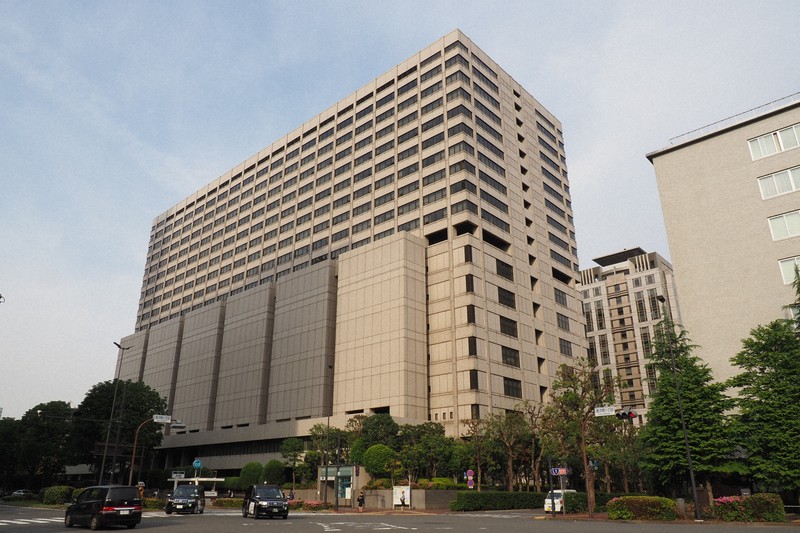
In a significant legal development, the Mainichi Newspapers Co. has taken action against the Gamagori Municipal Government in Aichi Prefecture. On November 6, the company filed a lawsuit seeking approximately 22 million yen (about $143,000) in damages for the unauthorized sharing of 980 articles via the city’s internal network.
The newspaper highlighted that these articles were accessible to numerous city employees for over a decade, which they described as a long-term infringement of copyright. According to the Copyright Act, reproducing or sharing copyrighted works without the author’s permission is prohibited. The city initially acknowledged the alleged infringement but later denied any illegality during subsequent discussions, leading the newspaper to file a suit with the Tokyo District Court.
Details of the Alleged Infringement
According to the complaint, the city began uploading PDF versions of newspaper articles to a shared folder on its internal network from at least 2012. This data was available on approximately 1,000 city-owned computers used at the city hall, fire stations, Gamagori City Hospital, and other locations. The unauthorized access to these articles continued for many years, raising serious concerns about the city’s compliance with copyright laws.
In July 2024, following an internal whistleblower report, Mayor Hisaaki Suzuki visited The Mainichi Newspapers’ Nagoya Head Office to apologize. The letter of apology included statements such as “our understanding and awareness of the Copyright Act was insufficient.” However, about three months later, the municipal government notified The Mainichi Newspapers through its attorney that no copyright infringement had occurred. It also refused to respond to inquiries regarding the number of shared articles.
Legal Arguments and Exemptions
The Copyright Act includes an exemption allowing reproduction and sharing of copyrighted works without permission if deemed necessary for administrative purposes. However, The Mainichi Newspapers argues in its complaint that this exclusion clause does not apply. They note that articles unrelated to Gamagori’s administrative duties were also shared. The amount claimed was calculated based on the company’s internal regulations regarding unauthorized use of articles.
This case is not isolated. Regarding unauthorized sharing of newspaper articles, two court rulings finalized in 2023 and 2024 ordered the Tokyo-based Metropolitan Intercity Railway Co., operator of the Tsukuba Express (TX), to pay a total of approximately 8.29 million yen (roughly $54,000) in damages for making articles from Nikkei Inc. and The Chunichi Shimbun accessible to all employees via an internal electronic bulletin board. In these lawsuits, the Intellectual Property High Court ruled that “newspaper articles have expressions that require careful crafting, and unauthorized sharing constitutes copyright infringement.”
Response from the Municipal Government
Regarding the latest lawsuit, the municipal government said, “We cannot comment as we have not received the complaint.” This statement has raised further questions about the city’s stance on the matter.
Statement from Mainichi Newspapers
A comment from the Public Relations Unit of Mainichi Newspapers’ President’s Office stated:
“For a newspaper company, articles are the most important content and valuable intellectual property. It is deeply regrettable that an administrative body that should be complying with laws and regulations has committed copyright infringement. We will clarify the city’s legal responsibility through litigation.”
Additional Lawsuit by Yomiuri Shimbun
On the same day, The Yomiuri Shimbun’s Tokyo, Osaka, and Seibu headquarters also filed a lawsuit against the Gamagori Municipal Government with the Tokyo District Court. The Yomiuri Shimbun is seeking approximately 61 million yen (roughly $397,000) in damages for the unauthorized sharing of 849 articles on the city’s internal network. The company claims that for about 12 years until at least 2024, more than 1,200 city employees had access to the shared articles. The claimed amount was calculated according to the company’s regulations.
This ongoing legal battle highlights the importance of respecting intellectual property rights, even within public institutions. As the cases progress, they may set important precedents for how local governments handle the use of copyrighted materials.