
Legal Consequences for Protesters Blocking Apartment Complex
Five individuals who blocked the entrance to a newly constructed apartment complex in Daegu have been fined for their actions. The incident, which took place in April of last year, involved residents protesting against a developer’s decision to offer discounted sales on unsold units.
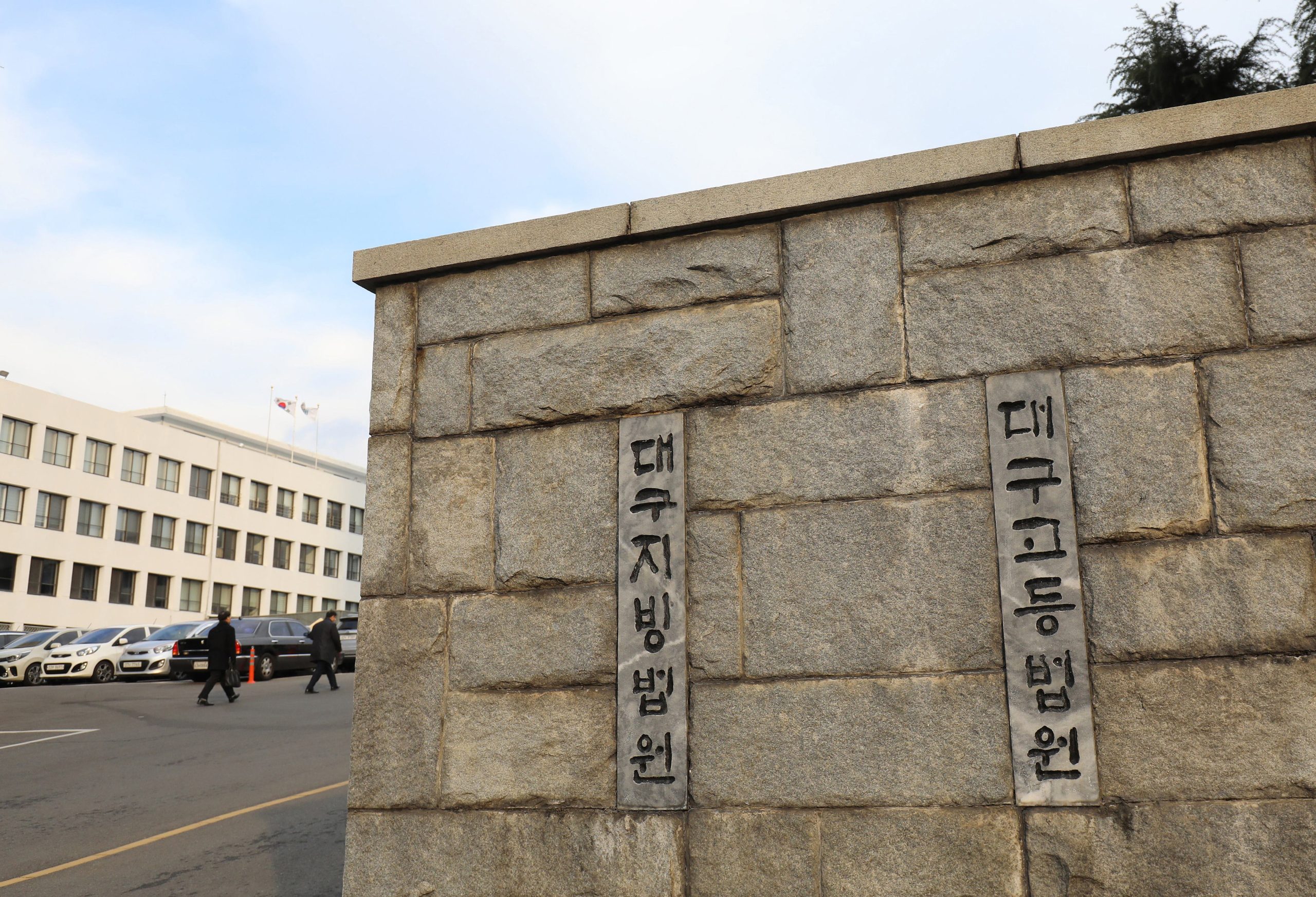
Judge Park Tae-an of Daegu District Court’s Criminal Division 3, Single Judge, announced on the 9th that he had sentenced A (60 years old) and four others to fines ranging from 2 million to 4 million Korean won each. The charges were related to obstruction of business.
The protesters, including Mr. A, were accused of blocking the parking gate at the entrance of the apartment complex in Suseong District, where they reside. Their actions prevented residents who had purchased units at a discount from entering the complex.
The court determined that Mr. A and the others engaged in this protest after the developer decided to discount unsold units, which was contrary to the special clause specified in the sales contract. As a result, residents who had contracted through the discounted sale were unable to receive their apartment keys from the move-in support center due to the blockade.
Judge Park emphasized that Mr. A and others obstructed the move-in of residents who held the same status as themselves without any legitimate authority. He noted that the court considered various factors, including the developer’s decision to discount apartments in violation of the special clause, which led Mr. A and others to commit the crime.
Key Details of the Case
- Date of Incident: April of last year
- Location: Suseong District, Daegu
- Individuals Involved: Five residents, including Mr. A
- Charges: Obstruction of business
- Fines Imposed: Ranging from 2 million to 4 million Korean won
Background of the Dispute
The dispute arose when the developer chose to offer discounts on unsold units, which many residents found unacceptable. According to the sales contract, there were specific clauses that outlined the terms of the sale. However, the developer’s decision to offer discounts was seen as a violation of these terms by some residents.
This led to tensions within the community, with some residents taking it upon themselves to block the entrance to the complex. Their intention was to draw attention to what they perceived as unfair practices by the developer. However, their actions resulted in legal consequences.
Impact on Residents
The blockade not only affected the developer but also impacted other residents who had purchased units at a discount. These individuals were unable to access their new homes, as the move-in support center was blocked. This created a significant disruption in the process of moving into the new apartments.
Judicial Perspective
Judge Park highlighted the importance of legal procedures and the need for residents to address grievances through appropriate channels rather than resorting to physical obstruction. He pointed out that while the developer’s actions may have been controversial, the protesters did not have the legal authority to block the entrance.
The court’s decision reflects the balance between individual rights and the need to maintain order and compliance with contractual agreements. It also underscores the importance of resolving disputes through legal means rather than direct confrontation.
Conclusion
The case serves as a reminder of the legal implications of protests and the necessity of following proper procedures when addressing concerns about business practices. While the intentions of the protesters may have been to protect their interests, their actions led to legal repercussions. This outcome highlights the importance of understanding and respecting the law, even in situations where there may be disagreements over business decisions.