
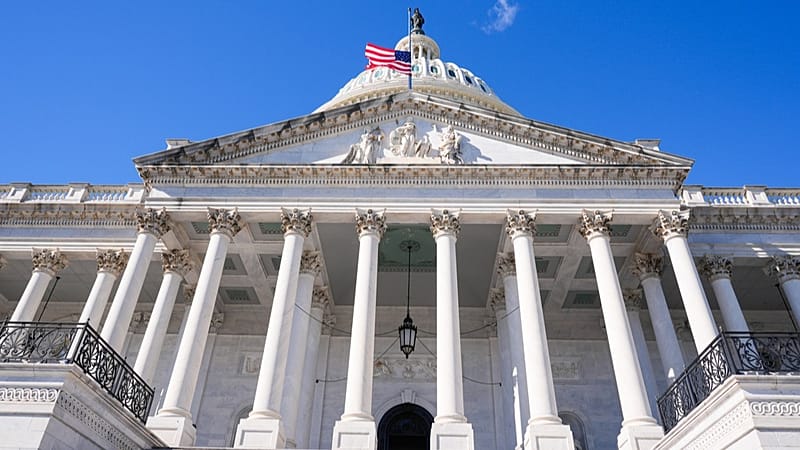
The Ongoing US Government Shutdown
The US government shutdown has now entered its 40th day, with no immediate resolution in sight. As senators remained in Washington for a grueling weekend session, the focus was on finding an end to the funding dispute that has disrupted flights nationwide, threatened food assistance for millions of citizens, and left federal workers without pay.
The Senate has shown little progress over the weekend, which could be pivotal in breaking the deadlock over health care funding. Republican leaders are hoping to hold votes on a new package of bills that would reopen the government into January while also approving full-year funding for several parts of the government. However, securing the necessary Democratic support for this effort remains uncertain.
“We’re only a handful of votes away” from passing a bill to reopen the government, said Senate Majority Leader John Thune on Saturday.
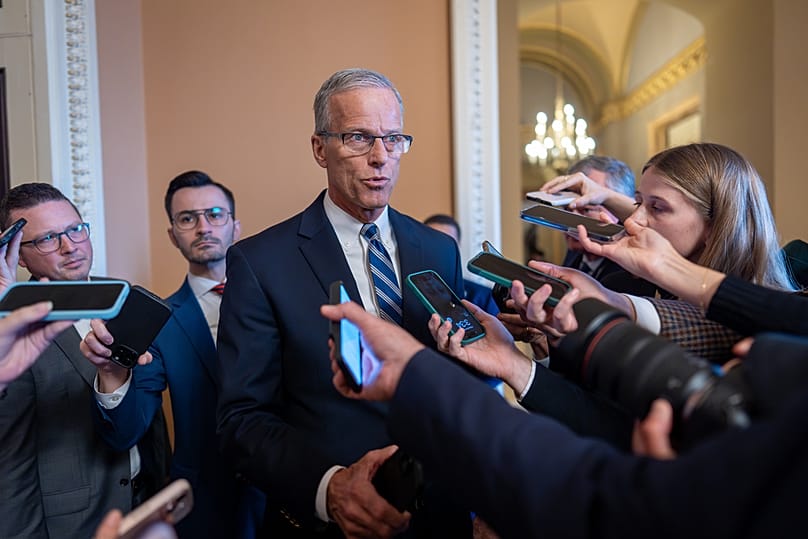
Despite this, Democratic leaders continue to push for an extension of subsidies for health plans offered under the Affordable Care Act marketplace. Republicans have rejected this offer but have signaled openness to an emerging proposal from a small group of moderate Democrats to end the shutdown in exchange for a later vote on the “Obamacare” subsidies, which make coverage more affordable.
For those enrolled in Affordable Care Act exchanges, premiums on average are expected to more than double next year if Congress allows the enhanced subsidies to lapse. Vermont Senator Bernie Sanders, an independent who caucuses with Democrats, emphasized that the pledge to hold a vote on extending the health care subsidies would be a “wasteful gesture” unless “you have the commitment of the speaker of the House that he will support it and that the president of the United States will sign it.”
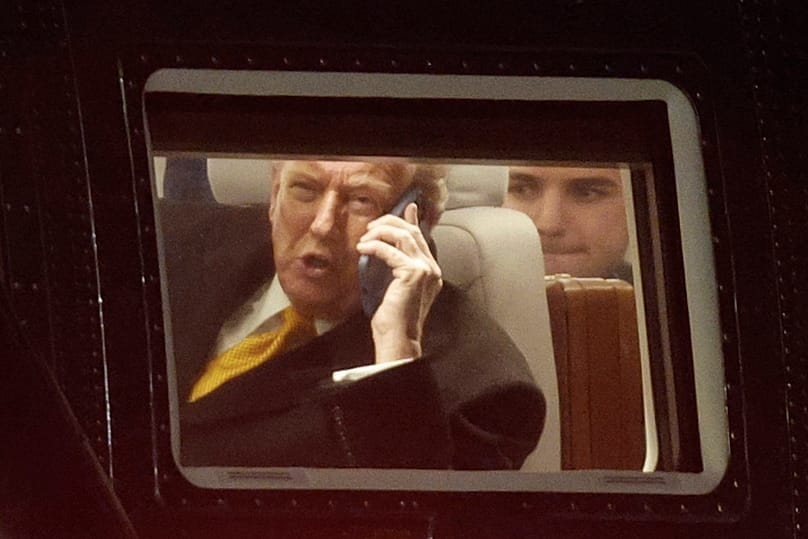
President Donald Trump has made it clear that he is unlikely to compromise any time soon. He pressed Republicans again over the weekend to get rid of the Senate’s filibuster rules, which prevent the upper chamber of Congress from advancing most legislation without the backing of at least 60 Senators.
Bipartisan Negotiations Continue
A small group of Democrat lawmakers, ranging from 10 to 12, were still negotiating among themselves and with Republicans to explore the possibility of bridging gaps and reopening the government. Republicans only need to flip five of their votes.
They’ve been discussing bills that would pay for parts of the government, including funding food aid and veterans programs, the legislative branch, and extend funding for everything else until December or January. The agreement would only come with the promise of a future health care vote, rather than a guarantee of extended subsidies, which is what Senate Democrats are seeking.
It was unclear whether enough Democrats would support such a plan. Even with a deal, Trump appears unlikely to support an extension of the health benefits. Republican House Speaker Mike Johnson also said this past week that he would not commit to a health vote.
Major Disruptions to Crucial Services
US airlines canceled more than 2,500 weekend flights by Saturday evening as the Federal Aviation Administration’s (FAA) mandate to reduce air traffic because of the shutdown showed no signs of easing. The slowdown at many of the nation’s busiest airports did not cause immediate widespread disruptions. But it deepened the impact felt by the nation’s longest ever federal shutdown.
Cancellations jumped on Saturday — typically a slow travel day — to more than 1,500, following just over 1,000 the previous day, according to flight tracking platforms. By the evening, US airlines had already canceled another 1,000-plus for Sunday.
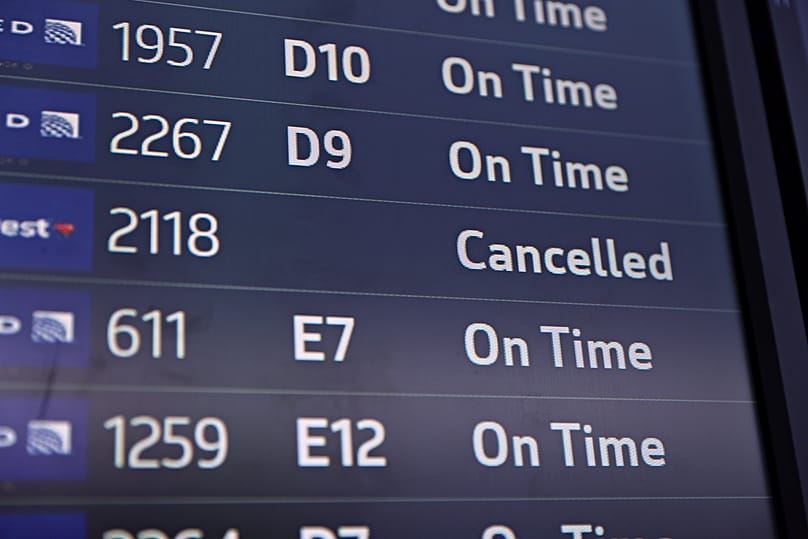
Airports in Atlanta and Chicago, as well as Charlotte, North Carolina, and New Jersey, saw numerous disruptions throughout the day. Ongoing staffing shortages in radar centers and control towers added to the cancellations and delays at several East Coast airports, including those around New York City, like Newark.
Not all the cancellations were due to the FAA order, and those numbers represented just a small portion of the overall flights nationwide. But they are certain to rise in the coming days if the shutdown continues. The FAA said the reductions impacting all commercial airlines started at 4% of flights at 40 targeted airports and will be bumped up again on Tuesday, likely hitting 10% by Friday.