
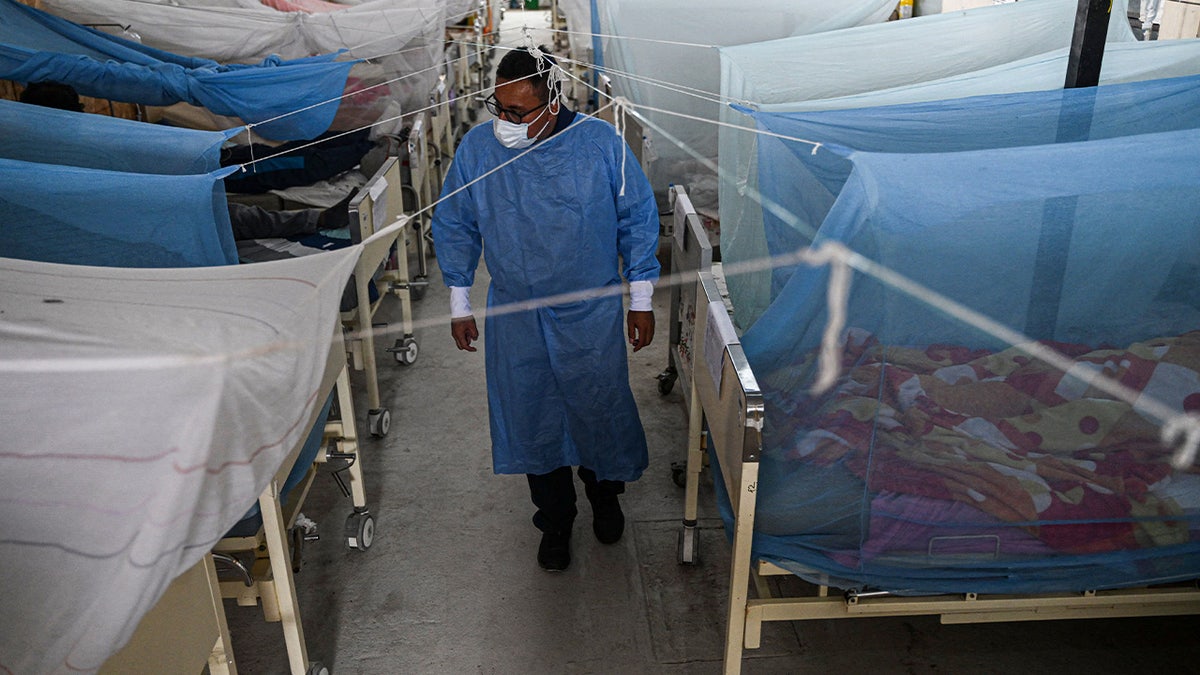
Rising Dengue Cases and Fatalities in Bangladesh
Dhaka, Nov. 11 – In the past 24 hours, three more deaths have been reported due to dengue fever, bringing the total number of fatalities from this mosquito-borne disease in Bangladesh to 318 this year. The situation remains concerning as the number of infections continues to rise.
During the same period, 912 patients were admitted to hospitals with symptoms of viral fever, increasing the total number of recorded cases to 80,634 for the year. These figures were released by the Directorate General of Health Services (DGHS), which is responsible for monitoring and reporting on public health issues across the country.
The DGHS provided a breakdown of new dengue cases reported in different regions:
- Barishal Division (Out of CC): 138
- Chattogram Division (Out of CC): 151
- Dhaka Division (Out of CC): 130
- Dhaka North City Corporation (DNCC): 194
- Dhaka South City Corporation (DSCC): 131
- Khulna Division (Out of CC): 72
- Rajshahi Division (Out of CC): 88
- Rangpur Division (Out of CC): 3
- Sylhet Division (Out of CC): 5
These numbers highlight the widespread nature of the outbreak, with several key urban areas experiencing significant increases in reported cases.
A Growing Public Health Crisis
The situation has become even more alarming as six more individuals have died from dengue in the last 24 hours, with 1,195 people hospitalized during the same time frame. This trend underscores the urgent need for improved public health measures, including better mosquito control, increased awareness, and enhanced medical support for those affected.
Last year, dengue was responsible for 575 deaths, marking a significant increase compared to previous years. However, the situation has worsened in 2023, when the disease claimed the lives of 1,705 people, making it the deadliest year on record for dengue in Bangladesh. The DGHS also reported 321,179 confirmed dengue cases and 318,749 recoveries in that year, showing both the scale of the outbreak and the efforts made to treat those infected.
Challenges and Response
Despite the efforts of health authorities, the rising number of cases and deaths indicates that the current strategies may not be sufficient to curb the spread of the disease. Factors such as climate change, urbanization, and inadequate sanitation contribute to the proliferation of mosquitoes, which are the primary carriers of dengue.
Public health officials have called for increased community involvement in mosquito control initiatives, including regular cleaning of stagnant water sources and the use of insect repellents. Additionally, there is a growing emphasis on early diagnosis and treatment to reduce the risk of severe complications and death.
As the situation continues to evolve, it remains critical for citizens to stay informed about dengue prevention measures and seek medical attention promptly if symptoms arise. With the right combination of education, resources, and action, it is possible to mitigate the impact of this deadly disease and protect vulnerable populations.